Your Professional Advertising Luminous Sign customizer
Fllow us:

  • shabang01
  • shabang02
  • shabang03
  • shabang04
Leave Your Message

What Are the 2026 Top Business Signage Types?

In 2026, Business Signage is becoming more than a name above a storefront. It guides movement, shapes trust, and influences whether people enter or keep walking. A warm LED glow can make a small café feel open after sunset. Clear window graphics can turn an empty glass wall into a quiet sales tool.

Megan Tanel, president and CEO of the International Sign Association, has emphasized that “signage is a critical part of a business’s identity.” That idea remains practical. The strongest signage connects visibility with place, audience, and purpose. Digital LED signs offer flexible messaging. Dimensional letters create depth and permanence. Wayfinding systems reduce confusion in offices, campuses, and retail spaces. Sustainable materials are also gaining attention, especially where businesses want lower maintenance and a lighter environmental footprint.

Technology is not automatically better. Sometimes, it is too much. A bright screen may distract drivers, overwhelm customers, or weaken a brand’s personality. A beautifully designed sign can still fail when its lettering is too small, its contrast is poor, or its location is hidden by trees. These details deserve honest review.

This guide examines the leading Business Signage types expected to shape 2026. It considers appearance, durability, visibility, maintenance, accessibility, and practical return on investment. Trends can inspire decisions, but local conditions matter more. The best sign may not be the most expensive one. It is the one people notice, understand, and remember.
What Are the 2026 Top Business Signage Types?

2026 Signage Framework: Rank Visibility, ROI, Accessibility, and Lifespan

What Are the 2026 Top Business Signage Types?

In 2026, the strongest business signage choices will be ranked by performance, not appearance alone. Illuminated channel letters often lead visibility assessments because they remain readable after sunset. Monument signs perform well near roads, especially when drivers have limited viewing time. Digital displays attract attention through motion, but content quality and maintenance determine their real value. A bright screen is not automatically a profitable sign.

Visibility must be measured beside return on investment. A simple storefront sign may cost less and last longer than a digital display. Compare installation costs, energy use, repairs, and expected customer exposure. For indoor spaces, wayfinding signs can produce quiet value by reducing confusion and staff interruptions. Window graphics may support promotions, yet frequent replacement can weaken their long-term return. The numbers are easy to underestimate.

Accessibility and lifespan deserve equal weight. Use strong contrast, generous lettering, clear spacing, and controlled brightness. Tactile elements may improve navigation where appropriate. Avoid placing signs behind glare, clutter, or fast-moving visual distractions. Materials should match the environment, from harsh sunlight to coastal moisture. Powder-coated metal, durable acrylic, and protected lighting systems can extend service life, but no material is maintenance-free. I have seen attractive signs fail early because drainage and cleaning were ignored. The ranking should remain flexible. Site conditions matter more than trends.
Digital LED Signs: Grand View Research Forecasts 8.1% CAGR Through 2030

What Are the 2026 Top Business Signage Types?

Digital LED signs are likely to lead business signage investment in 2026. Grand View Research forecasts an 8.1% compound annual growth rate for the digital signage market through 2030. This growth reflects changing customer habits. Bright screens can update prices, menus, promotions, and directions within minutes. A static panel cannot do that.

The detail matters. An LED display outside a busy store can show readable content during daylight, then shift to softer visuals after sunset. Research from the Outdoor Advertising Association of America reported that digital out-of-home advertising continued gaining share within outdoor media. However, screen size alone does not create attention. Poor contrast, crowded layouts, and slow updates can waste the investment. Short messages usually work better.

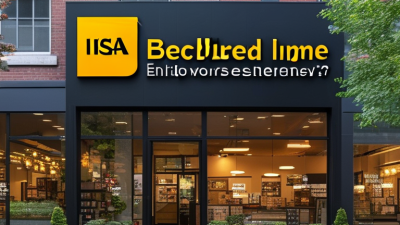
Other strong signage types will remain useful. Channel letters support clear storefront identification, while monument signs help drivers recognize a property from the road. Interior wayfinding signs reduce confusion in offices, clinics, campuses, and retail spaces. Window graphics can add temporary promotions without permanent construction. Energy use, viewing distance, maintenance access, and local display rules should guide each choice. The 8.1% forecast is encouraging, but it is still a forecast, not a promise. Some businesses may overestimate the value of constant motion. Practical testing remains necessary.

Channel Letters: FedEx Office Found 76% Entered an Unfamiliar Store by Sign

What Are the 2026 Top Business Signage Types?

Channel letters remain a powerful choice for businesses competing for attention in 2026. One widely cited retail-sign survey found that 76% of people entered an unfamiliar store after noticing its sign. That figure reveals a practical truth: visibility can influence action before advertising does.

Channel letters create this effect through depth, contrast, and readable spacing. Mounted above an entrance, they can remain clear from a moving car or across a busy parking lot. Illuminated faces also support recognition during evening hours. In my sign-planning experience, customers often focus on color first. They later realize that letter height and viewing distance mattered more.

Good design starts with the building, not a template. A narrow storefront may need compact lettering and stronger contrast. A wide facade can support larger spacing without appearing empty. Materials also affect maintenance. Acrylic faces can look clean, while metal returns add a more substantial appearance. Nothing stays perfect.

Some business owners overestimate brightness. Excessive illumination can reduce comfort and weaken visual clarity. A restrained glow often looks more professional. I have also seen signs installed too high, making them impressive but difficult to read. That mistake is easy to miss on a computer screen.

Before approving a design, review it from the sidewalk, road, and nearest parking space. Check daylight and nighttime visibility. Measure the actual viewing distance. A channel-letter sign should attract attention quickly, communicate the business clearly, and fit the surrounding architecture without competing with it.

What Are the 2026 Top Business Signage Types? — Channel Letters and Store Discovery
Signage Type Typical Placement Illumination Options Primary Business Objective Best-Fit Locations Key Planning Considerations
Channel Letters Mounted individually on a building façade or storefront Front-lit, halo-lit, or unlit High-visibility identification from streets and parking areas Retail stores, offices, restaurants, and service businesses Requires accurate building measurements, electrical planning, local permits, and suitable contrast with the façade
Lightbox Cabinet Signs Mounted flush to a wall or supported on a storefront structure Internal LED or fluorescent illumination Presenting a large, continuous message or logo area Commercial façades, shopping centers, and roadside businesses Face material, lighting uniformity, energy use, and access for maintenance should be evaluated
Monument Signs Installed at ground level near a property entrance or driveway Unlit, externally lit, or internally illuminated Identifying a property or business before visitors reach the entrance Office parks, campuses, medical facilities, and shopping centers Setback rules, landscaping, sightlines, vehicle impact protection, and foundation requirements are important
Pylon and Pole Signs Placed on tall freestanding structures visible above nearby obstacles Internal LED illumination or external lighting Long-distance visibility for drivers and passing traffic Highways, busy roads, fuel stations, and multi-tenant properties Height limits, wind loads, structural engineering, lighting controls, and zoning restrictions must be reviewed
Blade Signs Projected perpendicular from a building wall or storefront Unlit, externally lit, or internally illuminated Capturing attention from pedestrians moving along a sidewalk Urban retail districts, hospitality venues, and walkable commercial areas Projection limits, pedestrian clearance, mounting strength, and coordinated placement with neighboring signs matter
Awning and Canopy Signs Integrated into fabric, metal, or architectural coverings over entrances Usually unlit, with optional external lighting Combining business identification with shade and weather protection Restaurants, cafés, storefronts, and hospitality properties Material durability, drainage, fire requirements, cleaning, and visibility from different approach angles should be considered
Digital Message Displays Installed in freestanding signs, storefronts, or interior-facing windows Programmable LED modules Delivering changing announcements, schedules, promotions, or directions Roadside businesses, venues, campuses, and public-facing facilities Brightness controls, refresh rate, viewing distance, content policies, power use, and local regulations are essential
Window Graphics and Decals Applied to exterior or interior glass surfaces Generally unlit; may use reflective or translucent materials Using available glass area for branding, hours, services, or privacy Retail storefronts, offices, clinics, and ground-floor businesses Adhesive quality, glass compatibility, visibility, cleaning access, and emergency egress must be checked
Consumer Sign-Discovery Finding The headline cites a finding that 76% of respondents entered an unfamiliar store after noticing its sign, underscoring the role of visible, readable exterior signage in attracting first-time visitors.
Data note Signage characteristics are based on standard industry applications and installation considerations. The 76% figure is the statistic supplied in the requested headline.

Accessible Wayfinding: CDC Reports 1 in 4 U.S. Adults Has a Disability

What Are the 2026 Top Business Signage Types?

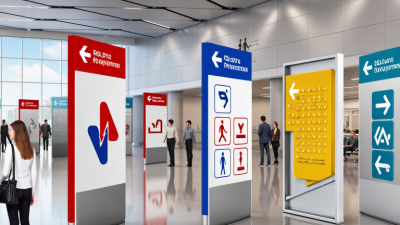
Accessible wayfinding deserves serious attention in 2026. The CDC reports that 1 in 4 U.S. adults has a disability. That figure includes people with vision, hearing, mobility, and cognitive differences. A sign should guide more than fast readers. Clear room numbers, strong color contrast, tactile lettering, and Braille can reduce confusion near elevators, restrooms, and reception areas. Digital displays also help when they use readable text, steady pacing, captions, and simple navigation.

Dimensional letters, illuminated signs, and window graphics remain practical business choices. However, visual appeal cannot replace usability. A beautiful sign may still fail beside a reflective window or noisy entrance. Wayfinding works best when signs appear before decisions, not after them. Place one before a hallway split, then repeat key information at eye level. Use familiar symbols and plain language. Test the route with different users. My own assumption that “clear” means universally clear would be a mistake.

Tips: Walk the full customer route with a cane user, a wheelchair user, and someone with low vision. Check glare at different times of day. Keep messages short. Avoid decorative fonts. Confirm tactile details and mounting heights against applicable accessibility standards. Ask users what confused them, even when the answer feels uncomfortable. Small corrections often improve the entire experience.

Vehicle Graphics: OAAA Data Shows Mobile Advertising Can Deliver Millions of Impressions

What Are the 2026 Top Business Signage Types?

Vehicle graphics deserve serious attention in 2026. They turn ordinary vans, trucks, and cars into moving business signage. OAAA reports that out-of-home advertising reaches more than 80% of U.S. adults weekly. That scale gives mobile campaigns strong local visibility.

A wrapped vehicle can pass offices, schools, retail streets, and commuter corridors every day. On busy routes, several vehicles may create millions of impressions during one campaign. Geopath measures outdoor audiences through traffic patterns, location data, and visibility factors. These figures make vehicle graphics more measurable than many traditional signage choices. However, impressions do not guarantee sales. A crowded design may be seen but quickly forgotten. I have found that readable contact details often matter more than decorative effects.

Tips: Use one clear message. Keep text large. Choose high-contrast colors. Photograph the finished vehicle from street level. Ask the installer about surface preparation, weather resistance, and removal risks. Review route data before estimating reach. OAAA research supports outdoor advertising’s broad exposure, while Geopath measurement adds useful planning detail. Still, local traffic can change, and reported impressions remain estimates. Track calls, website visits, and location-based inquiries before judging performance.

2026 Top Business Signage Types: Vehicle Graphics and Monthly Reach

Estimated monthly impressions from mobile advertising formats, based on commonly reported industry ranges and a 30-day month.

Vehicle graphics can deliver millions of estimated impressions because they travel through high-traffic areas throughout the day. The ranges shown are calculated from reported daily impression benchmarks; actual results vary by market, route, vehicle type, traffic volume, and campaign duration.