What is the Importance of Building Signs in Business?
In the competitive landscape of modern business, "Building Signs" play a pivotal role in creating a strong brand identity. According to leading signage expert, John Smith of Signage Solutions, "A well-designed building sign is the first impression a customer has of your business." This statement highlights the significance of visual communication in attracting foot traffic.
Building signs not only enhance visibility but also convey essential information about a brand. They guide customers and create a welcoming atmosphere. A beautifully crafted sign can spark curiosity and encourage potential clients to explore further. Yet, many businesses overlook the importance of this vital marketing tool.
It's not just about aesthetics; functionality matters too. Many companies invest in elaborate signs, yet they fail to consider placement and lighting. A sign that blends into the background may go unnoticed. Thus, understanding the balance between design and practicality is essential for effective branding. Building signs should tell a story about the business, inviting customers in while reflecting the company's values and services.

The Role of Building Signs in Brand Identity and Recognition
Building signs play a crucial role in shaping a business's brand identity and enhancing recognition. According to a survey by the Sign Research Foundation, nearly 76% of consumers enter a store they have never visited before, thanks to its signage. This statistic underscores the fact that effective signage can influence customer behavior. A well-designed sign not only grabs attention but also communicates what the business stands for. Clear branding leads to an immediate understanding of services offered, helping to establish a strong presence in a crowded market.
Consistency in design elements, such as color and font, is vital for creating brand recognition. Research shows that consistent brand presentation across all platforms can increase revenue by up to 23%. Building signs should resonate with the overall branding strategy to reinforce a business's message. However, many businesses fail to update their signage to align with rebranding efforts. This disconnect can confuse potential customers and dilute brand strength. Attention to signage detail can profoundly affect how a brand is perceived.
In terms of effectiveness, signage that utilizes both text and imagery tends to be more memorable. A report from the International Sign Association reveals that visual communication accounts for up to 90% of the information retained by consumers. Yet, it’s essential to balance both aesthetics and function. Some businesses overlook practicality when focusing solely on design. This can lead to signs that are beautiful but ineffective. Understanding this balance is crucial for robust brand identity.
Enhancing Visibility: How Building Signs Attract Customers
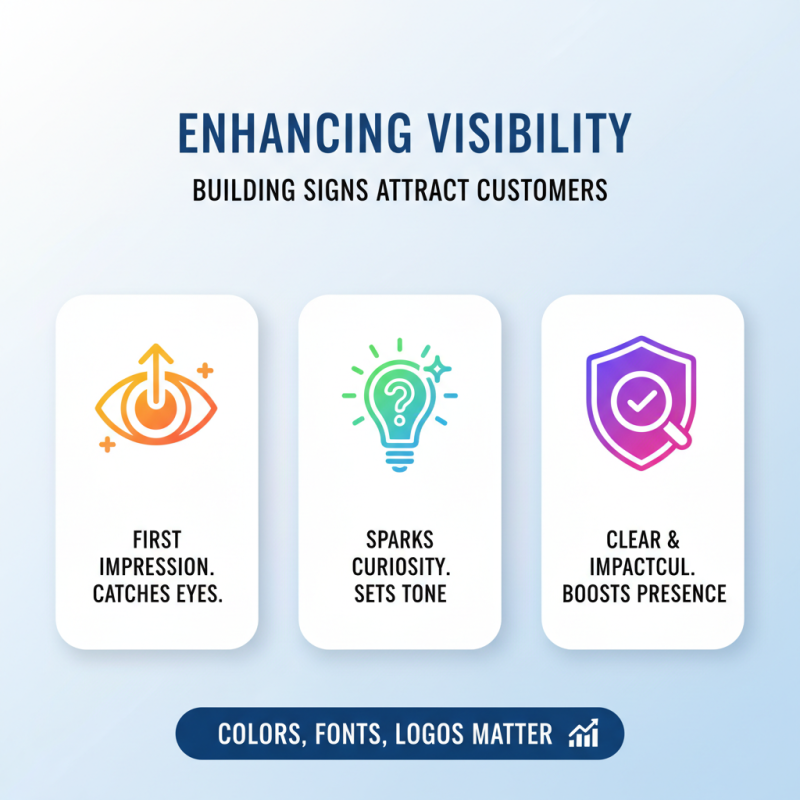
Building signs play a crucial role in attracting customers. They serve as a first impression of a business, setting the tone for potential clients. A well-designed sign can catch the eye of passersby, sparking curiosity. Colors, fonts, and logos matter. They need to be clear yet impactful. An attractive building sign can increase visibility significantly.
When a customer approaches a storefront, the sign often dictates their willingness to enter. Signs that reflect a business's identity help create a sense of trust. A poorly designed or cluttered sign may confuse potential clients. It can send the wrong message about the quality of goods or services offered. Businesses must rethink their signage strategically.
Visibility is not solely about size; it’s about clarity and appeal. Effective signs notify customers who you are before they walk in. However, many businesses overlook the need for maintenance. Faded or damaged signs may push away customers instead of inviting them. Regular reviews and updates can keep a brand fresh in the eyes of consumers. Creating the right sign is an ongoing process that demands reflection and adaptation.
The Psychological Impact of Signage on Consumer Behavior
Building signs play a crucial role in influencing consumer behavior. Research indicates that 76% of consumers enter a store they have never visited based on its signage. This illustrates a powerful connection between well-designed signs and customer attraction. Effective signage can create a welcoming atmosphere, making potential customers feel more at ease. A clear wayfinding system not only guides but also showcases the brand identity.
The psychological impact of signage extends to brand perception. According to a study by the Sign Research Foundation, 68% of the consumers believe that a store’s signage reflects its quality. This suggests that signage can establish trust, especially for new or unfamiliar brands. Well-placed signs can also evoke curiosity, tempting consumers to explore products they might not have considered otherwise. On the flip side, confusing or poorly designed signs can frustrate customers, leading to a negative perception that might deter repeat visits.
Such findings emphasize the importance of investing in high-quality signage. However, creating effective signage requires ongoing reflection and improvement. Not every design will resonate the same way. Experimentation with colors, fonts, and placements might be necessary to find what works best for a specific audience. Balancing clarity and creativity is essential, as is being willing to learn from customer feedback and adjust accordingly.
The Importance of Building Signs in Business
The chart illustrates the various impacts of building signs on consumer behavior, highlighting how effective signage can enhance brand recall, attract customers, influence purchase decisions, elevate perceived value, and foster customer loyalty.
Regulatory and Legal Considerations in Building Signage
Building signs serve essential purposes for businesses, but regulatory and legal considerations play a crucial role in their design and installation. Local authorities often impose strict regulations on size, placement, and lighting of commercial signage. Neglecting these rules can lead to costly fines. For instance, a business may need to obtain special permits before installation. This not only ensures compliance but also protects the business from future legal issues.
Legal restrictions vary by location and zoning laws. Some areas may limit signs in residential zones more than in commercial districts. Businesses should research their local regulations. Consulting with signage professionals can help ensure adherence. Understanding these legal frameworks is essential. It prevents potential headaches associated with unapproved signage. Businesses might need to adjust their designs or placements to meet these requirements.
In addition to complying with laws, a well-designed sign reinforces brand identity and enhances visibility. Businesses must balance creativity with compliance. Striking this balance can be challenging but is necessary for long-term success. Reflecting on all aspects of the signage process, from design to legality, can lead to better outcomes.
What is the Importance of Building Signs in Business? - Regulatory and Legal Considerations in Building Signage
| Dimension |
Value |
Regulatory Consideration |
| Visibility |
High |
Compliance with local visibility standards |
| Size |
Varies (Typically 6-10 ft height) |
Adherence to zoning regulations |
| Illumination |
Backlit or LED |
Meets energy regulations and light pollution standards |
| Material |
Aluminum, Wood, Acrylic |
Safety and fire regulations compliance |
| Maintenance |
Regular Cleaning & Repairs |
Maintaining safety and aesthetic standards |
| Location |
Front Facade or Side |
Zoning restrictions on signage placement |
Cost-Effectiveness of Strategic Signage in Business Marketing
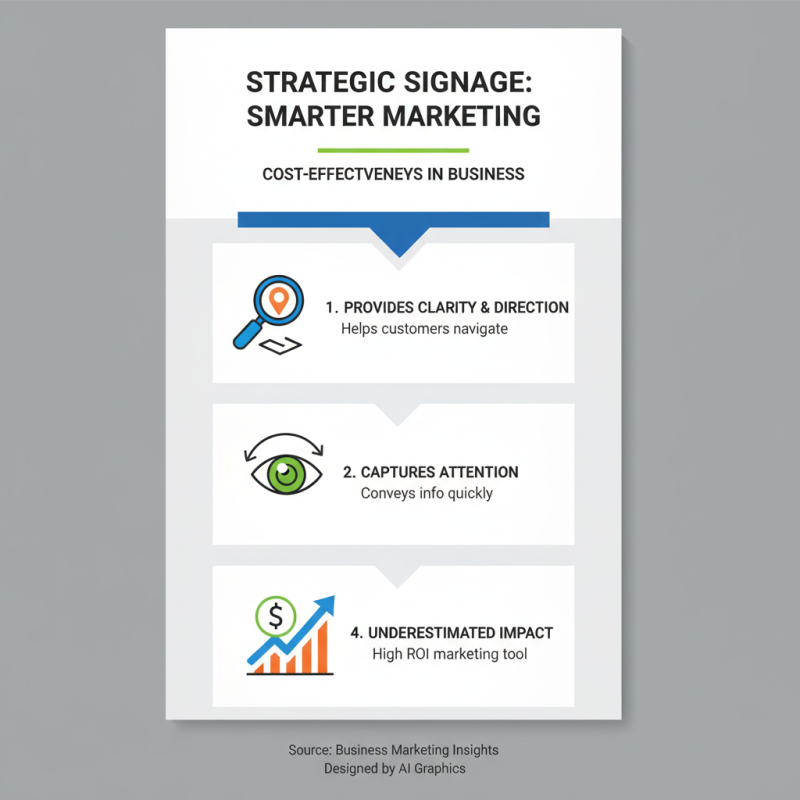
Strategic signage is a vital aspect of business marketing. It provides clarity and direction, helping customers find their way. Effective signage captures attention and conveys essential information quickly. Many businesses underestimate its impact. A well-placed sign can enhance visibility and attract foot traffic.
Cost-effectiveness is a key consideration. Investing in quality signage often yields significant returns. For instance, outdoor signs can serve as perpetual advertisements. They work tirelessly, even when the business is closed. The right sign can generate new customers without ongoing costs. Businesses with limited budgets should prioritize signage.
However, not all signs are created equal. Poor design or placement can lead to lost opportunities. It's essential to regularly assess the effectiveness of signage. Gathering feedback can provide insight into whether adjustments are necessary. Ultimately, organizations need to be strategic. Signage should align with branding and messaging for maximum impact.