Your Professional Advertising Luminous Sign customizer
Fllow us:

  • shabang01
  • shabang02
  • shabang03
  • shabang04
Leave Your Message

How to Choose the Best Custom Signs for Your Business?

Choosing the right Custom Signs can shape how customers notice, remember, and trust your business. A sign is not merely decoration. It acts as a silent salesperson outside your door, above a reception desk, or beside a busy road.

The numbers support that practical view. A 2012 FedEx Office survey, conducted by KRC Research, reported that 76% of consumers had entered a store because its sign caught their attention. The same survey found that 68% had made a purchase because of an in-store sign. These findings suggest that visibility influences action, although they should not be treated as a guarantee. Sign performance still depends on location, message clarity, lighting, and audience habits.

Professional guidance adds another useful perspective. The Sign Research Foundation’s research on on-premise signage connects effective signs with business visibility, customer recognition, and local economic activity. Materials also matter. A poorly sealed panel may fade under sunlight, while weak mounting hardware can create safety and maintenance concerns. Local building requirements should be checked before production.

The best choice is rarely the largest sign. Sometimes, less works better. A clean storefront sign with strong contrast may outperform a crowded design covered with tiny text. That judgment requires experience, measurement, and a willingness to revise assumptions.

This guide explains how to compare Custom Signs by purpose, placement, materials, readability, branding, durability, and budget. It also examines common mistakes, because even attractive signage can fail when customers cannot read it quickly.
How to Choose the Best Custom Signs for Your Business?

Define Your Business Sign Goals and Signage Requirements

How to Choose the Best Custom Signs for Your Business?

Define your business sign goals before choosing colors, materials, or lighting. Decide whether the sign should attract passing traffic, guide visitors, identify departments, or strengthen local recognition. Each purpose needs a different design. Make it measurable. A useful goal might be increasing storefront visits, reducing customer confusion, or improving after-dark visibility.

The 2012 Signs of the Times consumer survey reported that 76% of shoppers had entered an unfamiliar store because its sign attracted them. It also found that 68% believed a business’s sign reflected its product or service quality. These figures make visibility and credibility practical requirements, not decoration. Record viewing distance, traffic speed, mounting height, viewing angles, and nighttime conditions. A sign readable from ten feet may fail beside a busy road.

Your requirements should also cover dimensions, contrast, illumination, weather resistance, cleaning access, budget, and installation limits. Consider accessibility and local approval requirements early. Small lettering often looks elegant on screen but becomes frustrating outdoors. I have seen businesses overvalue appearance and undervalue maintenance. That choice can age badly. Test a full-size mock-up from the real customer viewpoint, then review it in daylight and darkness. Track inquiries, visits, or direction-related questions after installation. Data may expose an attractive idea that does not perform.

How to Choose the Best Custom Signs for Your Business? - Define Your Business Sign Goals and Signage Requirements

Use this planning table to match your business objectives with practical sign types, placement requirements, materials, and performance considerations.

Business Sign Goal Recommended Sign Type Typical Placement Suitable Materials Key Requirements Planning Priority
Increase roadside visibility Pole sign or monument sign Property entrance, parking area, or roadside frontage Aluminum, steel, brick veneer, stone veneer, or weather-resistant composite Large lettering, strong contrast, adequate viewing distance, wind-resistant construction, and local setback compliance High visibility
Create a professional storefront identity Dimensional letters or fascia sign Above the entrance or across the front façade Acrylic, aluminum, stainless steel, PVC, or painted wood for protected areas Readable typography, balanced proportions, secure mounting, and compatibility with the building façade Brand presentation
Attract attention after dark Illuminated channel letters or cabinet sign Storefront, building façade, or high-traffic entrance Aluminum faces, acrylic panels, polycarbonate, and sealed LED components Uniform illumination, weatherproof electrical components, service access, timer or photocell control, and electrical-code compliance Night visibility
Guide visitors around the property Directional and wayfinding signs Driveways, parking zones, entrances, reception areas, and corridors Aluminum, reflective vinyl, high-pressure laminate, acrylic, or PVC Simple wording, arrows, consistent symbols, logical sign placement, and visibility from the decision point Navigation clarity
Promote temporary offers or events A-frame sign, banner, window graphic, or changeable message board Sidewalk, window, entrance, reception desk, or event area Corrugated plastic, vinyl, fabric, aluminum, or magnetic media Easy message updates, portable construction, weather resistance where needed, and compliance with sidewalk regulations Flexibility
Improve interior customer experience Reception sign, wall lettering, departmental sign, or interior display Reception, waiting area, sales floor, service counter, or employee area Acrylic, PVC, aluminum, wood, foam board, or digitally printed graphics Appropriate scale for the room, glare control, cleanable surfaces, accessible mounting height, and cohesive visual style Customer comfort
Meet safety and regulatory needs Safety, warning, accessibility, and compliance signs Hazard areas, exits, accessible routes, restrooms, parking, and restricted zones Reflective aluminum, rigid plastic, photoluminescent material, or durable vinyl Correct symbols, legible contrast, required mounting height, tactile or braille elements where applicable, and applicable building-code compliance Compliance
Support long-term outdoor use Weather-resistant exterior sign system Any exposed exterior location Powder-coated aluminum, stainless steel, UV-resistant acrylic, high-performance vinyl, or treated composite UV resistance, corrosion protection, sealed edges, drainage, secure fasteners, maintenance access, and climate suitability Durability

Signage Requirement Checklist

Requirement What to Define Before Ordering Recommended Standard
Viewing distance Estimate the farthest point from which the sign must be read. Use short wording, clear letterforms, and sufficient letter height for the intended distance.
Operating environment Identify indoor, outdoor, coastal, high-wind, high-humidity, or high-traffic conditions. Select materials, coatings, fasteners, and electrical components rated for the location.
Illumination Decide whether the sign must be readable during evening or low-light hours. Specify LED illumination, brightness control, weatherproofing, and service access when required.
Available dimensions Confirm wall width, mounting height, clearance, sign area, and structural support. Keep the design proportional to the building and avoid blocking doors, windows, lighting, or required exits.
Local permissions Check zoning rules, landlord requirements, permits, electrical approvals, and accessibility obligations. Confirm all restrictions before production to prevent redesign, delays, or installation problems.
Maintenance plan Determine cleaning frequency, expected repairs, component replacement, and access requirements. Choose cleanable surfaces, replaceable components, corrosion-resistant hardware, and accessible service points.
Budget and lifecycle value Set the initial budget while considering installation, electricity, repairs, permits, and replacement costs. Compare total ownership cost rather than selecting solely by the lowest purchase price.

Compare Custom Sign Types for Different Business Settings

How to Choose the Best Custom Signs for Your Business?

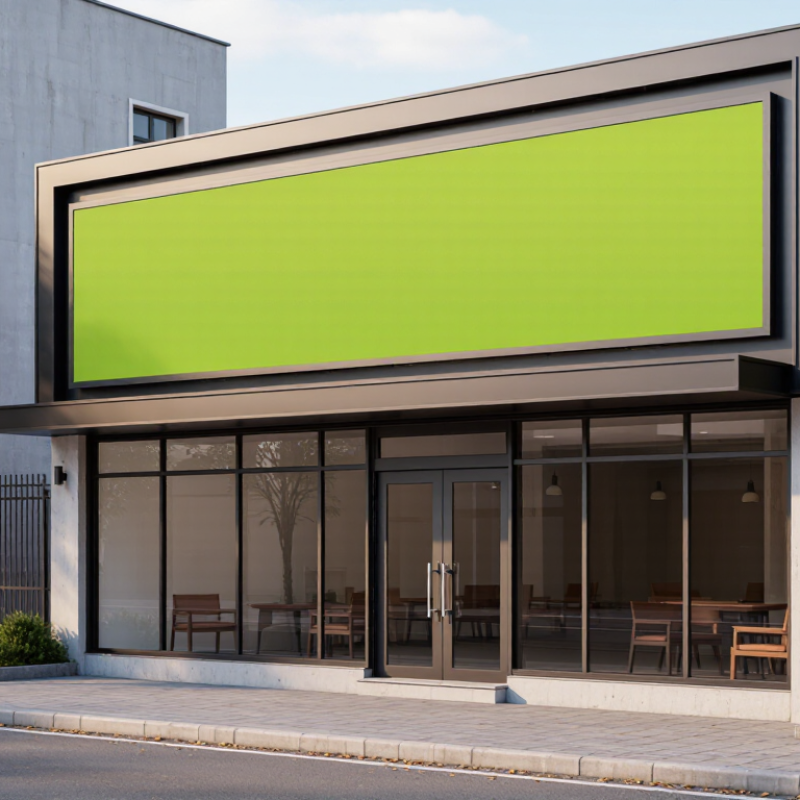
A storefront needs signs that attract attention before customers enter. Channel letters work well on building facades because they remain readable from the street. Illuminated options help during evening hours, but their brightness should suit nearby homes and traffic. A projecting blade sign extends over the sidewalk and helps pedestrians find a narrow entrance. It is useful for cafes, salons, and small shops. I once favored large lettering for every storefront. That was not always wise. Oversized signs can hide architectural details and make a welcoming space feel crowded.

Offices usually benefit from restrained reception signs, door plaques, and interior wayfinding panels. Brushed metal, acrylic, or painted wood can communicate different levels of formality. Retail spaces may need window graphics for promotions, privacy, or opening hours. They are flexible, but frequent replacements can leave adhesive marks and uneven glass. Temporary event signs should be lightweight and easy to transport. They should still stand firmly in changing weather.

Industrial sites need clear directional signs with strong contrast and durable finishes. Monument signs suit campuses, clinics, and business parks where visitors approach from a distance. Their bases require careful planning because poor placement can block sightlines or collect water. Material choice matters too. Aluminum resists moisture, while carved wood offers warmth but needs more maintenance. Before production, I check viewing distance, lighting, mounting surfaces, cleaning access, and local sign requirements. A beautiful sign can fail if visitors cannot read it quickly. Some design decisions still need testing on site, especially color contrast under real daylight.

Choose Materials, Colors, Fonts, and Graphics for Brand Consistency

How to Choose the Best Custom Signs for Your Business?

A strong custom sign should feel like your business before customers enter. Material sets that first impression. Brushed metal suggests precision, while stained wood feels warmer and more personal. Choose materials that survive local weather, cleaning, and daily contact.

A 2012 consumer signage survey reported that 76% of people had entered a business because of its sign. That makes durability a sales concern, not only a design choice.

Colors need strong contrast and consistent use. Research from the University of Loyola, Maryland, found that color can improve brand recognition by up to 80%. Use one primary color, one supporting shade, and enough empty space.

Fonts should remain readable from the street. Avoid thin lettering on reflective surfaces. Graphics should support recognition, not compete with the business name. A small icon may work better than a crowded illustration.

Tips:

View the sign from 30 feet away. Test it in daylight and after sunset. Check the smallest text twice. A design can look elegant on a screen but fail beside traffic.

I have seen teams overvalue decorative details and underfund installation. That choice often weakens the entire sign.

Review local visibility, mounting height, and cleaning needs before approving the final artwork. The Sign Research Foundation also emphasizes legibility, contrast, and viewing distance in effective sign planning.

Evaluate Size, Placement, Visibility, and Local Sign Regulations

How to Choose the Best Custom Signs for Your Business?

A strong custom sign should match your site, not only your logo. Start with viewing distance, traffic speed, and customer approach. A sidewalk sign may need large, high-contrast lettering. A roadside sign requires fewer words and stronger spacing. The Sign Research Foundation reports that 60% of businesses gained sales after improving on-premise signs, with an average increase of about 10%. That figure supports investment, but it does not guarantee results. Poor placement can waste even a well-designed sign.

Measure the sign from the customer’s real viewpoint. Check visibility behind parked cars, trees, delivery vehicles, and seasonal decorations. Place entrance signs near eye level, while projecting signs should face pedestrian flow. Test visibility during daylight, dusk, and rain. Local regulations may limit height, brightness, colors, mounting methods, or illuminated displays. Confirm zoning rules, landlord requirements, permits, and historic-district restrictions before production. Regulations vary by street. Assumptions can become expensive.

Tips: Photograph the proposed location from 50, 100, and 200 feet away. Ask someone unfamiliar with your business to read the sign quickly. Keep the message short. Use high contrast. Leave breathing room around letters. Review permit requirements in writing, because verbal guidance may be incomplete. A useful sign is not always the biggest one; sometimes a smaller sign performs better when its placement feels natural and uncluttered.

How to Choose the Best Custom Signs for Your Business

Sign size and placement should match the distance from which visitors need to read the message. A commonly used planning guideline is approximately 1 inch of letter height for every 10 feet of viewing distance.

Use larger lettering for vehicle-speed environments, obstructed locations, or messages that must be understood quickly. Before installation, verify local rules covering sign area, height, lighting, permits, setbacks, and accessibility.

Set a Budget and Select a Reliable Custom Sign Manufacturer

How to Choose the Best Custom Signs for Your Business?

A clear budget keeps your sign project practical and focused. In my experience, many businesses calculate only the sign price and forget installation, permits, lighting, and future repairs. Measure twice. Ask manufacturers for itemized estimates, including materials, design work, delivery, mounting, and maintenance. A low quote may look attractive, but thin materials or weak hardware can create higher costs later. Leave a small reserve for unexpected changes. My first estimate is rarely perfect.

A reliable custom sign manufacturer should explain the process clearly. Review their previous projects, material samples, production timeline, and installation methods. Ask how they handle color matching, weather exposure, electrical components, and warranty requests. Experienced professionals should provide realistic advice instead of promising everything immediately. Check whether they communicate consistently and document approvals before production. A manufacturer who asks about viewing distance and building conditions is usually thinking beyond appearance.

Tips: Compare at least three detailed quotes. Visit a completed sign when possible. Confirm who manages permits and site measurements. Request drawings with exact dimensions before approving production. Choose durable aluminum, acrylic, or other suitable materials for your local climate. Inspect edges, fasteners, and illumination details during installation. Small flaws matter. Also, keep your audience in mind. A beautiful sign that cannot be read from the road has missed its purpose.