How to Choose the Best Light Signs for Your Business Needs?
When choosing light signs for your business, expert Marion Clarke emphasizes, "The right signage can make or break your visibility." Light signs play a vital role in attracting customers. They are an essential tool for brand promotion. With various types and designs available, the decision can be overwhelming.
Understanding your business needs is crucial. Consider your target audience. Think about your brand identity. Different styles of light signs can convey different messages. For instance, neon signs offer a retro feel while LED signs are modern and energy-efficient. Each choice impacts not only visibility but also customer perception.
Moreover, installation and maintenance must be factored in. Some light signs require more upkeep than others. Reliability shouldn’t be underestimated. A flickering sign can tarnish a brand's image. Reflect on these aspects carefully. The perfect light sign should resonate with your business essence while being practical.
Understanding Different Types of Light Signs and Their Applications
When selecting light signs for your business, it's crucial to understand the various types available.
LED signs are popular for their energy efficiency and longevity. According to a report by the International Sign Association, businesses can save up to 80% on energy costs by switching to LED options.
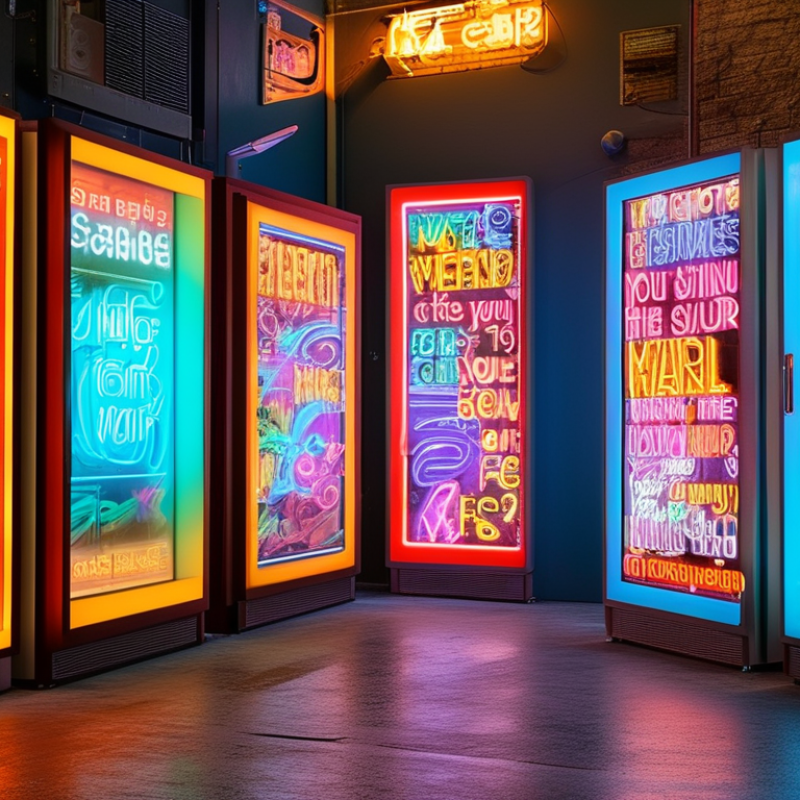
Neon signs, with their vibrant colors, capture attention effectively but require more maintenance. They might need periodic gas refills and can break easily.
Digital displays provide flexibility in messaging. They allow businesses to change content easily and target specific promotions. A study from Nielsen found that dynamic content increases customer engagement by 62%. However, these displays come with higher initial costs and can require technical knowledge for updates.
Tip: Assess your location’s visibility and lighting conditions. A sign that shines brightly during the day may not be effective after dark.
Tip: Consider the durability of materials in your climate. Signs made from weather-resistant materials can reduce replacement costs significantly.
Understanding these features ensures your investment aligns with your business goals. Assess your message needs frequently, and remain open to new technologies.
Evaluating Key Factors in Selecting Light Signs for Various Business Types
When selecting light signs for your business, several key factors come into play. One essential consideration is visibility. Ensure your signs are brightly lit and legible from a distance. This attracts potential customers and communicates your message effectively. For instance, using bold fonts can enhance readability. Colors also matter. Bright and contrasting colors draw attention better than muted tones.
Types of businesses dictate the style of light signs. Restaurants might opt for vibrant neon signs to express fun and ambiance. In contrast, corporate offices may prefer sleek LED signs, showcasing professionalism. Each business type has unique needs; for example, retail stores might benefit from dynamic displays that change messages. Reflect on what aligns best with your brand identity.
Don't overlook the placement of your light signs. Consider foot traffic patterns and sightlines. Signs placed too high might go unnoticed. Test different locations and heights to see what performs best. Remember, the goal is to enhance customer experience, not overwhelm them with excess signage. Balancing visibility with elegance can create a welcoming atmosphere.
How to Choose the Best Light Signs for Your Business Needs?
| Business Type |
Recommended Light Sign Type |
Key Features |
Ideal Location |
| Retail Stores |
LED Neon Signs |
Bright, eye-catching colors; energy-efficient |
Storefront windows and entryways |
| Restaurants |
Illuminated Menu Boards |
Clear visibility, customizable content |
Entrance and interior |
| Hotels |
Backlit Signs |
Elegant design; enhances ambiance |
Lobby and exterior |
| Event Venues |
Digital LED Displays |
Dynamic content; high visibility |
Outdoor and entry zones |
| Service Stations |
Neon Open Signs |
Instant recognition; traditional look |
Windows and forecourts |
Analyzing Cost-Effectiveness and Longevity of Different Light Sign Options
When selecting light signs, cost-effectiveness and longevity are crucial considerations.
LED signs often have a higher initial cost, but they typically last longer than traditional neon signs. While neon signs can be visually striking, they may require replacement more frequently. This can lead to increased long-term expenses.
Analyzing energy consumption is also important. LED signs consume less energy, which can significantly reduce utility bills over time.
Durability matters in sign selection. Inclement weather can damage some light signs.
Options that are weatherproof can save money in the long run. Maintenance is another factor. Some signs need regular upkeep, while others may not.
Understanding these needs helps to gauge costs more accurately. Decision-making may involve trade-offs.
A visually appealing sign may not always be the most economical choice.
Finally, research is essential.
Consider talking to experts who have experience with various types of light signs. Their insights can help inform your choice.
Gathering information from diverse sources builds your understanding. Experience in the field can provide valuable guidance on what signs perform best in different environments.
The right decision balances aesthetics, cost, and durability for your business needs.
Exploring Regulatory and Compliance Issues for Light Sign Usage
When selecting light signs for your business, regulatory and compliance issues come into play. Local laws can dictate size, brightness, and placement. For example, the International Sign Association (ISA) notes that nearly 70% of local municipalities have specific codes regarding signage. Understanding these codes ensures compliance and avoids costly fines.
Navigating these regulations can be challenging. Some cities may restrict illumination levels to minimize light pollution. A 2022 report from the Visual Communications Association indicated that businesses reported a 20% increase in foot traffic when compliant signage was used. Compliance not only enhances visibility but also fosters community goodwill.
Tips for compliance:
- Research local sign codes thoroughly.
- Consult with signage experts who understand local regulations.
- Consider energy-efficient options, as these often meet compliance standards more easily and appeal to environmentally conscious customers.
Failing to consider these aspects can lead to delays or additional costs. Not every business is aware of these regulations upfront, which may lead to reactive compliance measures. Be proactive to avoid complications down the line.
Light Signs Regulatory Compliance Analysis
Assessing the Impact of Light Signs on Consumer Behavior and Traffic Analytics
Light signs significantly influence consumer behavior. A study by the Sign Research Foundation revealed that nearly 68% of consumers believe that signage affects their buying decisions. Vibrant, well-placed light signs catch attention and guide customers into stores. These signs act as silent salespeople, drawing traffic and impacting revenue.
Traffic analytics provide insights into this phenomenon. Monitoring foot traffic near light signs can reveal data on customer engagement. Research indicates that businesses with illuminated signs experience 30% more foot traffic compared to those without. In urban areas, this number might be higher. However, not all locations benefit equally. Placement and visibility are crucial. A poorly positioned sign could lead to wasted investment. Evaluating performance metrics helps in understanding which signs yield the best results.
While the benefits are clear, challenges exist. Changing light bulbs and maintaining signage can be resource-intensive. Environmental concerns are also rising, as energy-efficient options gain popularity. Regularly assessing consumer reactions ensures light signs remain effective. Balancing creativity with functionality is vital. Crafting a unique visual identity is important, yet ensuring it resonates with your audience is key. This requires ongoing analysis and willingness to adapt.