How to Choose Customizable Led Signage for Your Business Needs?
In today’s competitive marketplace, selecting the right signage is crucial for brand visibility. Customizable LED signage stands out as an innovative solution that adapts to various business needs. According to a report by the Outdoor Advertising Association of America, digital signs attract 47.7% of consumers and enhance brand recall significantly. This highlights the growing trend towards dynamic messaging.
Businesses often underestimate the impact of visual identity. The right signage not only captures attention but also communicates brand values effectively. A study from Sign Research Foundation indicates that 76% of consumers enter a store based on its signs alone. This underlines the necessity for well-designed, customizable LED signage tailored to specific goals.
However, the decision-making process can be challenging. Factors like design, size, and cost must all align with business objectives. Many brands overlook the need for flexibility in messaging, which is vital in a fast-paced environment. Reflect on your current signage strategy—does it truly meet your vision? Embracing customizable LED signage could be the turning point for your business growth.
Understanding the Importance of Customizable LED Signage in Branding
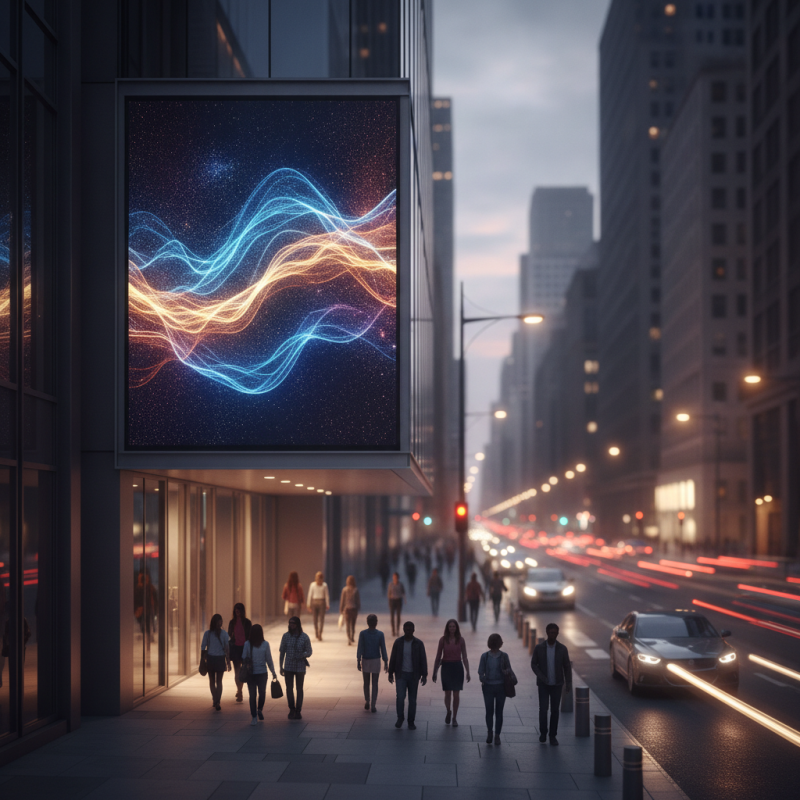
Customizable LED signage plays a crucial role in branding. It provides a unique identity for your business. Bright colors and eye-catching designs attract customers. This visibility helps in standing out from competitors. Businesses can tailor messages for promotions or events, reinforcing their brand message. An LED sign can convey dynamic content. This adaptability is key in today’s fast-paced market.
Tips: Keep your design simple. Too much text can confuse viewers. Use contrasting colors for readability. Make sure your signage reflects your brand’s personality. Incorporate your logo. This adds consistency across your marketing materials. Be mindful of your target audience. Understand their preferences and adjust your message accordingly.
Reflect on your signage's location. Is it easily visible? Test it at different times of the day. Adjust brightness for optimal visibility. Poor lighting can undermine your efforts. Customizable LED signage should resonate with customers. Regularly update content to keep it fresh. A stagnant sign can signal neglect. Consistency and maintenance are vital for effective branding.
Impact of Customizable LED Signage on Business Branding
Key Considerations for Selecting the Right LED Signage Size and Design
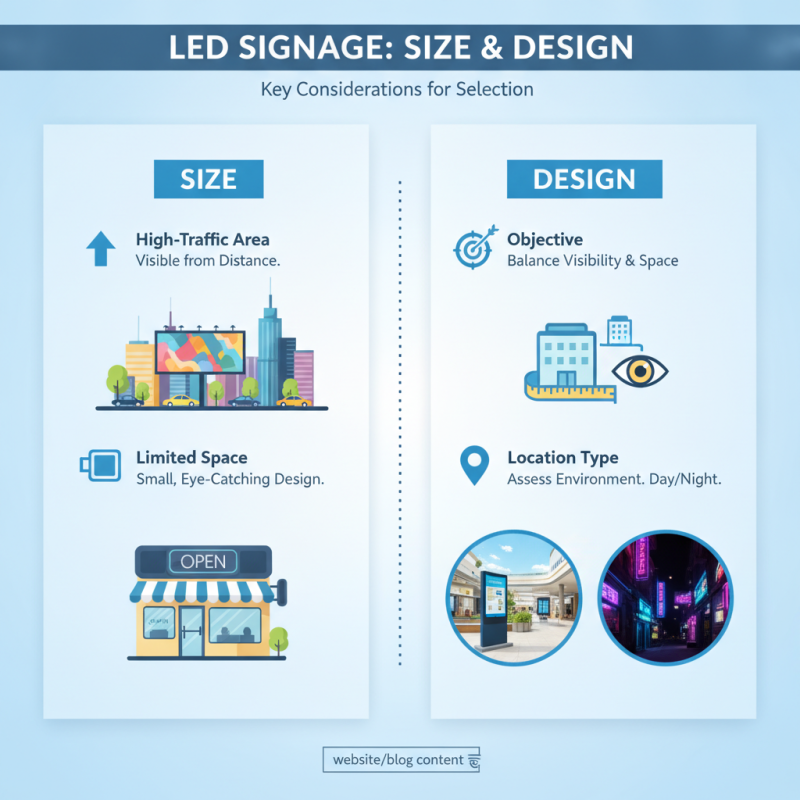
When selecting LED signage, size and design play crucial roles. Start by assessing your business location. For a high-traffic area, larger signs capture attention easily. They should be visible from a distance. However, if space is limited, consider creating a small yet eye-catching design. The key is balancing visibility and available real estate.
Design elements matter, too. Choose colors that reflect your brand’s identity. Bright hues draw attention, while softer shades convey calmness. Remember to think about font style. A readable font is essential. Avoid overly decorative fonts that may confuse customers. Simplicity often triumphs in effective signage.
Reflect on your target audience as well. What appeals to them? Gather feedback on design drafts to ensure the message resonates. While you may have strong opinions, an outsider's perspective can uncover blind spots. Anticipate how your signage will perform over time. Will it remain relevant? An adaptable design can evolve with your business needs, ensuring longevity.
Evaluating LED Signage Display Technologies: Pixel Pitch and Brightness
When evaluating LED signage display technologies, several factors come into play, especially pixel pitch and brightness.
Pixel pitch is the distance between the centers of two adjacent pixels. The smaller the pitch, the higher the resolution. Many experts recommend a pixel pitch of 10mm or less for optimal clarity in urban settings. Reports indicate that displays with a pixel pitch of 2.5mm offer superior image quality, capturing the attention of passersby effectively. Yet, deciding on the right pixel pitch can be challenging, as budget constraints often limit options.
Brightness is another crucial consideration. LED displays typically range from 300 to 7,000 nits. High brightness ensures visibility during daylight hours, a key factor for outdoor signage. For instance, a brightness level of 1,500 nits is standard for outdoor screens, while indoor screens may require only 500 nits. However, excess brightness can lead to glare, creating visual discomfort. Striking the right balance is essential for appealing signage that communicates effectively without overwhelming the audience.
Understanding these aspects can enhance the decision-making process. Customizing LED signage involves an assessment of specific business needs, location, and audience. Finding the perfect match requires careful consideration, ensuring that the technology aligns with objectives while remaining functional in various environments.
Cost Analysis: Initial Investment and Long-term ROI of LED Signage
When considering customizable LED signage, a detailed cost analysis is crucial. Initial investment can vary widely based on size, features, and customization levels. Prices can range from a few hundred to several thousand dollars. However, the return on investment (ROI) often justifies this expense.
Businesses should think about how LED signage pays off. Enhanced visibility increases foot traffic. A vibrant display can attract potential customers. Research shows that LED signs can boost sales by up to 15%. This is significant for any business looking to grow.
Tips: Focus on your target audience when designing signage. Consider colors and messages that resonate with them. Regular updates to the display can keep the content fresh and engaging. Always track performance metrics to evaluate effectiveness. Reflect on the signs' impact and make necessary adjustments over time.
How to Choose Customizable Led Signage for Your Business Needs? - Cost Analysis: Initial Investment and Long-term ROI of LED Signage
| Feature |
Initial Investment
(USD) |
Average Lifespan
(Years) |
Annual Maintenance
(USD) |
Estimated ROI
(3 Years) |
| Basic LED Signage |
500 |
5 |
50 |
€1500 |
| Digital LED Display |
2000 |
8 |
200 |
€6000 |
| Custom LED Signage |
3500 |
10 |
150 |
€9000 |