What are Light Signs and How Do They Impact Business?
In the ever-evolving landscape of business, "Light Signs" have emerged as a crucial visual marketing tool. Expert Claire Gaskin, a leading figure in the signage industry, emphasizes, "Light Signs captivate attention like no other." This statement captures the essence of how these vibrant signs create impactful first impressions on potential customers.
Light Signs not only enhance visibility but also communicate a brand's message effectively. Businesses increasingly rely on them to stand out in crowded marketplaces. The strategic placement of these illuminated displays can drive foot traffic and boost sales. Yet, while their benefits are evident, some businesses overlook the need for careful planning and design. A poorly designed Light Sign can dilute a brand's image instead of enhancing it.
Moreover, the maintenance of Light Signs is often underestimated. Regular upkeep ensures that they remain effective and attractive. Neglecting this aspect can lead to flickering lights or fading colors, which might turn customers away. As the experts suggest, investing in quality and craftsmanship is vital for long-term success. Businesses must recognize that, although Light Signs offer immense potential, they require ongoing attention to fully realize their impact.
What Are Light Signs?
Light signs are increasingly becoming essential tools in the modern business landscape.
These signs, often illuminated, attract attention and convey messages effectively.
According to research from the Sign Research Foundation, 45% of consumers report that they enter a store because of its signage.
This statistic underscores the importance of having clear and engaging light signs.
Light signs not only draw customers in but also reinforce brand identity.
A well-designed light sign can communicate professionalism and quality.
In a recent survey by the International Sign Association, 67% of business owners said that quality signage positively impacted their perceived brand image.
However, achieving this requires careful design and placement. Poorly lit or cluttered signs can be confusing, leading to potential customer disengagement.
Moreover, the energy consumption of light signs can be a double-edged sword.
While LED technology offers energy-efficient options, many companies still face challenges related to installation and maintenance.
This can lead to unplanned costs. Understanding these nuances is crucial for businesses aiming to maximize the benefits of light signage while managing their resources wisely.
Types of Light Signs and Their Uses
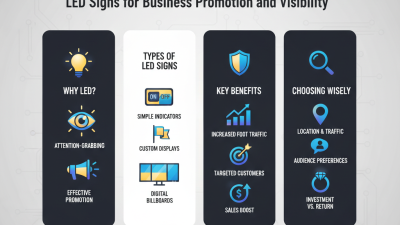
Light signs are versatile tools that enhance visibility and attract customers. They come in various types, each serving distinct functions. Neon signs, for example, shine brightly, making them ideal for attracting foot traffic. LED signs are energy-efficient and can display dynamic content, appealing to tech-savvy consumers. Channel letters, often seen on storefronts, offer a three-dimensional look that stands out.
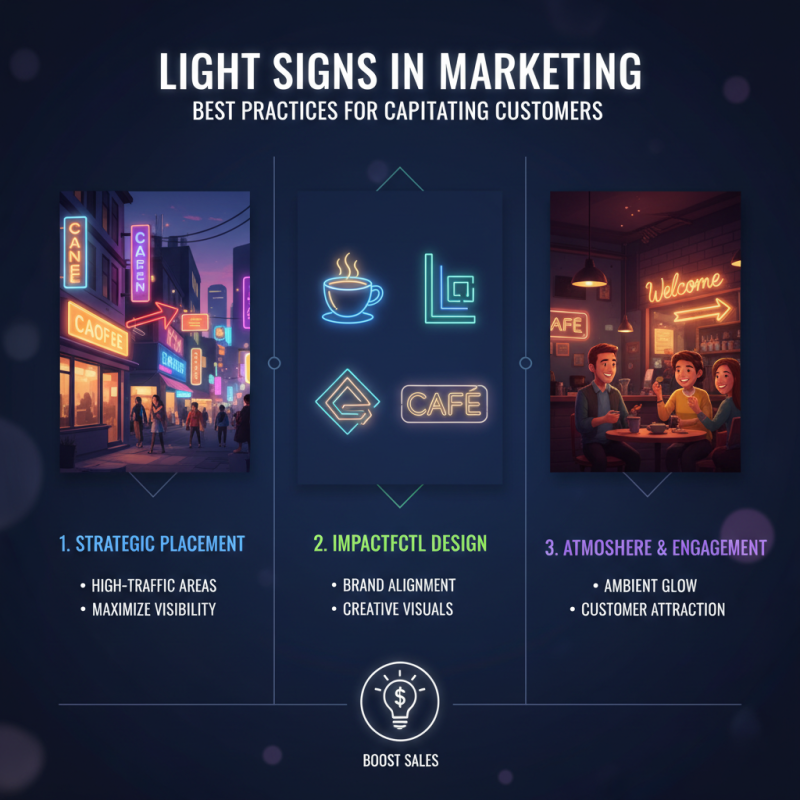
When considering light signs, consider their placement carefully. A well-placed sign can capture attention from a distance. Make sure it is easily readable. Use contrasting colors for better visibility at night. Think about the message you want to convey. Clarity is key.
Tips: Regular maintenance of light signs is crucial. Flickering or dim lights can deter potential customers. Ensure your signs are clean and in good working condition. Also, remember to comply with local regulations regarding signage. This will prevent future issues. Light signs can significantly impact your business when used effectively.
How Light Signs Influence Consumer Behavior
Light signs are a powerful tool in influencing consumer behavior. When strategically placed, these signs can catch attention and sway purchasing decisions. According to a study by the Sign Research Foundation, about 68% of consumers believe that signs reflect the quality of a business. Well-designed light signs can enhance brand visibility and create a welcoming atmosphere.
For instance, the American Sign Museum reports that properly illuminated signage can increase foot traffic by up to 50%. This increased visibility not only attracts attention but also allows consumers to engage more with the brand. Brands must remember that the impact of signage goes beyond aesthetics; it affects consumer perception and trust. If light signs are dim or poorly designed, it may give the impression of neglect.
Tips: Invest in high-quality signage that aligns with your brand message. Regularly assess the condition and visibility of your signs. Engage with customer feedback regarding signage effectiveness.
Lighting has psychological effects as well. Bright lights can evoke a sense of urgency, prompting faster purchase decisions. However, too much brightness can create discomfort. Finding the right balance is key. Consider the store’s layout and the products displayed near light signs. Reflecting on these factors can lead to a more effective brand strategy.
Benefits of Using Light Signs for Business Visibility
Light signs have become essential tools for enhancing business visibility. According to a study by the Sign Research Foundation, nearly 76% of consumers enter a store they have never visited before based on its signage alone. Bright, eye-catching light signs attract attention and help potential customers remember a brand. The 2021 Retail Signage Survey reveals that effective signage can increase sales by 10-20%. This substantial impact underscores the importance of investing in quality light signs.
Using light signs also provides flexibility. Businesses can update their messages easily to reflect promotions or seasonal changes. Studies show that 70% of customers are influenced by outdoor signs. This influence significantly boosts foot traffic, especially during peak hours. However, inadequate placement of signs can lead to missed opportunities. It's crucial to strategize their locations for maximum visibility.
Tips: Regularly evaluate the effectiveness of your light signs. Are they located where they will capture the most eyes? Consider testing different designs to see what resonates best with your audience. This approach minimizes the risk of underwhelming performance. Engaging with your target demographic can also offer insight into what types of signage entertain them.
Impact of Light Signs on Business Visibility