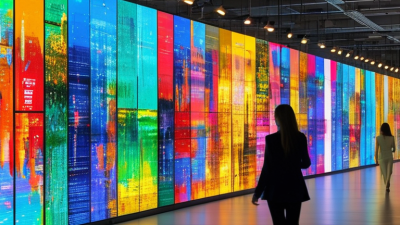
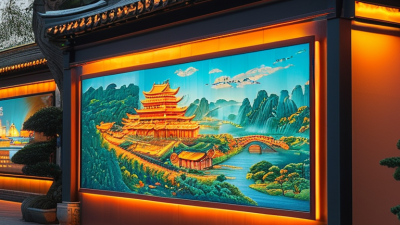
Choosing the right Led Board Sign can influence how customers notice, understand, and remember your business. A bright display may attract attention from across a busy street. However, excessive brightness can create glare and reduce readability at night. The best choice depends on your location, viewing distance, message style, and daily operating hours.
A storefront beside a narrow sidewalk needs different specifications from a roadside dealership. Measure the farthest viewing point before comparing models. Check pixel pitch, brightness control, weather resistance, viewing angle, and energy consumption. A high-resolution screen can show detailed graphics, while a simpler display may work better for short prices, opening hours, or promotions. Content software also matters. Reliable scheduling tools can reduce manual updates during busy periods.
Think beyond the purchase price. Installation quality, ventilation, maintenance access, warranty coverage, and replacement parts affect long-term value. Ask suppliers for test videos, technical documents, and clear service terms. Certifications and electrical requirements should be verified for your location. Local signage rules may also influence size, brightness, placement, and operating times.
Real experience reveals small problems early. Reflections from glass can weaken contrast. Dust can hide vents. Poor cable protection can cause avoidable service calls. A brighter sign is not always better. Some businesses choose impressive specifications, then discover that customers cannot read the message quickly. This guide examines practical selection criteria, common mistakes, and reliable questions to ask before investing in a Led Board Sign. Expect useful direction, but leave room for review; every site behaves differently.
An LED board sign is more than a bright display. It acts as a silent employee outside your business. It answers three questions quickly: who you are, what you offer, and why people should enter.
A study summarized by the Sign Research Foundation found that 60% of businesses reported sales increases after improving their signs, with an average rise of about 10%. That figure is useful, but it is not a promise. Location, pricing, service, and timing still matter.
Choose the sign around real communication needs. Use large lettering for drivers and short phrases for pedestrians. A viewer should understand the message within a few seconds. Test the sign from the sidewalk, parking area, and opposite traffic lane. I have found that attractive animation can distract from the offer. Simple often works better. Brightness must also match the environment. Excessive brightness creates glare and weakens readability at night.
Energy use deserves attention. The U.S. Department of Energy reports that LED lighting can use at least 75% less energy and last up to 25 times longer than incandescent lighting. Those figures support LED technology, but maintenance still depends on weather sealing, ventilation, installation quality, and operating hours. Ask for a readable viewing distance, brightness controls, service access, and content scheduling. A lower purchase price may become expensive when repairs interrupt communication. Perfect specifications are rare. Careful testing is better.
Choosing the best LED board sign starts with your business, not the screen itself. Define the action you want: store visits, menu changes, event awareness, or clearer wayfinding. A roadside restaurant may need large characters and rapid recognition. A clinic may need calmer visuals and readable appointment information.
Location determines viewing time. Measure traffic speed, mounting height, sunlight, and sight distance. Drivers need simpler messages than pedestrians. Check glare during midday and evening. A bright sign is not automatically an effective sign. The U.S. Department of Energy reports that LEDs use at least 75% less energy and last up to 25 times longer than incandescent lighting, but brightness settings still affect operating costs.
Audience research should guide font size, language, contrast, and message frequency. The Sign Research Foundation and University of Cincinnati reported that 60% of surveyed businesses experienced sales increases after improving on-premise signage, with an average increase of about 10%. Treat that figure as a benchmark, not a promise. Results depend on placement, offer quality, and customer intent.
Build a small display plan. Test two message lengths for one week. Ask staff what customers actually notice. Track visits, calls, and offer redemptions before changing the content. Some assumptions will be wrong. That is useful. Select a board with weather protection, remote scheduling, service access, and brightness control. Your display goals should shape the hardware, not the other way around.
| Business Type | Typical Location | Audience and Viewing Pattern | Primary Display Goals | Recommended LED Board Specifications | Suitable Content Strategy | Outdoor Visibility Priority |
|---|---|---|---|---|---|---|
| Retail Store | Shopping street, retail park, or roadside storefront | Pedestrians and drivers with limited viewing time; viewing distance commonly ranges from approximately 10 to 50 meters. | Increase storefront visibility, promote seasonal offers, and direct customers to entrances or departments. | Full-color display; automatic brightness control; weather-resistant enclosure for outdoor use; pixel pitch selected according to viewing distance; wide viewing angle. | Short promotional messages, product categories, prices, opening hours, and directional information. Use large text and high contrast. | High |
| Restaurant or Café | High street, entertainment district, shopping center, or drive-by location | Local pedestrians, passing drivers, delivery customers, and repeat visitors. Messages are usually viewed for only a few seconds. | Display menus, daily specials, limited-time promotions, and service availability. | Bright full-color display; strong contrast; weather protection when installed outdoors; content scheduling; optional timer for business hours. | Feature one offer or menu item at a time. Use readable prices, food images, and clear calls to action. | High |
| Hotel or Hospitality Venue | Building entrance, driveway, conference area, or roadside frontage | Guests, event attendees, local visitors, and drivers approaching the property. | Improve wayfinding, announce events, support guest communication, and promote facilities or services. | High-resolution display for closer viewing; programmable schedules; reliable remote content management; outdoor-rated protection where required. | Welcome messages, room or event directions, conference schedules, parking guidance, and service announcements. | Medium |
| School or Educational Facility | Main entrance, campus perimeter, athletic field, or community-facing roadside | Students, parents, staff, visitors, and passing traffic. Viewing distances can vary significantly across a campus. | Share announcements, safety messages, event information, closures, and community notices. | High-brightness outdoor display where exposed to sunlight; durable enclosure; simple content management; optional scheduled operation to reduce unnecessary power use. | Use concise announcements, dates, times, emergency messages, and community information with accessible text sizes. | High |
| Corporate Office | Building lobby, reception area, campus entrance, or business park | Employees, clients, visitors, and delivery personnel; generally closer viewing distances than roadside signage. | Provide reception guidance, visitor information, corporate messaging, and internal communications. | Fine-pitch or higher-resolution indoor display; moderate brightness; low-noise operation; secure mounting; integration with scheduled content. | Lobby welcomes, meeting-room directions, company announcements, visitor instructions, and presentation graphics. | Standard |
| Healthcare Facility | Hospital entrance, clinic frontage, parking area, or reception zone | Patients, caregivers, visitors, staff, and drivers who need information that is easy to read quickly. | Improve wayfinding, communicate operating information, display public notices, and support emergency instructions. | High legibility; high contrast; stable, non-distracting animations; weather-resistant construction outdoors; reliable uptime and content control. | Opening hours, entrance directions, appointment guidance, parking information, and essential public notices. | High |
| Fuel or Convenience Station | Roadside forecourt, highway approach, or busy intersection | Drivers who may view the sign at speed and from long distances, often under direct sunlight. | Increase roadside recognition, show prices or promotions, and guide vehicles into the site. | Very high brightness with automatic dimming; robust outdoor enclosure; high contrast; large characters; wide viewing angle; content that can be updated quickly. | Fuel prices, opening hours, service availability, and one short promotional message per screen. | High |
| Property or Real Estate Office | Street-facing office, development entrance, or property sales center | Drivers, pedestrians, prospective buyers, tenants, and local residents. | Promote available properties, open-house events, contact details, and construction updates. | Full-color display; outdoor weather protection; moderate-to-high brightness; high resolution when property images are important; remote updates. | Show property photos, short descriptions, viewing times, contact information, and QR codes when they remain readable at the intended distance. | High |
| Sports or Entertainment Venue | Stadium entrance, arena concourse, event hall, or outdoor venue | Large crowds, moving visitors, event attendees, and sponsors viewing from different angles. | Display schedules, ticket information, sponsor content, live updates, and crowd directions. | High refresh rate for video and camera content; wide viewing angle; strong brightness control; durable construction; networked content management. | Event times, score or status updates, entrance guidance, safety notices, and sponsor rotations. | Medium |
| Industrial or Logistics Facility | Warehouse entrance, loading area, factory gate, or private access road | Employees, contractors, delivery drivers, and commercial vehicles. | Improve traffic control, loading instructions, safety communication, and operational coordination. | Rugged outdoor enclosure; high brightness when exposed to sunlight; readable text at long distances; simple remote scheduling; optional integration with access or warning systems. | Gate instructions, loading-bay assignments, safety alerts, delivery information, and shift announcements. | High |
| Indoor Retail or Transit Display | Shopping mall, airport, train station, lobby, or indoor public area | People viewing from close to moderate distances, often while walking or waiting. | Provide information, advertising, navigation, and time-sensitive announcements. | Indoor display with controlled brightness; finer pixel pitch for close viewing; low-reflection surface; high refresh rate for video; centralized content management. | Maps, schedules, advertisements, directions, queue information, and short-form video content. | Standard |
Choosing the best LED board sign starts with the viewing environment, not the screen size. Indoor signs usually need lower brightness, around 800 to 1,500 nits, because excessive light can feel harsh in a shop. Outdoor boards often require 5,000 nits or more for clear daytime viewing. A light sensor can reduce brightness after sunset and improve comfort.
LED board types also affect readability. Single-color displays work well for prices, queues, and short announcements. Full-color boards support images, video, and changing promotions, but they need stronger content planning. SMD LEDs provide smooth images and wide viewing angles. DIP LEDs can offer strong outdoor brightness, although their appearance may look less refined at close range. Choose the type based on content, weather exposure, and maintenance access.
Size should match the distance and message length. A small entrance sign may suit viewers standing five meters away. A roadside board needs larger characters and greater brightness. Pixel pitch matters too. As a practical estimate, a 10-millimeter pitch may need about 10 meters for basic clarity, while two or three times that distance feels more comfortable. I once underestimated glare on a sun-facing wall. The colors looked impressive indoors, but weak outdoors.
Tips: Measure the farthest viewer position before ordering. Test white text on a dark background. Leave space around each word. Shorter messages usually perform better. Also check viewing angles, ventilation, service access, and weather protection. A brighter sign is not always a better sign.
Content features should match how customers actually see your sign. Check viewing distance, pixel pitch, brightness control, and text readability. A small storefront may need simple messages, not complex animations. Remote content updates can save staff time during promotions or schedule changes. Test several message lengths before purchasing. A sign that displays everything may communicate nothing.
Durability matters when the board faces rain, dust, heat, or freezing temperatures. Ask for clear weather-resistance ratings, sealed cabinets, sturdy mounting hardware, and a dependable warranty. Inspect the ventilation design, too. Poor heat management can shorten LED life. During a site visit, notice direct sunlight and nearby sprinklers. These details often receive less attention than screen size.
Energy use affects operating costs every month. Compare rated power, average power, brightness settings, and automatic dimming controls. A screen running at full brightness all night may waste electricity. Request measured consumption instead of relying only on marketing estimates. Maintenance should also be practical. Look for replaceable modules, accessible power supplies, diagnostic alerts, and local technical support. Keep a simple service log for faults, cleaning, and brightness changes. I have seen owners choose a cheaper board, then spend more on difficult repairs. That experience is worth considering, although every location has different risks.
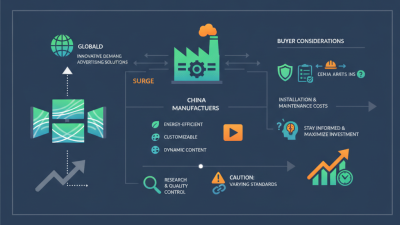
Choosing an LED board sign starts with the supplier, not the screen size.
The Sign Research Foundation reports that effective on-premise signs can increase customer visits and sales. Visibility matters, but reliability protects that investment. Ask for documented brightness, pixel spacing, ingress protection, warranty terms, and repair response times. A supplier should explain these details without hiding behind technical language. That is a useful test.
Build the budget around the full installation.
Include the LED board, steel structure, wiring, permits, programming, delivery, installation, maintenance, and electricity. The U.S. Department of Energy reports that LED lighting uses at least 75% less energy than incandescent lighting and lasts much longer. However, an outdoor sign is not automatically efficient. Poor ventilation, excessive brightness, and weak power supplies can increase operating costs. Request energy estimates for your daily schedule.
I once focused too heavily on the purchase price. That was a mistake.
A cheaper board may need earlier module replacement or more service visits. Keep a 10–15% contingency for unexpected site work and electrical changes. Compare at least three written proposals using identical specifications. Check real installation photos, service records, and customer references. Ask who handles repairs after installation. The answer should be specific. A reliable supplier will discuss limitations, not promise perfection.