2026 Top Electronic Sign Trends for Global Buyers?
As the world becomes increasingly digital, the importance of Electronic Sign technology continues to grow. Experts in the field predict that global buyers will see significant trends emerging by 2026. One such expert, Dr. Emily Grant, a leading authority on digital marketing technology, states, "Electronic Sign solutions will redefine how brands communicate in real time."
Adoption of Electronic Signs is transforming businesses, enhancing engagement, and streamlining communication. Companies need to stay ahead of trends to maintain competitiveness. The market dynamics are constantly changing, and businesses must adapt to new technologies. The trend toward interactive displays is on the rise. This shift offers an engaging way for brands to connect with customers.
However, integrating new Electronic Sign technologies poses challenges. Budget constraints and a lack of expertise can hinder progress. Companies must evaluate their needs carefully to ensure reliable implementation. Addressing these gaps will be essential for success in this evolving landscape. Global buyers should pay close attention to these trends as they prepare for the future.
Emerging Technologies in Electronic Signage for 2026
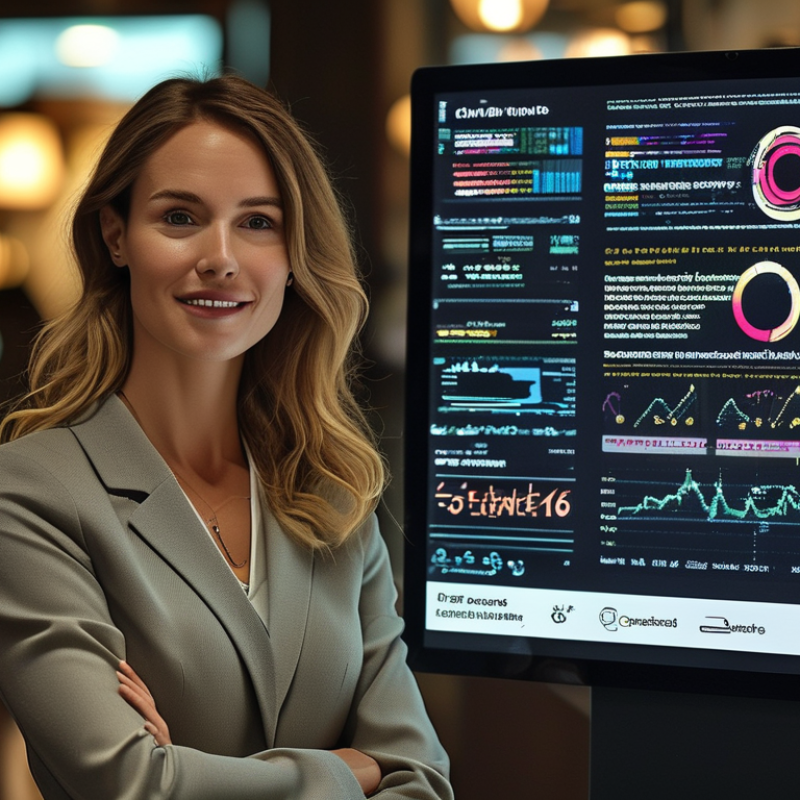
As we look toward 2026, electronic signage is set to evolve significantly, driven by emerging technologies. Research predicts that the global digital signage market will reach $40.7 billion by 2026, growing at a CAGR of 7.5%. This growth reflects the increasing adoption of innovative display solutions and interactive technologies. For example, displays utilizing OLED technology are becoming more prominent, offering vibrant colors and flexible designs. Companies now prioritize creating immersive customer experiences through these advancements.
Artificial intelligence (AI) plays a vital role in the future of electronic signage. AI-driven analytics empower businesses to understand consumer interactions better. The integration of machine learning algorithms can help tailor content to specific audiences, optimizing engagement. According to industry experts, approximately 60% of businesses plan to invest in AI-enhanced signage by 2026. Despite these advancements, challenges persist. Businesses need to ensure that their technology investments align with customer preferences and privacy concerns.
Another noteworthy trend is the rise of augmented reality (AR) in electronic signage. AR can transform traditional displays into interactive experiences. Statista projects that the AR market will grow to $198 billion globally in just a few years. However, not all implementations are seamless, and companies must evaluate the effectiveness of AR in achieving marketing goals. Balancing innovation with consumer acceptance remains crucial as the landscape evolves.
2026 Top Electronic Sign Trends for Global Buyers
| Trend |
Description |
Key Benefits |
Projected Adoption Rate |
| AI Integration |
Utilization of artificial intelligence for personalized content. |
Increased engagement and targeted messaging. |
65% |
| Interactive Displays |
Touchscreen signs that allow users to interact with content. |
Enhanced user experience and information accessibility. |
60% |
| Sustainability Features |
Eco-friendly materials and energy-efficient technologies. |
Reduced environmental impact and energy costs. |
70% |
| Augmented Reality (AR) |
Integration of AR for immersive customer experiences. |
Increased foot traffic and customer engagement. |
50% |
| Dynamic Content Management |
Real-time updates and customizable content delivery. |
Timely information dissemination and adaptability. |
75% |
Projected Growth: Electronic Sign Market Forecast to Reach $27 Billion by 2026
The electronic sign market is on a remarkable trajectory, projected to reach $27 billion by 2026. This growth reflects significant advancements in technology and consumer preferences. As businesses seek innovative ways to engage customers, electronic signage has become essential. New features like interactivity and real-time updates enhance their appeal. Visual displays attract attention, increasing foot traffic and customer engagement.
However, this rapid expansion brings challenges. Not all businesses understand the complexities of integrating electronic signs effectively. Missteps in placement or content can lead to underwhelming results. Additionally, the need for consistent maintenance and updates can strain resources. Companies must invest in training and consultation to make informed decisions.
As global buyers navigate this evolving landscape, awareness and adaptability are crucial. Learning from early adopters, who successfully harness the potential of electronic signs, can provide valuable insights. Investing in quality and strategically planning content is vital. The journey to maximize the benefits of electronic signage will require reflection and constant improvement.
Impact of AI and Machine Learning on Digital Signage Solutions
The rapid evolution of artificial intelligence (AI) and machine learning (ML) significantly influences digital signage solutions. In 2026, we are likely to witness more personalized and interactive displays. AI can analyze viewer demographics and preferences in real-time. This data enables screens to tailor content dynamically. Such functionality enhances audience engagement.
However, the integration of AI into digital signage brings challenges. Not all businesses have the expertise to implement advanced technologies effectively. There is also the risk of data privacy concerns. Consumers are becoming increasingly aware of how their data is used. This scrutiny can lead to hesitation in adopting AI-enhanced solutions.
Moreover, the technology isn’t always foolproof. Machine learning algorithms can misinterpret data, resulting in inappropriate content displays. This highlights the need for human oversight. As AI continues to develop, careful attention must be paid to its application in digital signage. Companies must strike a balance between innovation and ethical responsibility in content delivery.
Sustainability Trends: Eco-Friendly Materials in Electronic Signage
As electronic signage continues to evolve, sustainability has become a key trend among global buyers. Reports indicate that the market for eco-friendly signage solutions is projected to grow significantly, with an expected compound annual growth rate (CAGR) of over 10% between 2023 and 2028. This shift is driven by increasing demands for materials that reduce environmental impact.
Recycled and biodegradable materials are at the forefront of this trend. For instance, manufacturers are exploring alternatives like bio-resins and recycled plastics. The use of LED technology not only enhances visibility but also lowers energy consumption. According to industry research, LED signs can reduce energy use by up to 75% compared to traditional options. This creates a win-win for businesses and the planet.
However, the transition to sustainable materials poses challenges. Not all eco-friendly options offer the same durability as traditional signage. Additionally, the initial costs can be higher. Companies must weigh short-term expenses against long-term sustainability goals. The quest for balance will be crucial as the industry moves forward in making more eco-conscious choices.
User Experience Enhancements: Interactive Displays and Customer Engagement Strategies
User experience is evolving rapidly, especially in the realm of interactive displays. A recent report indicates that 67% of consumers prefer shopping with brands that engage them directly. This statistic underscores the importance of customer engagement strategies that foster interaction. Touchscreens, augmented reality features, and adaptive content are essential for drawing in potential customers.
Brands utilize interactive displays to inform users and create memorable experiences. Gamification elements can transform a mundane visit into an engaging journey. Personalized content displayed on smart screens can also drive customer loyalty and even impulse purchases. A study by the Interactive Advertising Bureau found that interactive ads significantly increase viewer retention rates by up to 47%.
For businesses looking to enhance their user experience, it's essential to focus on several areas. First, always evaluate your audience's preferences through surveys or direct feedback. It’s crucial to understand what captivates your visitors. Additionally, ensure that your displays are accessible and intuitive. Lastly, keep in mind that frequent updates to content can prevent stagnation and maintain consumer interest. Adaptability is key; what works today might not resonate tomorrow.