What are the Best Shop Signs for Your Business Needs?
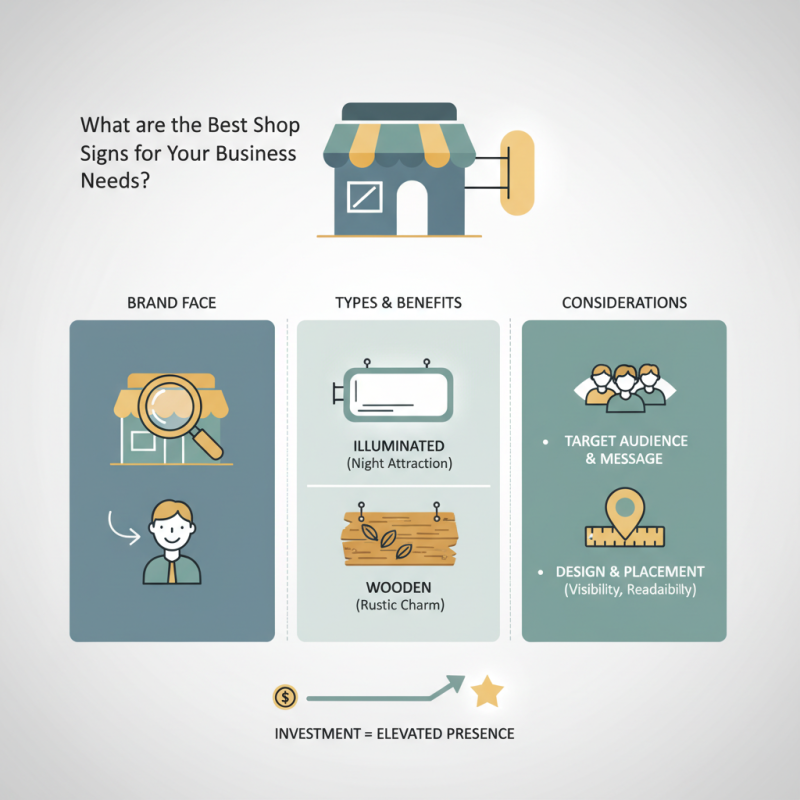
When starting a business, selecting the right shop signs is crucial. These signs serve as the face of your brand. A well-designed sign attracts customers and sets the tone for their experience. However, choosing the best type is not always straightforward.
Shop signs come in various forms, each with unique benefits. Illuminated signs grab attention, especially at night. Wooden signs can add a rustic charm to your brand. But not every shop sign will fit your business's needs. Consider your target audience and the message you want to convey.
It’s essential to reflect on your shop sign's design and placement. Will it stand out in a crowded area? Is it easy to read from a distance? These questions matter. Sometimes, businesses overlook the importance of these details. Investing in high-quality signage can elevate your presence significantly.
Types of Shop Signs and Their Applications for Different Businesses
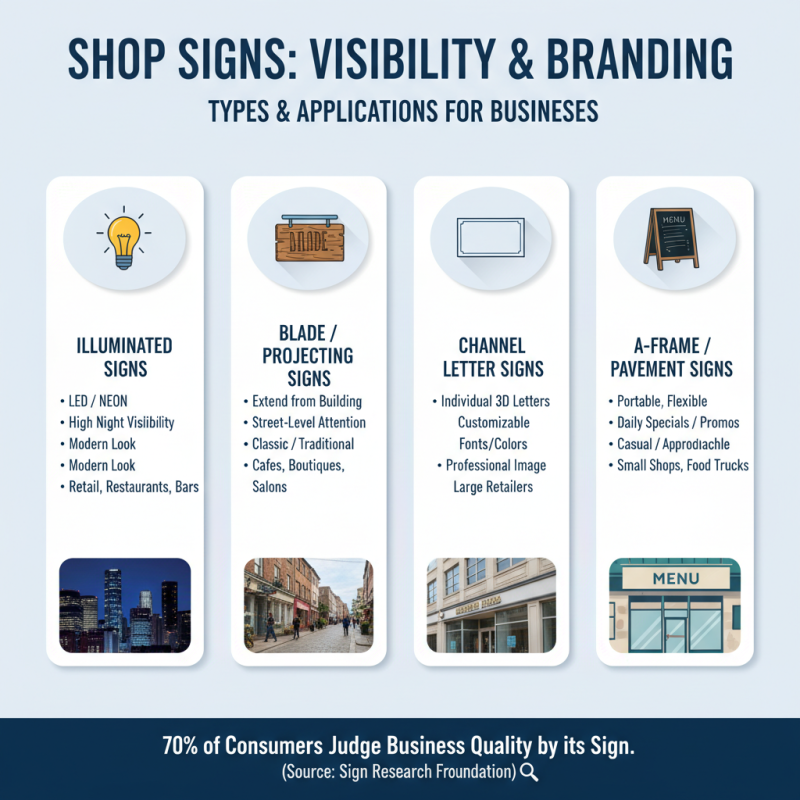
Choosing the right shop sign greatly impacts a business's visibility and brand image. Various types of shop signs cater to different needs. For instance, illuminated signs can enhance visibility at night. According to a study by the Sign Research Foundation, nearly 70% of consumers believe that a shop’s sign reflects its quality.
For retail stores, digital signs offer flexibility. They can display promotions and updates in real time. In fact, businesses using digital signage report an increase in sales by up to 29.5%, as noted in a report by the Digital Signage Federation. This shows how technology can elevate customer engagement.
On the contrary, traditional wooden or metal signs convey a timeless appeal. These signs are favored by local businesses aiming to create a rustic, welcoming atmosphere. However, some may find it difficult to maintain these materials. Not all types may suit every business environment. It’s essential to evaluate the message you wish to convey. Reflecting on the unique nature of your business can guide your choice.
Factors to Consider When Choosing Shop Signs for Your Business
Choosing the right shop sign is critical for attracting customers. Your sign reflects your brand identity. It's often the first impression potential customers have of your business. You need to consider factors like visibility, materials, and design elements. A well-designed shop sign should be easy to read and eye-catching.
Visibility is essential. Think about your location. Is your shop situated in a busy street or a quiet alley? Signs that stand out against their backdrop can draw attention. Use colors that contrast well. Also, consider the types of materials. Outdoor signs need to withstand weather conditions. Durability can impact the longevity of your investment.
Design elements matter too. Your sign should convey your business's character. Think about fonts and symbols. Simplicity often works best. It’s okay if your first design doesn’t hit the mark. Gather feedback and be ready to refine your approach. A few iterations might lead to a more effective sign that resonates with customers. Always prioritize clarity over complexity.
Materials and Technologies Used in Creating Effective Shop Signs
When selecting shop signs, material choice plays a critical role. Durable materials like metal and acrylic offer longevity. However, they may require higher upfront costs. Wood gives a rustic charm but needs regular maintenance. Lightweight options, such as foam board, are budget-friendly but less durable. Choose based on your brand identity.
Technology also impacts sign effectiveness. Digital signs can grab attention with vibrant animations. They offer flexibility to change messages frequently. However, they may be expensive and require technical know-how. Traditional signs, while less flashy, still hold the ability to communicate brand value effectively.
Even with the best materials and technologies, signs can fall short. Poor visibility due to location or lighting can hamper their effectiveness. Color choices might clash with the surrounding environment, making them easy to overlook. Material degradation over time can lead to a neglected appearance. Regular assessment and updates are essential for maintaining visual appeal.
Design Principles to Enhance Visibility and Attract Customers
When designing shop signs, clarity and visibility are paramount. Studies show that 60% of consumers decide to enter a store based on signage alone. This highlights that your sign should be readable from a distance. Use bold and contrasting colors to stand out against the background. For example, black text on a white background is clear and direct. However, many businesses overlook the importance of size. A sign too small will blend into the surroundings.
Consider the layout. A cluttered sign can confuse potential customers. Research indicates that simple designs with fewer elements improve recall by 40%. Use concise messaging. An effective sign should convey its message in six words or less. When designing, think about your target audience. Signs should align with their preferences. Noticing trends in design can help make informed choices.
Effective signage should also reflect your brand identity. Consistency across all signage channels enhances recognition. However, striking the right balance can be tricky. Too much branding can overwhelm a passerby. Testing different designs can provide insights into what works. An adaptive approach often leads to better customer engagement and a stronger market presence.
Best Shop Signs for Business Needs
Legal Regulations and Considerations for Shop Signage Installation
When considering shop signage, it’s vital to navigate legal regulations. Each location has specific rules about size, materials, and placement. You may face restrictions based on your area. Understanding these laws can save you from costly penalties or delays. Failure to comply can lead to fines or even forced removal of your sign.
One key tip: check with local authorities before installation. This ensures your sign meets zoning laws and permit requirements. Also, consider the aesthetics. Your sign should reflect your brand but comply with regulations. Sometimes, a creative design can align with the legal standards.
Remember to keep safety in mind. Signs must not obstruct pathways or visibility for drivers. Falling short here can create hazards. Engaging with professionals in design and legal areas can streamline the process. Reflect on your signage choices and their impact on the community. Thoughtful planning leads to better outcomes.