How to Choose the Best Light Signs for Your Business Needs?
When selecting Light Signs for your business, the right choice can make all the difference. Industry expert James Carter notes, "Effective light signs can transform a mere façade into a captivating invitation." This insight emphasizes the importance of understanding how Light Signs function within your branding strategy.
Light Signs are more than just illuminated displays. They serve as vital tools for attracting customers and conveying your brand message. However, choosing the right sign involves careful consideration. Factors such as visibility, design, and placement play essential roles in their effectiveness. A poorly designed sign can misrepresent your brand and fail to catch attention.
Many business owners overlook these details, leading to missed opportunities. Investing time in research and understanding your audience can yield significant benefits. Always aim for a balance between creativity and clarity when designing your Light Signs. Every detail counts in creating an impactful visual presence.
Understanding Your Business Needs for Light Signs
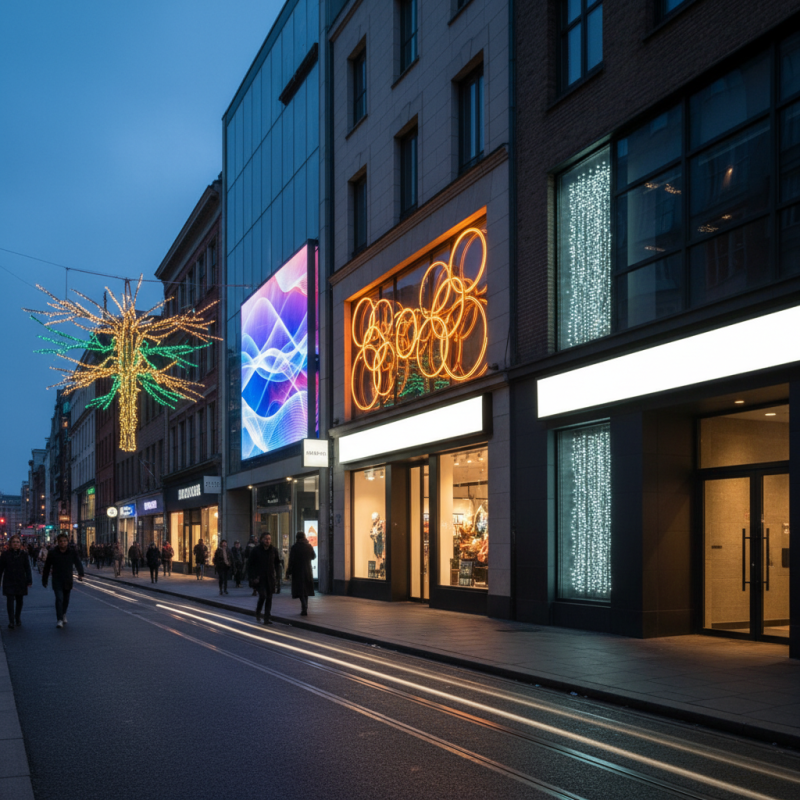
When selecting light signs for your business, it's crucial to identify your specific needs. Visual appeal is key. Think about the message you want to convey. Are you aiming for a welcoming vibe or a striking advertisement? Determine the purpose of the signage. It could be to attract customers, guide them, or communicate promotions.
Consider the location of your light signs. High-traffic areas require bright, eye-catching designs. However, subtlety might work better in a boutique or a premium setting. The size of your sign matters too. Too large can be overwhelming, while too small may go unnoticed. This balance is often harder to achieve than it seems.
Finally, your choice of materials can impact the lifespan and maintenance of the signs. Some materials fade faster than others and may need frequent replacement. Reflect on your budget too. Investing in high-quality light signs could pay off in the long run. It’s a delicate balance between cost and effectiveness.
Types of Light Signs and Their Applications
Light signs come in various forms, each serving different purposes. The traditional neon sign is a popular choice, known for its vibrant colors. This type works well for businesses that aim to create a retro or classic vibe. However, neon signs can be fragile and energy-intensive. For a more modern option, LED signs are highly efficient. They last longer and consume less power. Their brightness makes them suitable for both indoor and outdoor settings.
Another option is illuminated channel letters. These three-dimensional signs stand out and can be customized to fit the brand’s theme. They are particularly effective for store entrances or during nighttime. Lightbox signs provide versatility. They can accommodate changeable graphics, making them ideal for businesses that frequently update their promotions. However, they may require more maintenance compared to static signs.
Understanding the specific needs of your business is essential. The choice of light signs should match the target audience and overall branding strategy. Some businesses may overlook the significance of placement and visibility. Consider factors like location and surrounding environment. An effective sign should not just look good; it should communicate a message clearly and attract attention.
Key Factors to Consider When Choosing Light Signs
When choosing light signs for your business, key factors play a crucial role. The first is visibility. Signs must be eye-catching, especially for foot traffic. Studies show that about 68% of consumers believe a business's signage reflects its quality. A well-lit sign can enhance your brand image. Color and brightness can influence consumer emotions. Bright colors attract attention, while softer hues create comfort.
Durability is another aspect to consider. Outdoor signs face harsh weather, making material choice essential. High-quality LED fixtures last longer and often offer energy efficiency, saving costs in the long run. According to a report, LED signs can last up to 25,000 hours, reducing the frequency of replacements. However, investing in premium materials may strain budgets initially.
Lastly, compliance with local regulations is vital. Various municipalities have rules regarding sign sizes and lighting. Overlooking this can lead to fines or removal. Understanding these regulations reflects professionalism and builds trust. Balancing these factors effectively can lead to a significant impact on your business visibility and customer attraction.
How to Choose the Best Light Signs for Your Business Needs?
| Key Factor |
Description |
Importance Level |
Cost Range |
| Purpose |
Identify the main function of the light sign (e.g., advertising, directional). |
High |
$100 - $500 |
| Size |
Select an appropriate size based on location and visibility. |
Medium |
$150 - $800 |
| Brightness |
Ensure adequate brightness for visibility in varying light conditions. |
High |
$200 - $1000 |
| Design |
Consider the style and colors that align with your brand identity. |
High |
$300 - $1500 |
| Materials |
Choose durable materials suitable for indoor or outdoor use. |
Medium |
$100 - $700 |
| Installation |
Factor in installation complexity and required permits. |
Medium |
$50 - $400 |
| Maintenance |
Consider the maintenance needs and costs related to upkeep. |
Low |
$20 - $200 annually |
| Energy Efficiency |
Look for energy-efficient options to reduce operating costs. |
High |
$150 - $600 |
Evaluating Cost vs. Quality in Light Signs
When selecting light signs for your business, balancing cost and quality is crucial. A report from the Sign Research Foundation indicates that businesses investing in high-quality signs typically see a 30% increase in customer engagement. However, many business owners opt for cheaper options, often sacrificing durability and visibility.
Consider that lower-cost signs may fade or malfunction more quickly. This can lead to additional expenses in repairs or replacements. A study by the National Association of Sign Manufacturers notes that well-made signs can last over a decade. Investing wisely avoids frequent replacements and boosts long-term profits.
Tips: Always analyze the materials used in light signs. Quality materials can withstand weather changes and extend sign life. Look for warranties, as they reflect manufacturer confidence. Quality signs may be pricier upfront but pay off through longevity and effectiveness. Remember, the right sign is an investment in your brand's visibility.
Cost vs. Quality in Light Signs
Installation and Maintenance Considerations for Light Signs
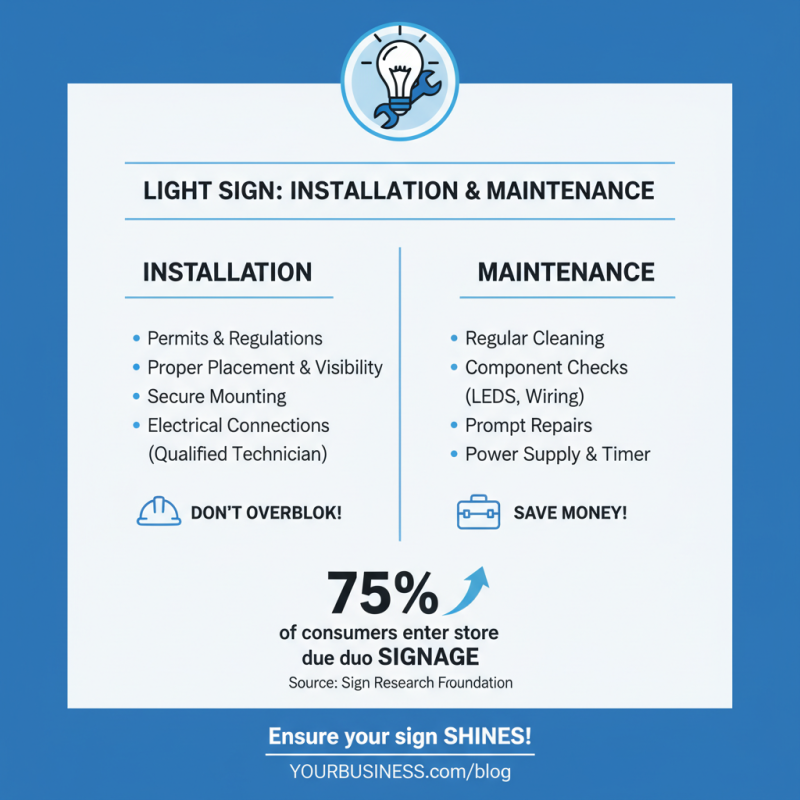
When considering light signs for your business, installation and maintenance are crucial factors. Many businesses overlook these aspects, leading to costly mistakes. According to the Sign Research Foundation, 75% of consumers have visited a store because of its signage. That’s an opportunity that can be lost if the sign isn't properly installed or maintained.
Installation requires careful planning. Select a location that maximizes visibility and ensures compliance with local regulations. Studies show that poorly placed signs can decrease customer engagement by up to 30%. Furthermore, consider the weather conditions in your area. Signs may need additional support in windy regions to prevent damage.
Maintenance is another critical element. Regular checks can prevent issues that lead to sign failure. A study by the International Sign Association found that lack of maintenance can shorten a sign’s lifespan by 50%. Cleaning, bulb replacement, and wiring checks should be scheduled routinely. Delaying this can lead to safety hazards and increased repair costs. Consider investing in materials that are both durable and easy to maintain to enhance longevity.