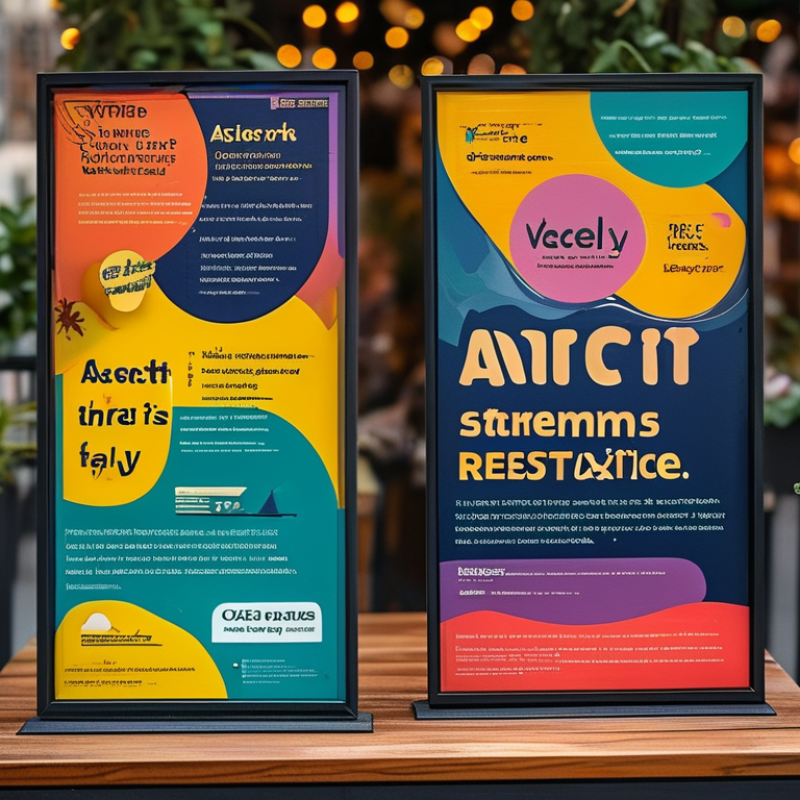
Best Practices for Designing Signage That Attracts Customers?
Effective signage can significantly impact customer engagement. When businesses aim to attract customers, the importance of design signage becomes clear. Thoughtful signage communicates brand identity while guiding consumer behavior.
Design signage is not merely about aesthetics; it involves a strategic approach. A well-crafted sign captures attention through color, typography, and lighting. However, some designs may overwhelm rather than inform. Balancing creativity with clarity is essential for a positive customer experience.
Attention to detail is key in signage design. Consider your target audience's preferences and values. Simplicity often resonates more than complexity. Reflecting on past designs can reveal opportunities for improvement. A sign should be inviting and comfortable, making customers feel welcomed.
Understanding Customer Psychology in Signage Design
Understanding customer psychology in signage design is crucial for attracting attention. When potential customers walk by, their eyes are naturally drawn to bold colors and clear typography. Simplicity often wins. A cluttered sign can confuse or overwhelm. Clear messaging is vital. It should communicate value instantly.
Incorporating emotional triggers can enhance effectiveness. Colors evoke feelings. For instance, blue often conveys trust, while red can create urgency. Ideal signage appeals to emotions and desires. Imagery plays a role here, too. Pictures can stir memories and aspirations, making the sign more compelling.
Testing and feedback loops are essential. What works for one audience may not suit another. Gathering insights from real customer interactions can reveal gaps. Signs should resonate with the intended demographic. Engage customers, listen to their responses, and adjust as needed. Reflecting on these aspects continuously will foster better connections with your audience.
Key Elements of Effective Signage for Business Visibility
Effective signage is crucial for enhancing business visibility. It should draw attention and convey essential information quickly. Clear messaging is key. Customers need to understand your offer at a glance. Use bold fonts and high-contrast colors. These elements can make a significant difference in visibility.
Creating a strong visual hierarchy helps guide the viewer’s eye. Place the most important information at the top. Secondary details should follow. This layout is vital for quick comprehension. A well-placed logo can reinforce brand identity. Remember, too much information can overwhelm. Keep it simple.
Consider location when designing signage. High-traffic areas yield better visibility. Ensure the sign is readable from a distance. Also, test different designs with potential customers. Their feedback offers insights you might overlook. Stay adaptable; signage should evolve with your business needs.
Choosing Appropriate Colors and Fonts for Maximum Impact
Choosing the right colors and fonts in signage is crucial. Colors evoke emotions and sway customer decisions. For instance,
red can trigger excitement, while
blue offers a sense of trust. Using a color palette that aligns with your brand identity builds recognition.
Experiment with combinations to see what resonates.
Fonts also play a significant role in communication. A clean, sans-serif font often enhances readability, especially from a distance.
However, unique, stylized fonts can add personality. Balance is key. Overly intricate designs may confuse potential customers.
Reflect on your audience's preferences when selecting styles.
Consider your target demographic. Are they young and trendy or older and more traditional? Colors and fonts can affect their perception significantly.
Regularly gather feedback on your signage. This can reveal insights into what works and what does not. It’s a process that often requires adjustments and refinements.
Placement Strategies for Signage to Enhance Customer Engagement
Effective placement of signage is crucial for attracting customers. Signs should be positioned to maximize visibility. Consider placing signs at eye level. This ensures they catch the attention of passersby. Locations near entrance points are ideal. Signs placed here welcome customers and provide immediate information.
Additionally, the surrounding environment can impact a sign's effectiveness. Avoid placing signs where obstructions may hinder visibility. A clear line of sight enhances the chances of engaging potential customers. Using contrasting colors can also make signs stand out in crowded areas. Bright colors draw the eye and compel individuals to take a closer look.
Reflecting on signage placement can lead to improvements. Regularly assess high-traffic areas. Move signs if they are not capturing attention. Sometimes, a small change in location can make a big difference. Engaging with customers about which signs they notice can provide valuable insights. Experimenting with different placements may reveal surprising results.
Innovative Features to Make Signage Stand Out in Competitive Markets
In today’s competitive market, creating standout signage is essential for attracting customers. Innovative features can transform standard signs into attention-grabbing displays. Using dynamic visuals, such as LED lights, can draw eyes to your signage, especially in high-traffic areas. Interactive elements, like QR codes that offer discounts, can engage customers deeper. This approach not only provides information but also encourages interaction.
Consider the color scheme carefully. Contrasting colors can enhance visibility and create emotional connections. For example, vibrant colors tend to evoke excitement. However, too many colors can be overwhelming. Simplicity often outperforms complexity when it comes to messaging. A clean, concise design allows customers to quickly understand your offer.
Reflecting community values can also boost relatability. Signs that incorporate local art can resonate with the target audience. However, you should ensure that such designs maintain professionalism. Regular updates to signage can refresh its appeal, yet frequent changes may confuse loyal customers. Balancing innovation with consistency is key to successful signage.
Best Practices for Designing Signage That Attracts Customers
This chart illustrates the key factors contributing to customer attraction for signage design. The scores indicate the effectiveness of each aspect on a scale of 0 to 100, highlighting the importance of visibility and location in capturing customer attention.