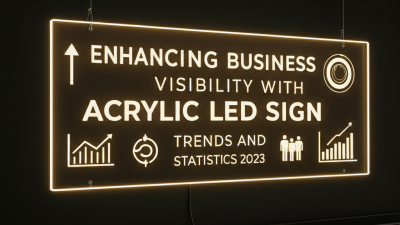
Top Acrylic Led Sign Trends for Global Buyers Today?
The demand for Acrylic Led Signs is rising globally as businesses seek innovative ways to attract customers. According to a recent report by Market Research Future, the global signage market is projected to grow by 10% annually. This trend reflects a shift towards more vibrant and customizable advertising solutions.
Industry expert Dr. Sarah Jensen emphasizes the significance of Acrylic Led Signs in modern marketing strategies. She states, "Acrylic Led Signs connect with consumers in a visually compelling way." These signs are not just about illumination; they enhance brand visibility. Businesses are increasingly investing in technology that provides sustainability and energy efficiency.
Yet, some challenges remain. Companies often grapple with design choices and material quality. Finding the perfect balance is crucial. In a rapidly evolving market, failing to adapt can lead to missed opportunities. As the Acrylic Led Sign industry matures, ongoing innovation is essential for future success.
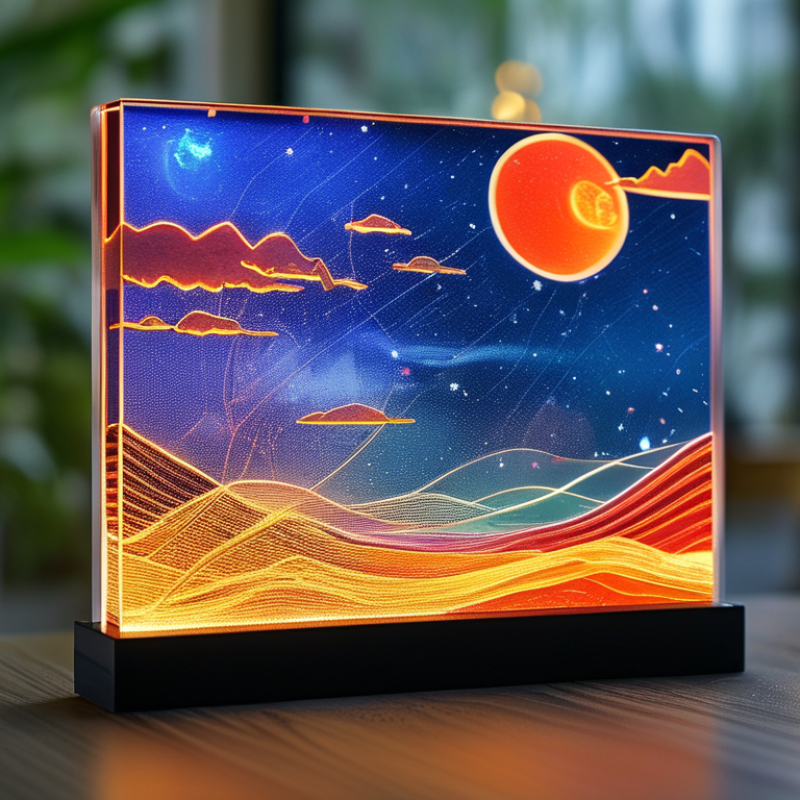
Current Innovations in Acrylic LED Sign Design and Manufacturing
Acrylic LED signs are gaining traction globally due to their innovative designs and manufacturing techniques. Data from Market Research Future indicates that the acrylic signage market is expected to grow by 5.1% annually, driven by advancements in technology. The integration of smart features is a notable trend. For instance, some signs now feature programmable LED displays that can be updated remotely via smartphone apps. This allows businesses to change messages easily, adapting to customer needs.
Another innovation lies in the eco-friendly materials used for production. Recent studies highlight that 70% of consumers prefer sustainable signage options. Manufacturers are responding with recyclable acrylics and energy-efficient LED technology. These materials maintain durability while reducing their carbon footprint. However, the challenge remains in balancing aesthetic appeal with environmental responsibility. The sleek finishes of acrylic can sometimes overlook the intricate details that make a sign truly unique.
Customization is another area where innovation is thriving. Emerging design software allows for intricate patterns, colors, and textures tailored to specific brand identities. However, as creativity bursts forth, there is a risk of overcomplicating designs, which could dilute the core message of the sign. Striking a balance between artistic expression and clear communication is essential for effective signage. As trends evolve, the Acrylic LED sign industry continues to navigate these complex dynamics, pushing boundaries while seeking clarity.
Key Features Enhancing the Popularity of Acrylic LED Signs
Acrylic LED signs are gaining traction among global buyers due to their vibrant appearance and versatility. One key feature contributing to their popularity is energy efficiency. According to a report by the Department of Energy, LED signage consumes up to 80% less energy than traditional lighting. This energy-saving aspect appeals to environmentally conscious consumers and businesses alike.
Another significant feature is durability. Acrylic materials resist weather conditions better than glass or plastic. This longevity reduces replacement costs over time. Furthermore, acrylic LED signs are lightweight and easier to install, making them a practical choice for retailers and event organizers. Research indicates that 45% of businesses report enhanced customer engagement with the use of illuminated signage.
Customization options also elevate the appeal of acrylic LED signs. Businesses enjoy various colors, shapes, and sizes. Personalization fosters brand recognition and sets them apart from competitors. However, it's essential to remember that trends may shift rapidly in the signage market. Manufacturers must stay informed and adapt to changing consumer preferences to maintain relevance.
Sustainable Materials and Eco-Friendly Practices in Sign Production
The shift towards sustainable materials is a prominent trend in modern sign production. Acrylic LED signs are evolving beyond aesthetics; eco-friendliness matters. Manufacturers are increasingly sourcing recycled plastics, reducing the overall carbon footprint. This approach resonates well with environmentally conscious buyers who value sustainability.
Using biodegradable materials for sign components is gaining traction. These alternatives are often less harmful and can break down naturally over time. However, challenges exist. Not all eco-friendly materials offer the durability of traditional options. Finding a balance between sustainability and longevity is essential but complex.
Companies are now adopting eco-friendly practices in their production processes. Energy-efficient methods and water conservation are becoming standard. Still, there is a long road ahead to ensure all manufacturing aligns with sustainable goals. Constant improvement and innovation are necessary. Buyers must also demand these changes to shape a sustainable future.
Customization Trends: Tailoring Acrylic LED Signs for Diverse Markets
The customization of acrylic LED signs is emerging as a vital trend in global markets. Buyers increasingly seek personalized designs to stand out. According to a report by
Research and Markets, the global acrylic sign market is projected to grow significantly, driven by demand for unique signage. Customization allows brands to create a visual identity that resonates with
their specific audience.
Consumers are now looking for tailored solutions. This shift pushes manufacturers to innovate. Engaging designs, vibrant colors, and varied shapes are in high demand. Current data indicates that
68% of businesses believe personalized signage attracts more customers. Thus, integrating client feedback during the design process is essential.
Tip: Explore advanced manufacturing techniques. Technologies like 3D printing can enhance design flexibility.
Tip: Invest in market research to understand local preferences. Recognizing cultural nuances can significantly impact sign effectiveness.
While customization opens doors, it also presents challenges. Not every design may successfully convey the brand message. Continuous iteration and testing remain crucial in achieving effective signage.
Global Markets: Regions Leading the Demand for Acrylic LED Signs
The demand for acrylic LED signs has surged across multiple global markets. According to a recent report, the global acrylic LED sign market is projected to reach a value of $3.4 billion by 2025. This growth is driven by retail sectors seeking innovative ways to attract customers. In North America, the emphasis on personalized shopping experiences has led to increased investments in vibrant signage. Businesses are realizing that effective visual communication can significantly impact customer engagement.
In Europe, the trend is leaning toward energy efficiency and sustainability. More companies are opting for eco-friendly materials and LED technology to reduce their carbon footprint. Reports indicate that the European market for acrylic LED signs is expected to grow at a CAGR of 5.6% over the next few years. This shift reflects the region's commitment to environmental responsibility. However, challenges such as high initial costs and the need for specialized maintenance may hinder some businesses from making the switch.
Asia-Pacific markets, particularly in countries like China and India, are rapidly adopting these signs across various industries. The preference for modern aesthetics and digital advertising methods contributes to this trend. Despite aggressive growth, there are concerns about market saturation and the quality of products available. Buyers must ensure they source from reliable suppliers. As acrylic LED signs become more commonplace, businesses must continually assess their strategies to stand out in a crowded space.