




The ROI of Visibility: 5 Scenarios Proving the "Light Box Character" is a Strategic Asset in 2026
The days of signage being a "passive" expense are over. In a crowded commercial environment, your sign is often the only handshake you get with a customer before they walk past.
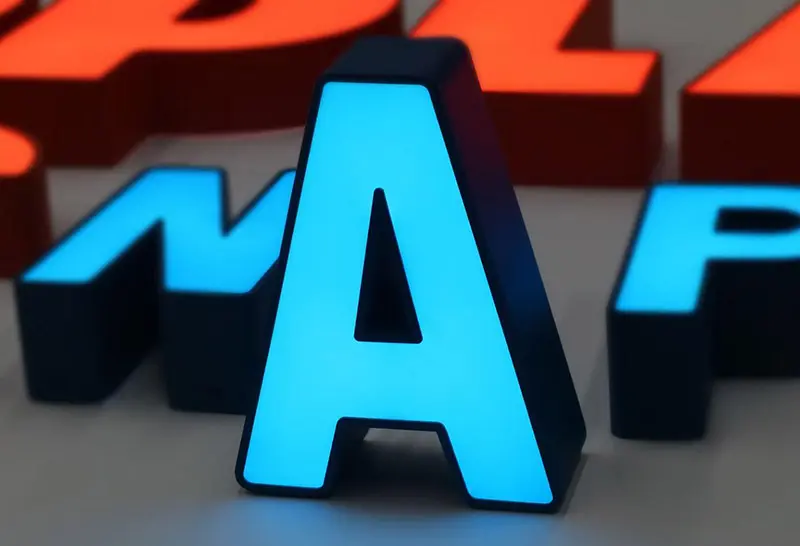
According to the latest data from the Global Retail Environment Design Association (GREDA), a well-executed light box character solution doesn't just look good—it can actually boost store foot traffic by up to 38%. We aren't just talking about "lighting up a name"; we are talking about a total scene revolution.
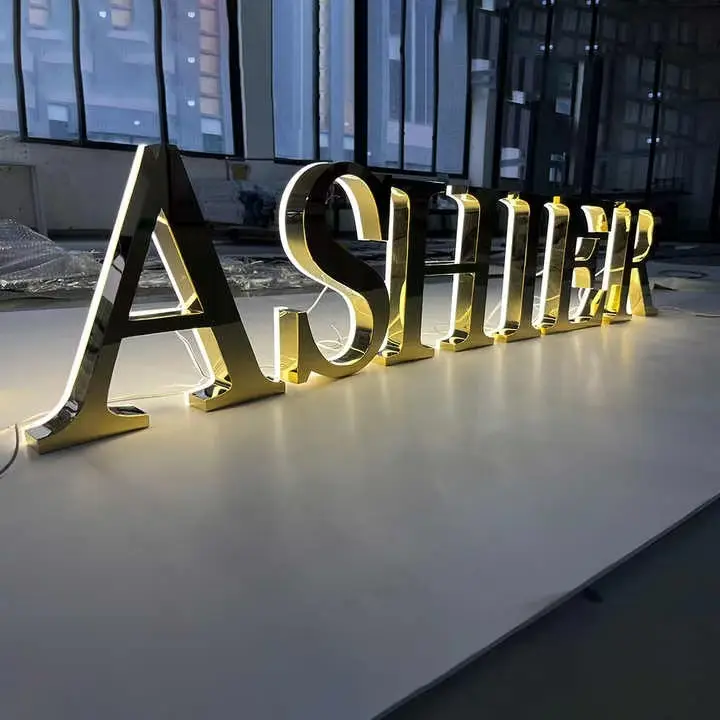
Here is how the industry is deploying led letters and backlit letters in 2026 to drive real commercial value.
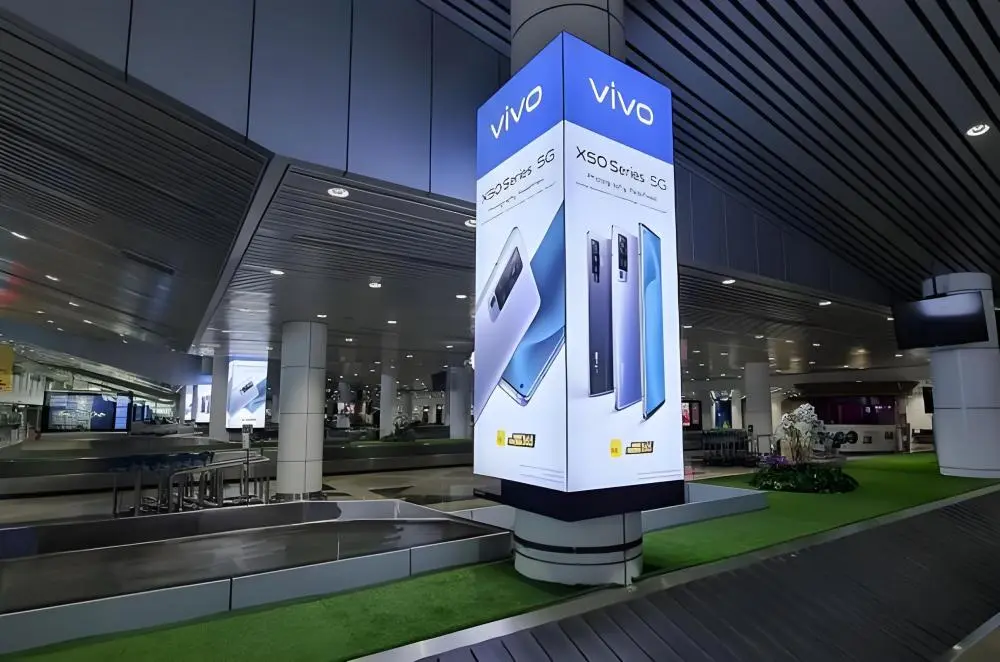
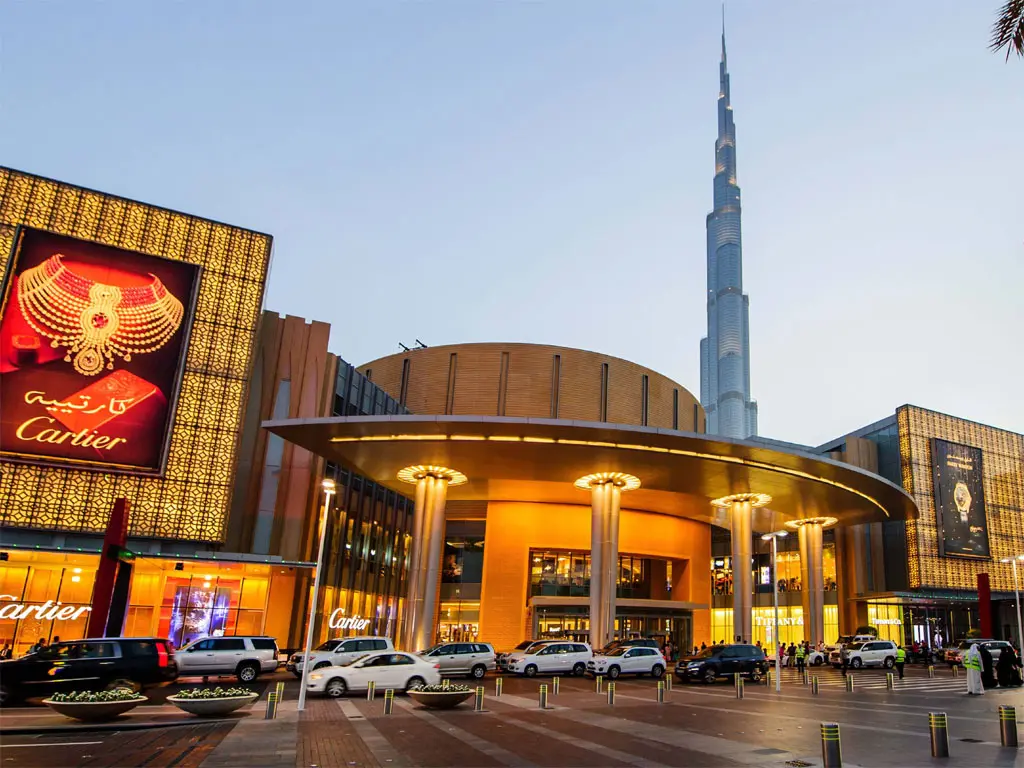
The New City Landmark: Ultra-Thin, Mega-Scale
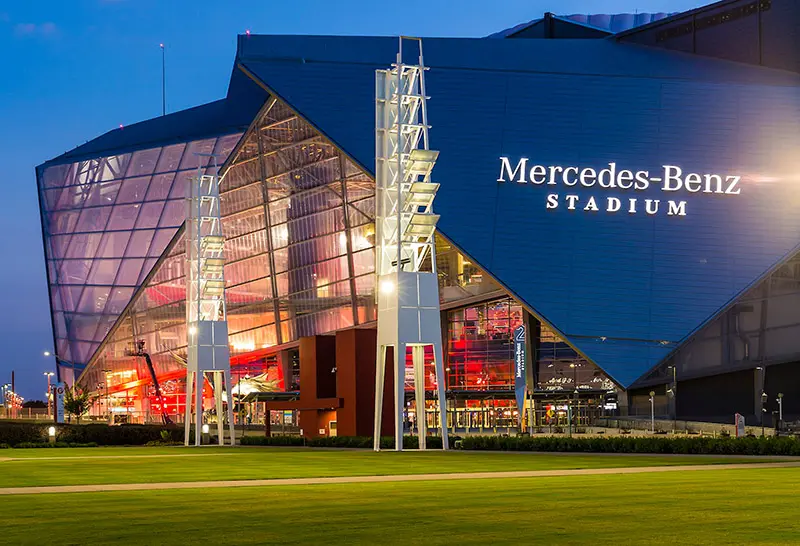
We are seeing a massive shift in how high-rise branding is handled. Gone are the days of heavy, dangerous metal boxes.
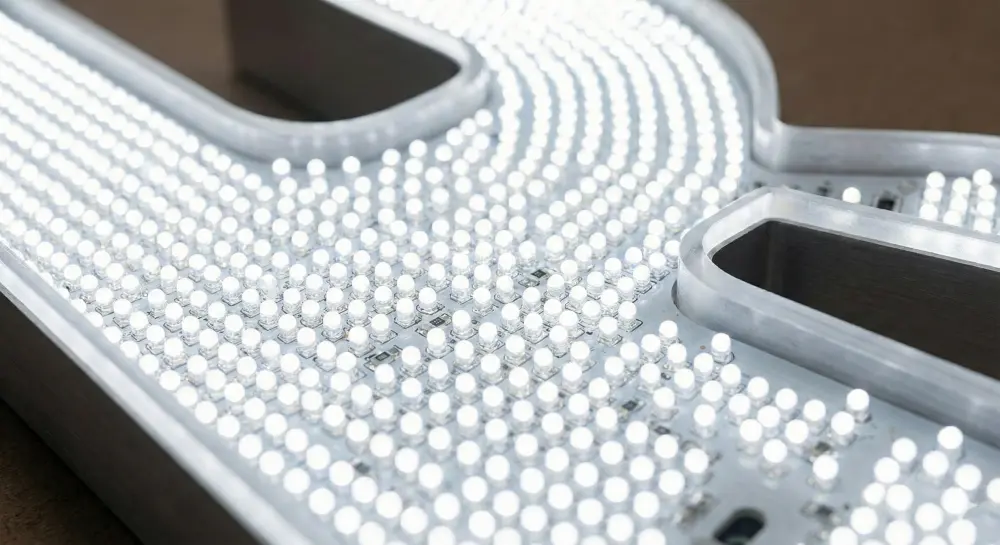
The Tech: By using 12mm ultra-thin metal frames and nano-light guide plates, a 200㎡ giant light box character now weighs only 80kg.
The Performance: This isn't just about weight; it's about survival. These new-gen led letters are tested to withstand Level 16 typhoons, making them the new standard for the Shanghai North Bund and other skyscraper-heavy skylines.
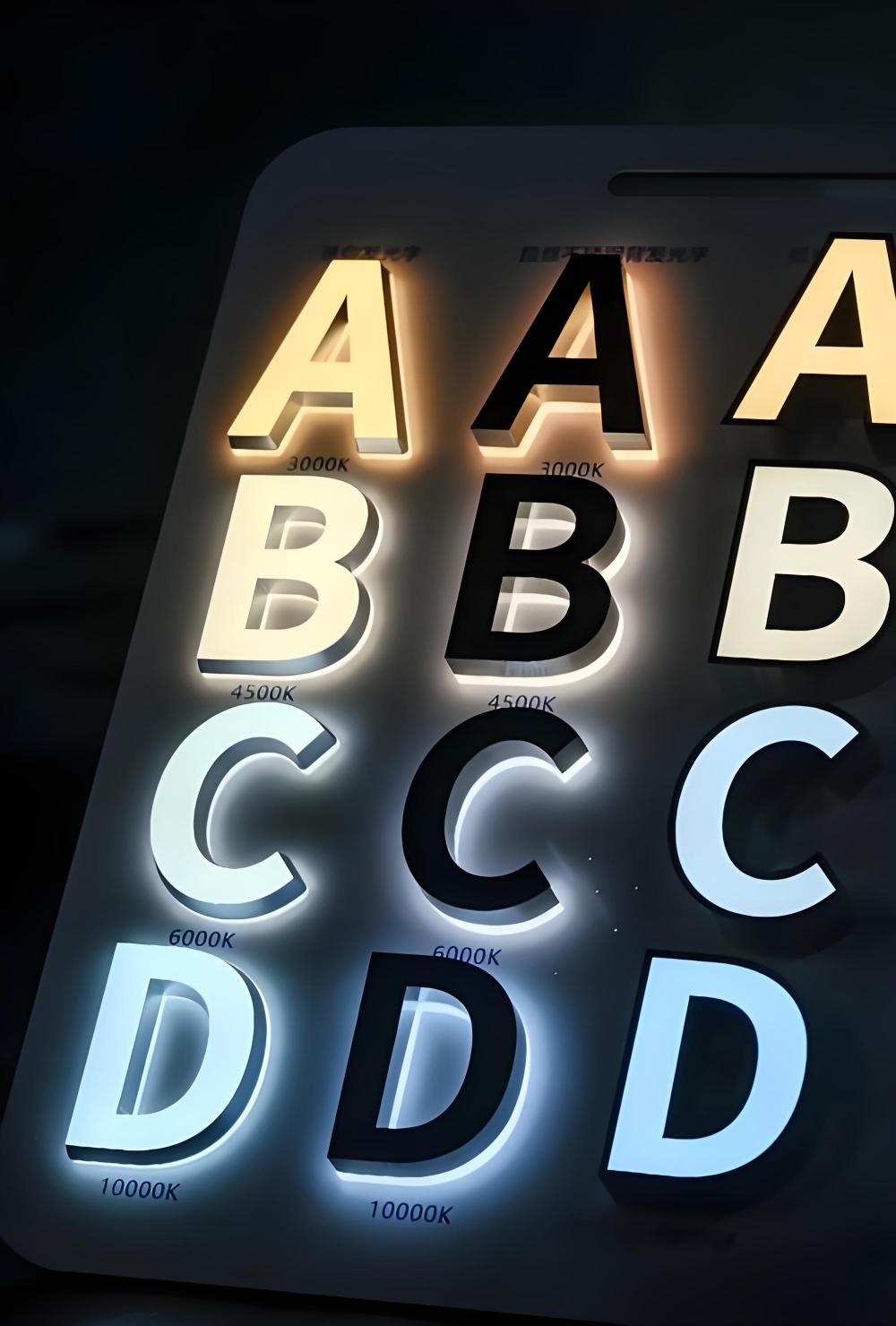
Retail Decisiveness: Emotional LED Systems
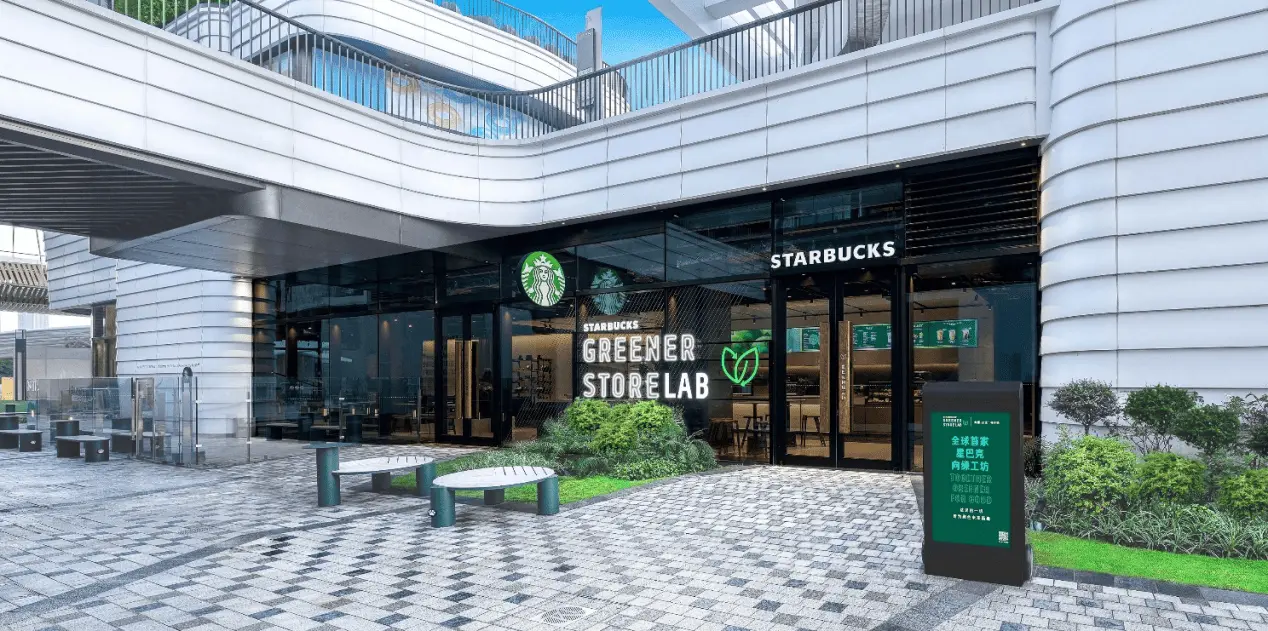
Smart retail isn't just about the shelves; it's about the lighting.
Scenario: Modern backlit letters are now being integrated with heat-map sensors. If a store is crowded, the color temperature automatically shifts from a cozy 2000K to a bright, high-energy 8000K to keep energy high.
The "Wow" Factor: Some flagship stores are even using RFID-linked led letters. When a customer picks up a specific product, the sign above them changes its "glow" pattern to highlight the item. It's interactive marketing at its most subtle.
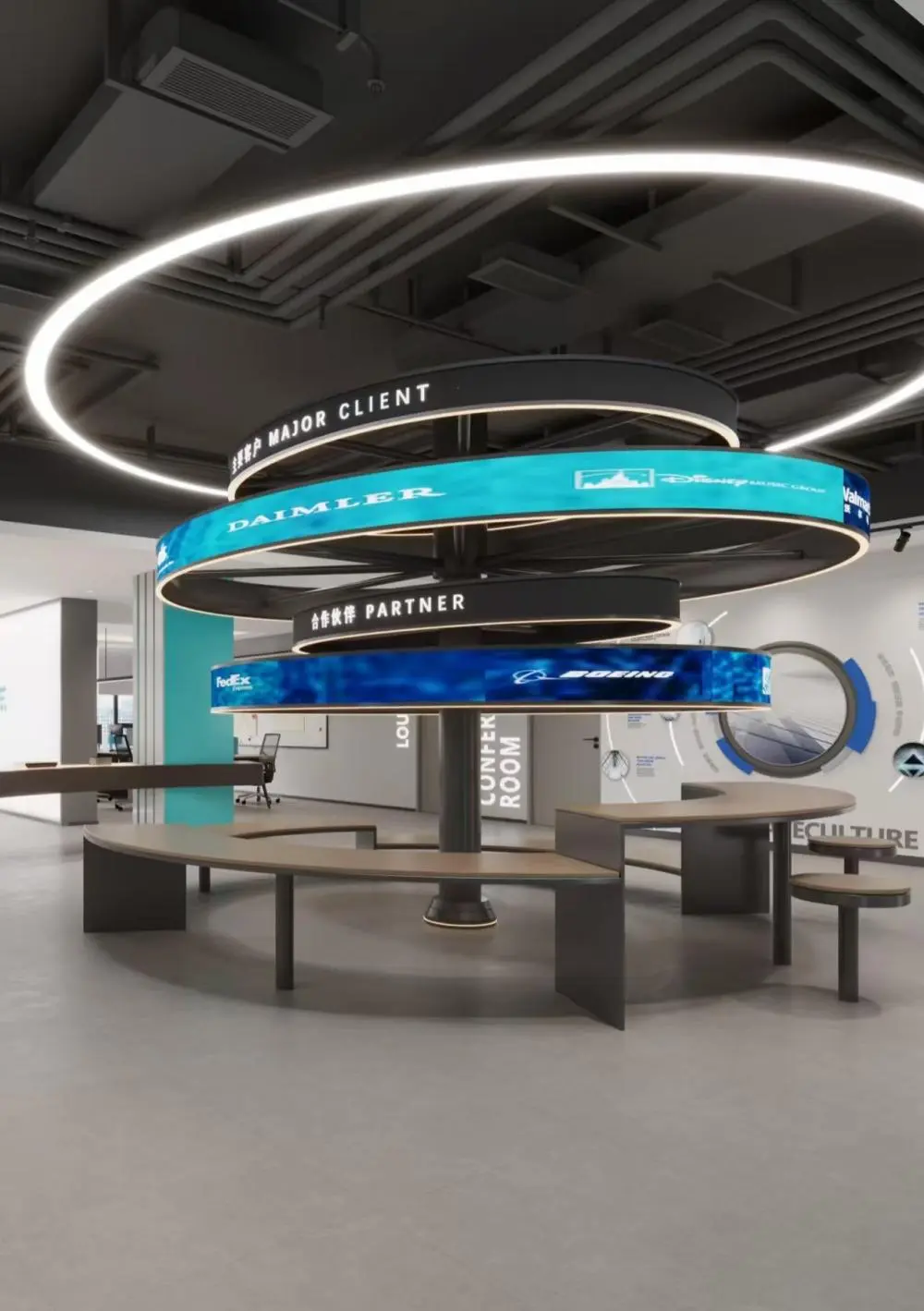
Transit Hubs: 360° Wayfinding
In airports and train stations, visibility is a safety requirement.
Innovation: Traditional signs have a 280° "blind spot." The newest light box character designs use a 360° annular luminous structure.
AI Integration: With embedded millimeter-wave radar, these signs "sense" the crowd density. If a terminal gets too packed, the sign brightness adjusts or the content shifts to guide people toward less crowded exits. Shenzhen T3 Airport saw a 67% drop in manual passenger inquiries after switching to this "smart" matrix.
Entering the Metaverse: The NFT-Linked Logo
For brands like Nike and luxury fashion houses, the physical sign is now a digital gateway.
The Tech: By scanning the backlit letter with a phone, customers enter an AR (Augmented Reality) showroom.
Blockchain Reliability: These signs are even being linked to NFTs. If the physical logo is damaged or vandalized, the blockchain record acts as proof for automatic insurance claims—a huge step forward for digital-physical asset management.
Step into the Future of Branding: Your sign shouldn't just sit there—it should work for you. Would you like me to help you draft a 3D simulation brief for a specific