




Forget Everything You Know About Signs: The 2026 "LED Letter" Shake-up
Let's be honest: the signage market has been pretty stagnant for a decade. Most shops are still just bending metal and sticking LEDs inside. But according to the latest "2026 Illuminated Design White Paper," we're hitting a wall where "standard" just doesn't cut it anymore.
If you're still buying basic plastic boxes, you're already behind. Here are five shifts in led letter and backlit letter tech that are actually happening right now.
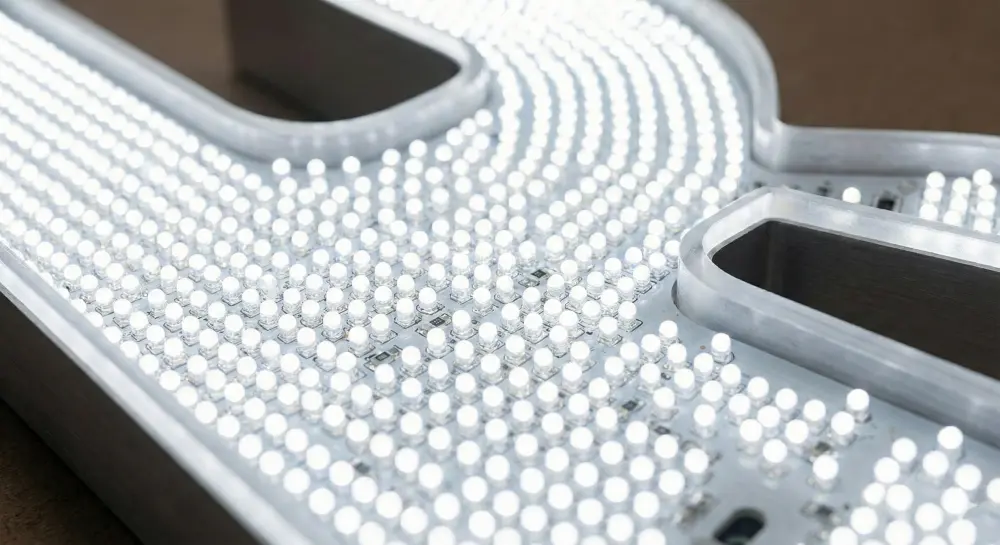
The "Living" Sign (Bio-Luminescence)
We aren't just talking about green-colored plastic. We're seeing a real move toward Eco-fluorescence. Designers are literally embedding living moss or microalgae into the cavities of backlit letters.
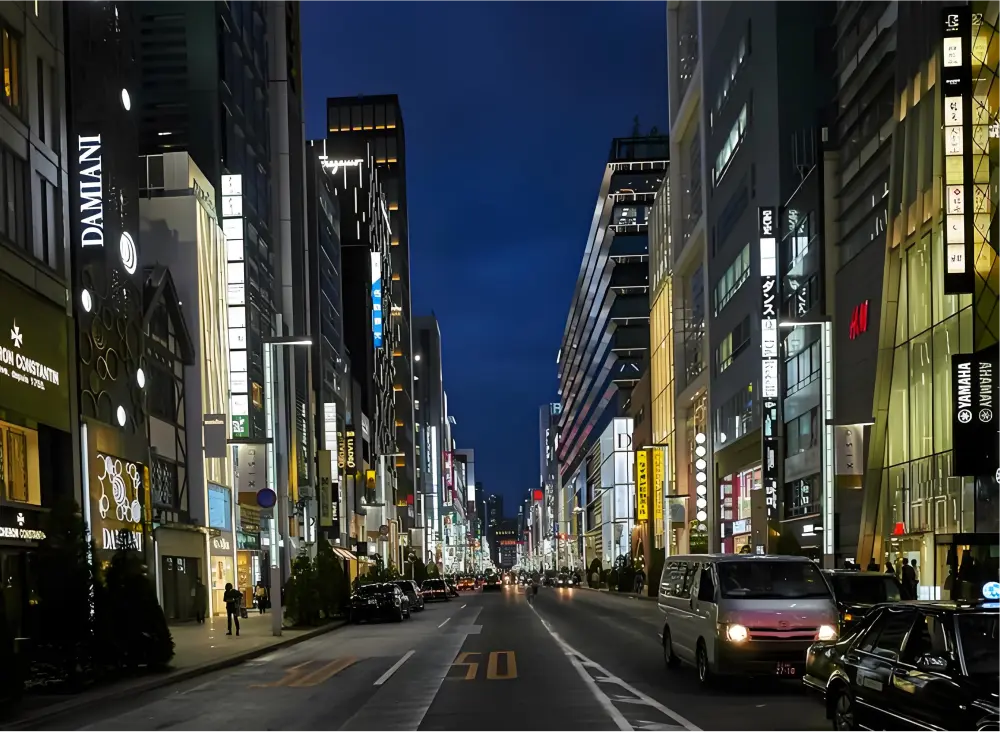
2. Moving Metal: Magnetic Fluid Fonts
Static is boring. The high-end retail world (think Ginza or Fifth Avenue) is moving toward topological deformation. Instead of solid acrylic, these custom led letters use ferromagnetic fluid controlled by a hidden electromagnetic grid.
The "Solid Metal" Glow (Nano-Tech)
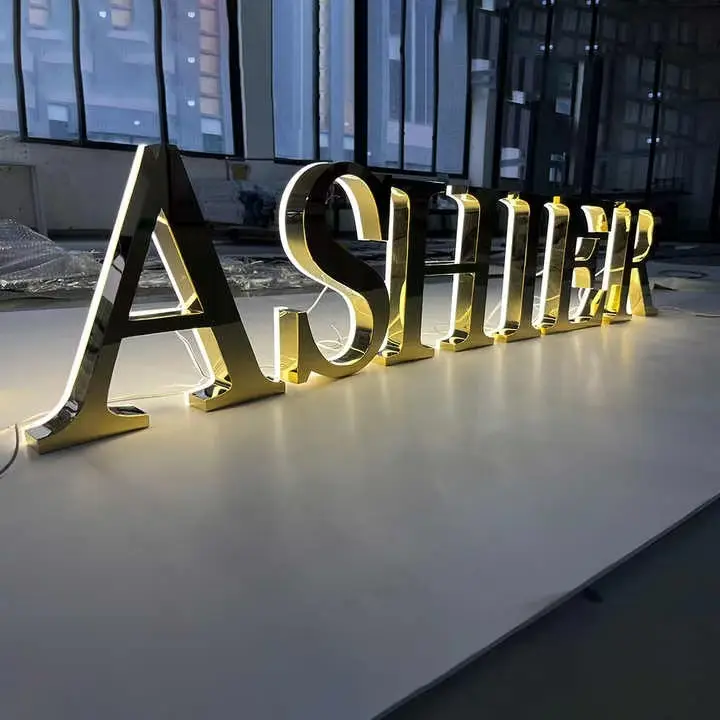
For years, the industry pain point was: "I want a sign that looks like solid, heavy stainless steel, but it has to light up." Usually, you'd have to use a plastic face or a clunky halo. Not anymore.