Top 10 Indoor Signs You Need for Effective Navigation in Your Space
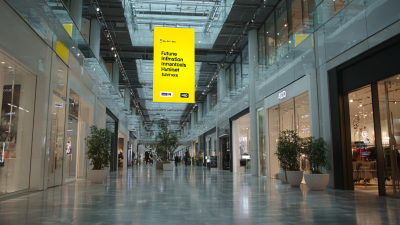
In the realm of effective navigation within various spaces, the role of Indoor Signs cannot be overstated. As we navigate through busy facilities, whether they are hospitals, malls, or corporate offices, clear and strategically placed signs guide us towards our destinations with ease. According to signage expert Sarah Mitchell, “Effective indoor signage is not just about decoration; it’s about creating an environment where people can find their way without frustration.” Her insight highlights the importance of thoughtful indoor signage that serves both functional and aesthetic purposes.
The significance of Indoor Signs transcends simple direction-finding; they enhance the overall experience and efficiency of any indoor environment. In today's fast-paced world, miscommunication and confusion can lead to unnecessary stress. Thus, having the right signs in place is essential for ensuring visitors can navigate safely and quickly. From directories that outline floor plans to clear labeling of rooms and facilities, each sign plays a crucial role in facilitating movement and decision-making.
As we delve into the top 10 indoor signs you need for effective navigation, we will explore how these elements not only direct traffic but also improve the atmosphere of any space, making it more user-friendly for all who enter.
Essential Indoor Signage Types for Navigation Clarity
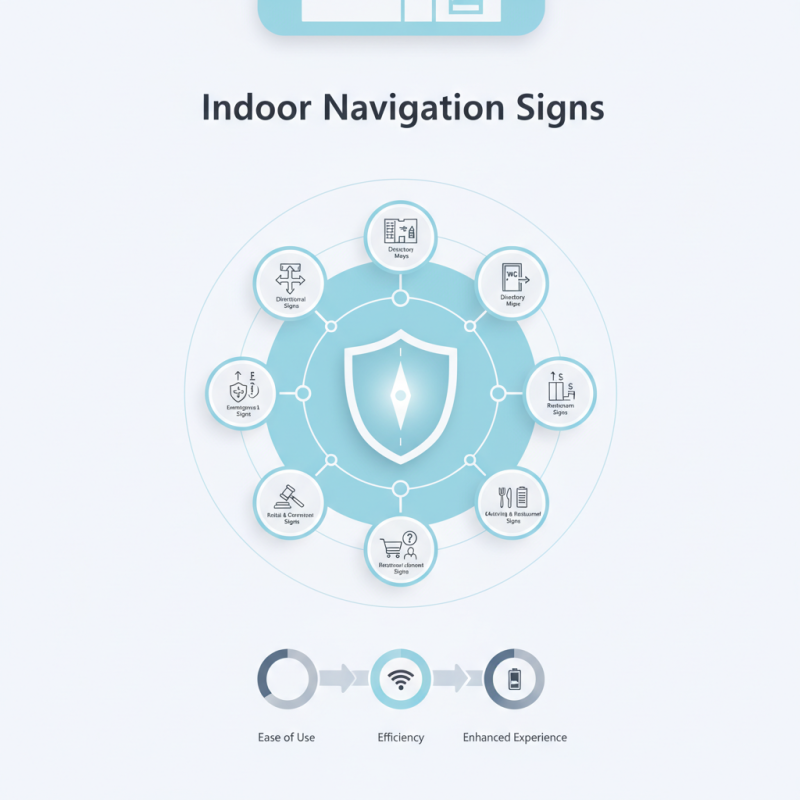
Effective indoor signage is vital for navigating large or complex spaces, whether in a business, school, or public facility. Clear and well-placed signs can significantly enhance a visitor's experience by directing them to important areas efficiently. One essential type of signage is directional signs, which guide individuals towards key locations like restrooms, exits, and conference rooms. These signs typically utilize arrows and clear labeling, ensuring that the information is immediately understandable, even at a quick glance.
Another vital category is informational signs, which provide context and details about specific areas or services within the location. These might include maps of the facility or explanations of rules and protocols. While directional signs focus on the pathways, informational signs enrich the visitor's understanding of their surroundings, making navigation more intuitive.
Additionally, wayfinding signs, which combine elements of both directional and informational signage, can help integrate the various components of a space, leading to enhanced clarity and a more seamless experience for individuals within the environment. Together, these types of indoor signage ensure that navigation is straightforward and stress-free.
Importance of Clear Directional Signs in Indoor Environments
In indoor environments, clear directional signs play a crucial role in enhancing navigation and ensuring that individuals can easily find their way around. Whether in a shopping mall, office building, or hospital, effective signage contributes to a seamless experience by eliminating confusion and directing foot traffic. Well-designed signs improve overall safety and accessibility, especially for those who may be unfamiliar with the space.
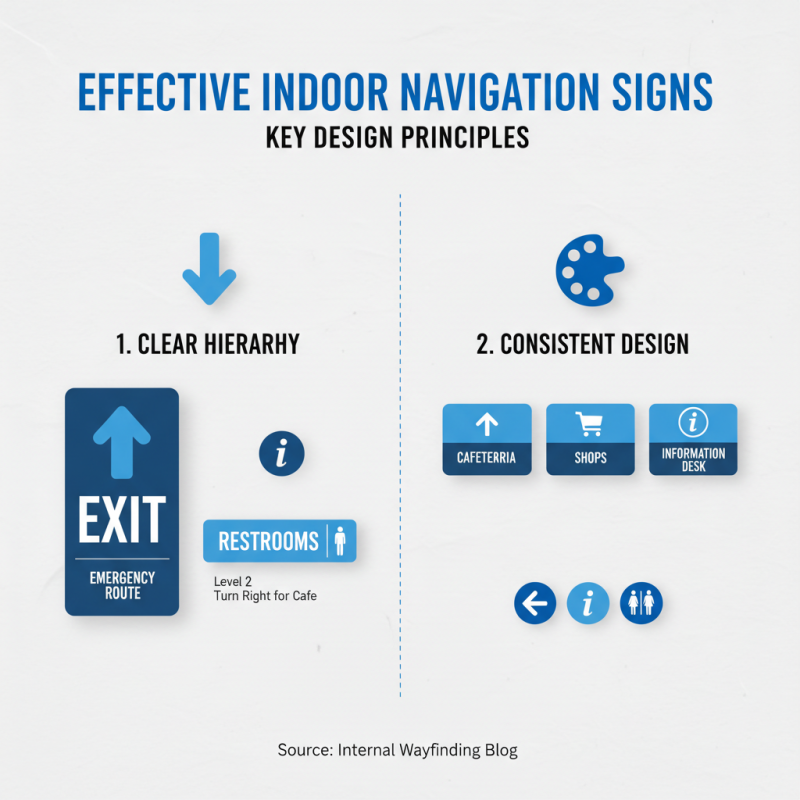
To maximize the effectiveness of your indoor signs, it’s vital to consider their placement. Place signs at eye level and ensure they’re visible from a distance. This allows people to notice them without needing to search for direction. Additionally, using universally recognizable symbols and straightforward text can significantly aid comprehension, making navigation intuitive for all visitors.
Another essential tip is to maintain a consistent design across all signs. Employing a cohesive color scheme and font style helps create a recognizable visual pathway, reinforcing directional guidance. Regularly update signs to reflect any changes in layout or services, preventing outdated information from leading to misunderstandings. By prioritizing clarity and consistency in your indoor signage, you can create an environment that feels welcoming and easy to navigate.
Top 10 Indoor Signs You Need for Effective Navigation in Your Space
Best Practices for Designing Effective Indoor Navigation Signs
Designing effective indoor navigation signs is crucial for enhancing user experience and ensuring easy navigation within a space. One of the best practices is to maintain a clear hierarchy in sign design. This involves using larger fonts for primary information, such as directional arrows or important landmarks, while secondary details can be in smaller sizes. Consistent color schemes and symbols also play a vital role, as they help users quickly associate certain colors or shapes with specific types of information, eliminating confusion and facilitating intuitive navigation.
Another key aspect is the strategic placement of signs. Signs should be positioned at eye level and placed at decision points throughout a space, such as intersections or doorways. This allows individuals to understand their options at a glance without needing to hunt for information. Additionally, incorporating tactile elements such as braille or raised characters can make navigation accessible for visually impaired individuals. Ensuring that signs are well-lit and free from obstructions further enhances visibility, enabling all users to easily follow directions and reach their destinations with confidence.
Key Locations for Placing Indoor Navigation Signs
Effective indoor navigation is essential for enhancing the visitor experience in any space, whether it be an office, hospital, or shopping mall. Properly placed navigation signs not only guide individuals but also help reduce confusion and anxiety. Key locations for placing these signs include entrances, elevators, and stairwells. At entrances, clear directional signage can set the tone for navigation, providing immediate guidance on where to find facilities such as restrooms, information desks, or exits.
Additionally, placing signs near elevators and stairwells is vital, as these are key junctions where decisions need to be made. Directional signs indicating floor levels and the locations of various departments or services should be easily visible. It's also beneficial to place wayfinding signs at pivotal intersections or T-junctions within the space, allowing individuals to quickly orient themselves and understand the layout of the building. By strategically positioning signs in these critical areas, organizations can ensure that visitors navigate their environments with confidence and ease.
Top 10 Indoor Signs You Need for Effective Navigation in Your Space
| Sign Type |
Key Locations |
Purpose |
Design Considerations |
| Welcome Sign |
Entrance |
Invite and inform visitors |
Bright colors, clear font |
| Directional Sign |
Hallways |
Guide to facilities |
Arrows, contrasting colors |
| Restroom Sign |
Near restrooms |
Indicate male and female |
Universal symbols, clear labels |
| Exit Sign |
Exits and fire escape areas |
Ensure safety during emergencies |
Brightness, visibility |
| Information Kiosk |
Lobby or main area |
Provide general information |
User-friendly design |
| Room Number Signs |
Hallways |
Identify rooms |
Consistent numbering style |
| Safety Signage |
Work areas |
Warn of hazards |
Standard symbols, bright colors |
| Digital Directory |
Main entry points |
Interactive navigation |
Touchscreen functionality |
| Hours of Operation Sign |
Entrance |
Inform about open times |
Clear, legible font |
| Emergency Contact Sign |
Common areas |
Quick reference for emergencies |
Prominent display |
Utilizing Digital Displays for Enhanced Indoor Navigation Experience
In today's world, effective indoor navigation is essential, particularly in large or complex spaces such as airports, malls, and corporate offices. Digital displays have emerged as a pivotal tool in enhancing the navigation experience, offering dynamic content that can be easily updated to reflect real-time information. These displays can provide clear, visually engaging directions, event schedules, and important notifications, ensuring that visitors and staff can navigate the space with confidence and ease.
Moreover, digital displays can utilize interactive features that allow users to engage directly with navigation tools. Touchscreens can enable users to input their desired destinations and receive customized route guidance. This interactivity not only empowers users to find their way but also enhances their overall experience within the environment. By integrating digital signage with user-friendly interfaces, spaces can significantly reduce confusion and improve foot traffic flow, ultimately leading to a more organized and efficient setting.
By prioritizing the use of digital displays for indoor navigation, facilities can not only provide immediate assistance but also adapt to changing needs over time. Whether updating information for special events or adjusting wayfinding graphics to reflect new store layouts, digital signage stands out as a versatile solution for modern navigation challenges. This adaptability ensures that indoor spaces remain user-focused and accessible to all, creating a seamless journey for everyone who enters.