Top Office Signage Trends to Follow in 2025 for Effective Workplace Communication
In the rapidly evolving landscape of workplace design, effective communication remains paramount. One of the key elements facilitating this communication is office signage, which not only conveys essential information but also enhances the overall aesthetic of the office environment. As we set our sights on 2025, it is crucial to explore the emerging trends in office signage that will shape the way we interact within our workplaces.
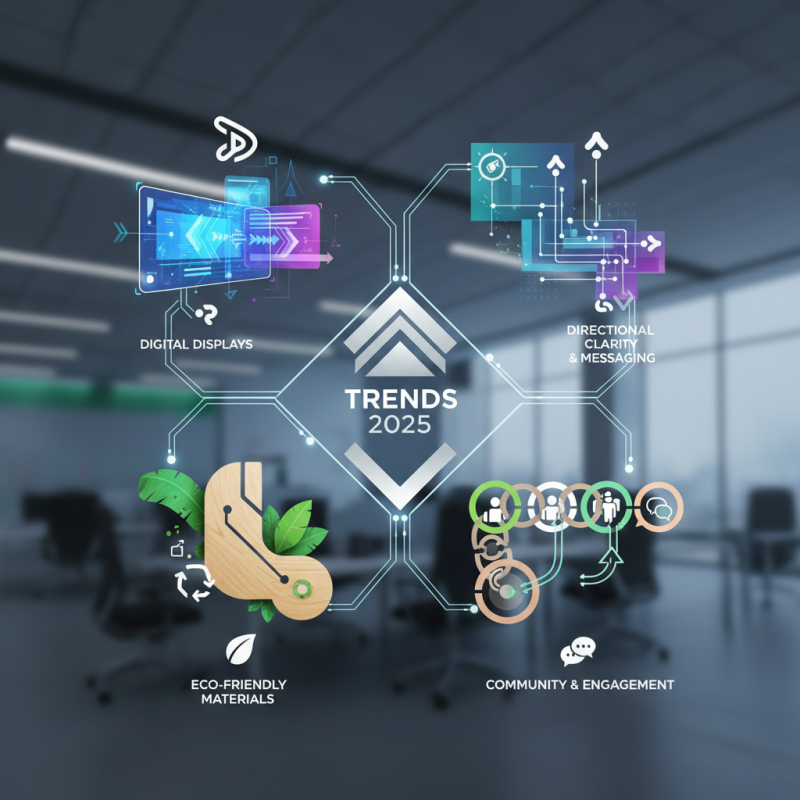
From digital displays to eco-friendly materials, the trends in office signage are becoming increasingly innovative and reflective of the changing needs of employees and organizations alike. These advancements not only aim to improve directional clarity and organizational messaging but also to foster a sense of community and engagement among staff. By understanding these trends, businesses can create a well-informed environment that prioritizes effective workplace communication, ultimately leading to enhanced productivity and morale.
In this article, we will delve into the top office signage trends of 2025, highlighting how these elements will redefine the workplace experience. Whether it’s through the integration of technology or the use of sustainable resources, the future of office signage promises to be a pivotal aspect of workplace design and communication strategies.
Emerging Technologies in Office Signage for Enhanced Communication
The landscape of office signage is rapidly evolving, driven by advancements in technology that enhance workplace communication. In 2025, we can expect to see a surge in digital signage solutions that allow for real-time updates and interactive content. Touchscreen displays, for instance, will provide employees and visitors with easily accessible information, improving navigation within the office environment. These technologies not only streamline communication but also foster a more engaging atmosphere, encouraging collaboration among teams.
To thrive in this new era, organizations should consider integrating smart technology into their signage systems. This could include using sensors that adapt messages based on audience presence or creating mobile-responsive displays that can be accessed directly from employees’ devices. Implementing these features will not only boost efficiency but also ensure that communication remains relevant and timely.
Tips: To maximize the effectiveness of your office signage, invest in training sessions for employees on how to use new technologies. This ensures that everyone is on the same page and can fully utilize the tools available to them. Additionally, regularly updating signage content and soliciting feedback from users can help tailor the information to meet the evolving needs of the workplace. By staying proactive in these areas, companies can create a more communicative and connected work environment.
Sustainable Materials and Eco-Friendly Practices in Signage Design
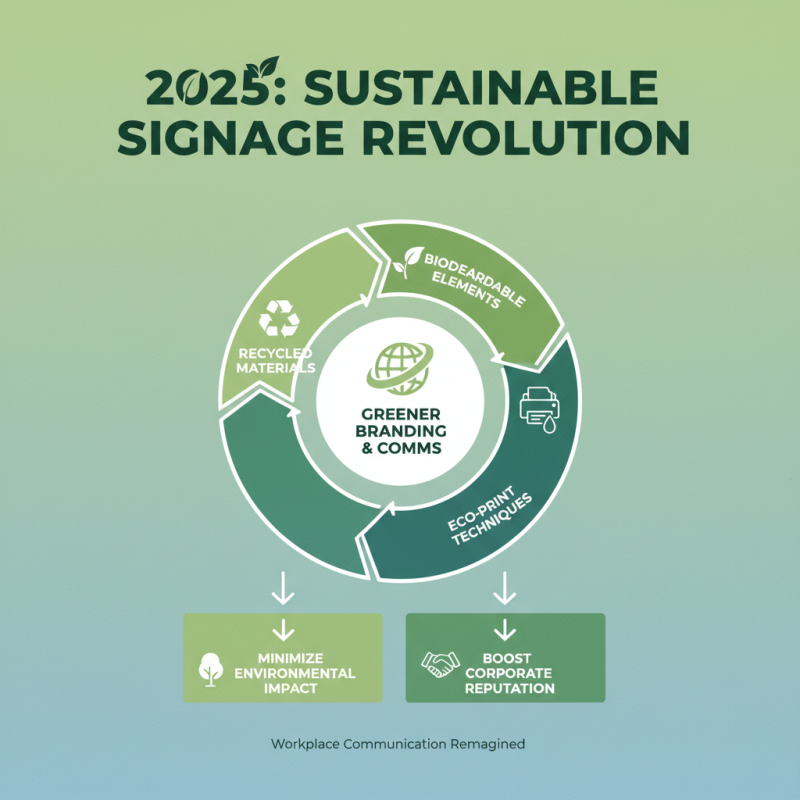
In 2025, the emphasis on sustainable materials and eco-friendly practices in signage design will reshape workplace communication strategies. Organizations are increasingly recognizing the importance of sustainability, not only in their operations but also in their branding and communication methods. The use of recycled materials, biodegradable elements, and sustainable printing techniques will not only minimize environmental impact but also enhance corporate reputation among environmentally conscious employees and clients.
Incorporating greenery into office signage, such as using living walls or planters adorned with directional or informational signs, reflects a commitment to eco-friendly practices. Additionally, digital signage offers a dynamic and paperless solution that reduces waste while providing real-time information to employees. By integrating technology with sustainability, companies can create engaging work environments that prioritize both effective communication and environmental stewardship, fostering a culture of responsibility and awareness within the workplace.
Personalization and Customization Trends in Workplace Signage
In 2025, the trend toward personalization and customization in workplace signage is set to redefine how companies communicate within their offices. Businesses are increasingly recognizing that signage is not just a functional element but a vital part of their branding and culture. According to a recent industry report by the American Signage Association, over 70% of organizations reported that personalized signage has significantly improved employee engagement and contributed to a more inclusive workplace environment. By tailoring signage to reflect the company's values and the diverse backgrounds of staff members, organizations can create a sense of belonging and enhance overall morale.
Moreover, the customization of workplace signage extends beyond aesthetics. Interactive signage solutions that incorporate digital technology are becoming more popular, allowing for real-time updates and personalized messages. As noted by the Digital Signage Federation, companies utilizing personalized digital signage have seen a 40% increase in employee communication effectiveness. This approach not only fosters a dynamic environment but also encourages collaboration and information sharing among team members, amplifying the impact of workplace communication strategies. The trend of personalization in signage reflects a broader move towards creating adaptable and responsive workplaces that meet the needs of their workforce, ultimately leading to improved productivity and satisfaction.
Integrating Digital Displays for Real-Time Information Sharing
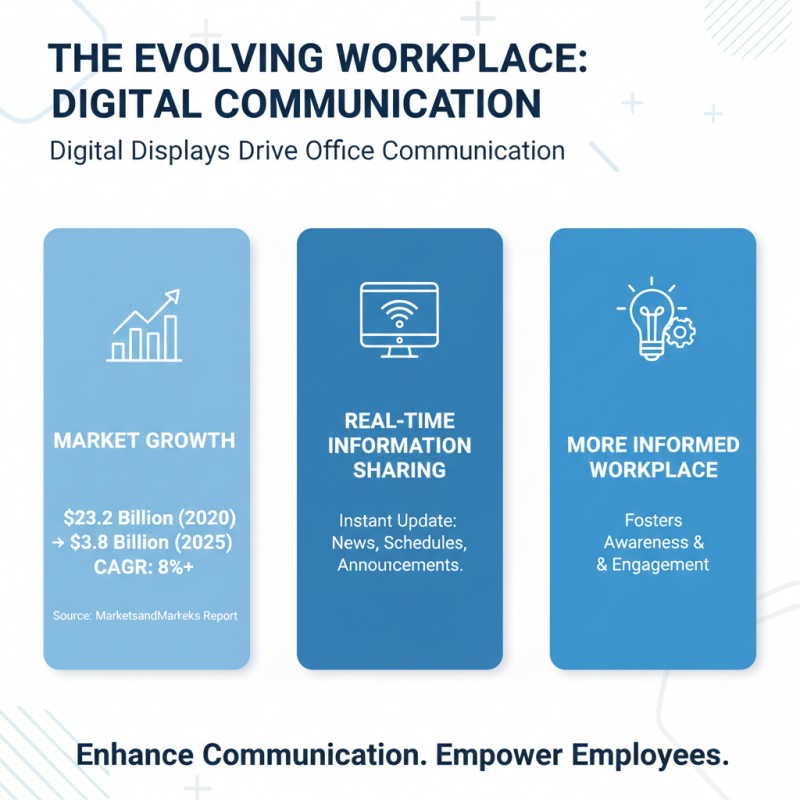
The integration of digital displays in workplace environments is becoming increasingly crucial for effective communication in offices. According to a report by MarketsandMarkets, the digital signage market is expected to grow from $23.2 billion in 2020 to $33.8 billion by 2025, reflecting an annual growth rate of over 8%. This surge indicates that businesses recognize the importance of real-time information sharing. By utilizing digital displays, organizations can instantly update employees about critical news, changes in schedules, or internal announcements, fostering a more informed workplace.
Moreover, research from the Digital Signage Federation highlights that 84% of consumers remember the content displayed on digital signs, demonstrating the efficacy of this communication tool. In office settings, real-time data sharing via digital displays not only enhances engagement but also supports better decision-making. As remote and hybrid work models continue to evolve, integrating digital displays can bridge communication gaps, ensuring that all team members, whether onsite or remote, stay connected and informed. Emphasizing visual communication, companies increasingly turn to digital signage, empowering their workforce and enhancing overall productivity.
Cohesive Branding Through Consistent Signage Strategies in Offices
In the evolving landscape of office environments, cohesive branding through consistent signage strategies is becoming increasingly vital for effective workplace communication. According to a recent report by the International Sign Association, 75% of customers form an opinion about a business based on its signage. This statistic underscores the importance of ensuring that all office signage reflects the brand's identity and values consistently. In 2025, businesses are expected to integrate advanced technologies, such as digital displays and interactive signage, to elevate their branding efforts and enhance employee experiences.
Moreover, the trend towards open office spaces emphasizes the need for clear communication through effective signage. A study published by the American Institute of Architects highlights that well-designed signage can significantly improve workplace navigation and reduce confusion, boosting employee productivity by up to 15%. By implementing a cohesive signage system that aligns with the brand’s visual identity, companies can create a unified aesthetic that promotes inclusivity and engagement among employees. As more organizations recognize the impact of cohesive branding through signage, they'll likely invest in tailored solutions that improve not only their internal communication but also their overall market presence.
Top Office Signage Trends to Follow in 2025