Top Light Signs That Illuminate Your Space and Enhance Your Decor?
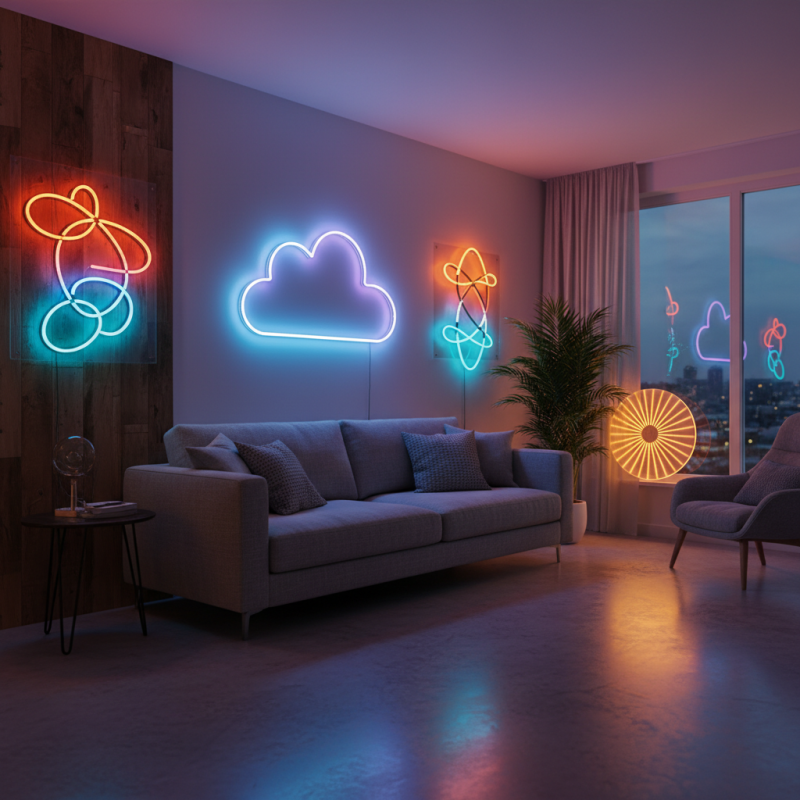
Light signs are more than mere decorations; they add character. Illuminating your space, they create a warm atmosphere. Whether in a cozy corner or a vibrant living room, light signs draw attention. Striking combinations of colors and fonts catch the eye instantly.
Decorating with light signs requires creativity. You can use them in various ways. Positioning them strategically can enhance the mood and aesthetic. However, some may feel overwhelmed choosing the right sign. Consider the message you want to convey. Simplicity often works best. Still, overthinking can lead to missed opportunities for delightful accents.
While light signs can elevate decor, they must suit your style. Balancing brightness with subtlety is essential. A well-placed light sign can shift energy. Yet, some might shy away, fearing it could clash with existing decor. Embrace the challenge of experimenting. You might discover unexpected harmony in your space.
Top Benefits of Ambient Lighting in Interior Design
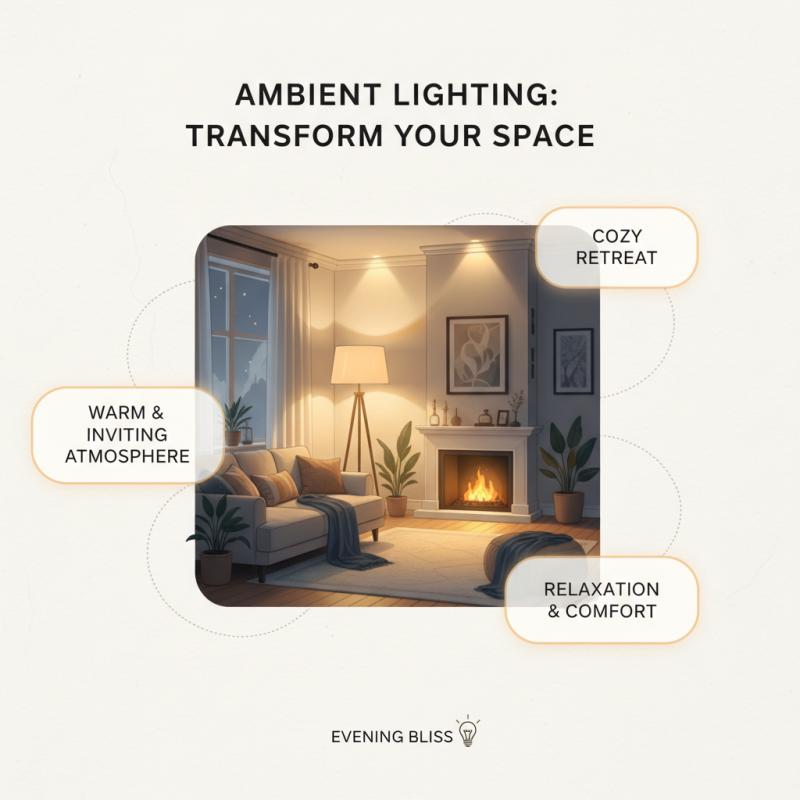
Ambient lighting plays a crucial role in interior design. It creates a warm and inviting atmosphere in any space. The right lighting can transform a dull room into a cozy retreat. Soft, diffused light often evokes feelings of relaxation and comfort. Imagine a living room bathed in gentle light, perfect for a quiet evening.
Moreover, ambient lighting emphasizes the room's features. It highlights artwork on the walls or decorative elements. Well-placed fixtures can draw attention to architectural details. Think about how a warm glow around a fireplace can enhance its charm. However, finding the right balance can be challenging. Too much light can feel harsh, while too little may leave a space feeling unwelcoming.
The versatility of ambient lighting is another benefit. It can adapt to different moods and occasions. Use dimmable lights for parties, or a softer glow for intimate dinners. It allows for personal expression in home decor. Yet, sometimes, it’s easy to overlook lighting choices. This can lead to missed opportunities to improve a room’s aesthetic. Careful consideration can make all the difference.
Types of Light Fixtures That Enhance Home Aesthetics
Lighting can transform a room. The right fixtures enhance your home's aesthetic appeal. Ceiling lights, for example, are functional. They can also serve as statement pieces. A bold chandelier can captivate attention. Pendant lights above a kitchen island create a warm atmosphere. These fixtures add depth and character to any space.
Wall sconces are another excellent option. They illuminate your walls and draw the eye upward. However, placement is key. Misalignment can disrupt the balance. Table lamps are versatile too. Place them on side tables for a cozy feel. They come in various styles, from minimalist to vintage, enabling personal expression.
Don’t forget floor lamps. They can fill empty corners while providing ambient light. Some designs are tall, others slender. A handmade piece can give your room uniqueness. Remember, lighting should not be an afterthought. It influences mood and functionality. Choosing the right fixtures can be both rewarding and challenging. Keep experimenting until you find the perfect balance.
Top Light Signs That Illuminate Your Space and Enhance Your Decor
| Type of Light Fixture |
Style |
Material |
Ideal Room |
Lighting Type |
| Chandeliers |
Elegant |
Crystal |
Dining Room |
Ambient |
| Table Lamps |
Contemporary |
Ceramic |
Living Room |
Task |
| Wall Sconces |
Rustic |
Metal |
Hallway |
Accent |
| Floor Lamps |
Minimalist |
Wood |
Study Room |
General |
| Pendant Lights |
Industrial |
Glass |
Kitchen |
Task |
| Recessed Lighting |
Modern |
Aluminum |
Living Room |
Ambient |
Impact of Color Temperature on Mood and Ambiance
Lighting plays a vital role in shaping our mood and ambiance. The color temperature of light affects how we feel in a space. Warm light, around 2700K, creates a cozy atmosphere. It is inviting and makes us feel relaxed. Cold light, about 5000K, enhances alertness. This type of light is ideal for working environments.
Choosing the right color temperature can transform your home. For instance, in the living room, softer tones can encourage conversation and relaxation. In contrast, a study area benefits from brighter, cooler lighting. It helps keep you focused and productive. Think about your daily activities when selecting lights.
Tips: Consider using dimmers. They can adjust the mood effortlessly. Layer your lighting; use ceiling fixtures, lamps, and wall lights. Experiment with different bulbs. Notice how they change your space. A small change can lead to a significant impact. Don’t overlook the natural light. It influences how artificial lighting feels in your environment.
Trends in Decorative Lighting: Styles and Materials
The right decorative lighting can transform a room. Recent studies show that 70% of consumers consider lighting a crucial element of their home decor. Various styles and materials are trending right now, making it easier to find the perfect fit for any space.
Metal fixtures are gaining popularity. They offer a sleek, modern look. According to industry reports, 45% of homeowners prefer metal lighting. This material is durable and versatile. On the other hand, natural materials like wood and rattan are making a comeback, appealing to those who favor a warmer, organic aesthetic.
Beyond materials, styles are evolving. Minimalist designs often feature clean lines and simplicity. However, eclectic styles are becoming more common, reflecting individual personalities. Some homeowners are taking risks with bold colors and shapes. Inspired lighting can evoke emotion and create a unique atmosphere. Yet, one must navigate the balance between personal taste and broader design trends.
Energy Efficiency of Modern Light Sources: A Statistical Overview
Energy efficiency in modern light sources is a critical consideration for homeowners.
According to recent industry reports, LED lights can save up to 80% in energy consumption compared to traditional incandescent bulbs.
This significant reduction impacts both our energy bills and environmental sustainability. As more consumers shift towards energy-efficient lighting,
the demand for LEDs continues to grow.
In addition to cost savings, energy-efficient light sources improve indoor environments. For instance, studies indicate that
LEDs emit less heat than incandescent bulbs. This characteristic means
reduced air conditioning costs in warmer months.
However, not all energy-efficient options are perfect. Some users report issues with color consistency and flickering.
These concerns can detract from an inviting atmosphere.
A focus on energy efficiency also encourages innovation. New technologies, such as smart lighting systems,
are emerging. They allow users to control intensity and color based on their preferences. Yet, there remains a challenge for many homeowners in
adapting to these advancements. Familiarity with older systems may hinder the transition to modern solutions,
highlighting the importance of education in lighting choices.