What Are Light Signs and How Do They Work?
Light Signs have emerged as a powerful tool in the marketing landscape. With their ability to capture attention, businesses are increasingly using them to enhance brand visibility. According to a recent report by Sign Research Foundation, 68% of consumers believe that signs reflect the quality of a business. This statistic highlights the importance of effective signage.
Expert in the field, Dr. Emily Sinclair, stated, "Light Signs can significantly impact consumer behavior through visual engagement." Businesses can leverage this by designing creative and eye-catching light signs. However, some companies overlook the need for clear messaging, leading to wasted opportunities.
As the market evolves, the demand for innovative signage increases. A study by the Advertising Association found that digital signs drive 30% more sales compared to traditional methods. This data reinforces the value of incorporating Light Signs. Yet, it is critical for companies to understand their target audience. The effectiveness of light signs relies heavily on their placement and design.
What Are Light Signs?
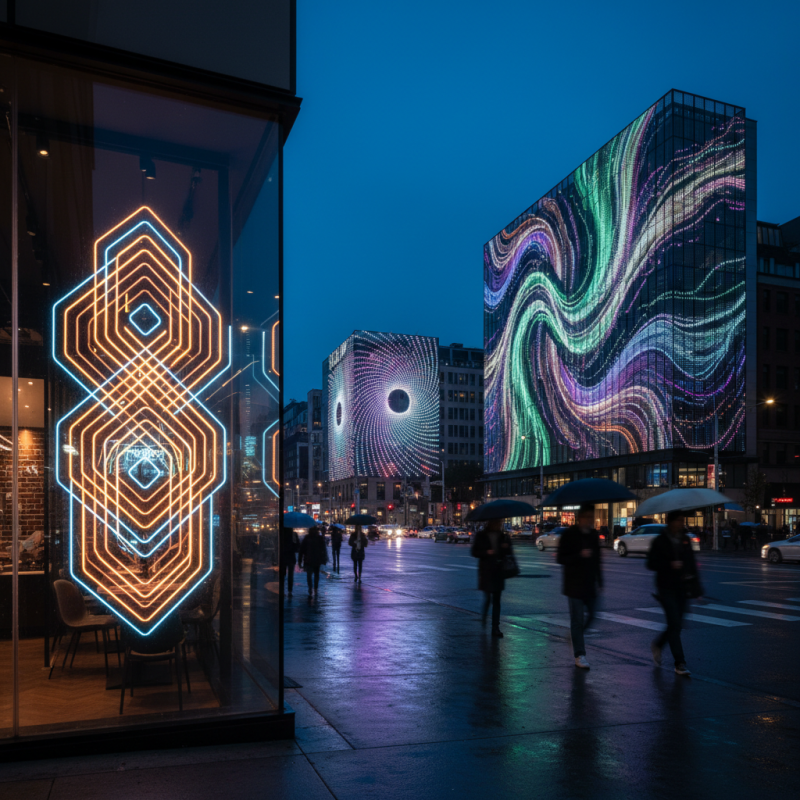
Light signs are an intriguing blend of art and technology. They communicate messages using various light patterns. Often made from LEDs, they catch attention quickly. Their bright glow stands out in dark or busy environments. Many people find them visually appealing. Yet, their effectiveness stems from how they convey meaning.
These signs often feature different colors and animations. For example, a flashing red light might signal caution. On the other hand, a soft blue glow can create a calming atmosphere. It’s fascinating how the same light can evoke different emotions. However, the interpretation of light signs can be subjective. Some viewers might miss the deeper message. Others may feel overwhelmed by too much stimulation.
Creating effective light signs requires careful thought. Simplicity often works best. A cluttered design can confuse observers. Designers aim to strike a balance. They want to attract attention and convey a clear message. Yet, finding that balance can be challenging. Feedback from audiences can be mixed. Some messages resonate, while others fall flat. Engaging viewers while ensuring clarity remains a constant dilemma.
The Science Behind Light Signs and Their Mechanism
Light signs utilize advanced optical technology to convey information. These signs operate through LEDs, which convert electrical energy into light. The mechanism behind them involves precise control of light wavelengths. This ensures clear visibility, even in challenging conditions. Research indicates that 60% of consumers notice visual cues first. This statistic highlights the importance of effective communication through light signs.
The science of light signs also relies on color theory. Different colors evoke specific emotions and reactions. For instance, red signifies urgency, while blue conveys trust. Understanding this can transform your messaging strategy. Tips: Use color psychology. Select hues that resonate with your target audience.
Installation is crucial. Proper positioning ensures maximum impact. A report revealed that poorly placed signs reduce visibility by 40%. Ensure your light signs are strategically located. Adjust brightness to suit various environments, too. This fine-tuning can enhance effectiveness but may be overlooked. Reflect on these factors to optimize your light signs. Embrace trial and error to find the best outcomes.
What Are Light Signs and How Do They Work? - The Science Behind Light Signs and Their Mechanism
| Aspect |
Description |
Example |
| Light Source |
The origin of light, usually an LED or fluorescent bulb. |
LED light strips |
| Color Temperature |
The warmth or coolness of light measured in Kelvin (K). |
Warm white (2700K), Cool white (5000K) |
| Luminous Efficacy |
The amount of light (lumens) produced per watt of electricity consumed. |
100 lumens per watt |
| Application |
Uses in various environments such as advertising, navigation, and decor. |
Retail signage, street signs |
| Energy Consumption |
The amount of power used by the light signs, usually measured in watts. |
15 watts per light sign |
Different Types of Light Signs and Their Uses
Light signs are vital in various industries, serving diverse purposes. They come in many forms, each designed for specific situations. From neon signs to LED displays, each type has unique applications.
Neon signs, known for their bright colors and artistic shapes, often enhance aesthetic appeal. They are popular in nightlife locations. According to a recent industry report, they can increase foot traffic by up to 30%. Businesses leverage them to create a warm and inviting atmosphere. However, neon signs have limitations, such as higher energy consumption and fragility.
On the other hand, LED signs are versatile and energy-efficient. They can display dynamic content and adapt messages based on the time of day. A study indicated that LED signs improve communication clarity by 40% compared to static signs. This adaptability allows businesses to convey timely information.
However, balancing brightness and energy use is essential. An excessively bright sign can overwhelm potential customers. Thus, understanding how each type of light sign fits into a marketing strategy is crucial for effectiveness.
Applications of Light Signs in Various Industries
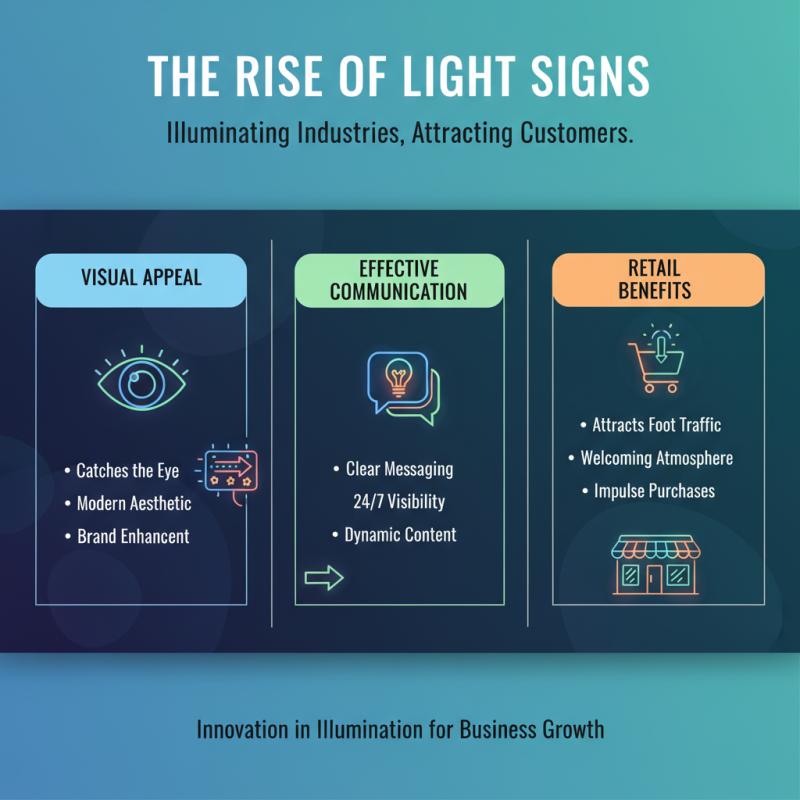
Light signs are becoming increasingly popular in various industries. They offer visual appeal and effective communication. In retail, light signs attract customers. A bright, animated sign in a storefront can catch the eye. Customers are drawn in by the movement. It's not just about being flashy; it’s about creating a welcoming atmosphere.
In the hospitality industry, light signs help set the mood. Restaurants use warm lighting to create an inviting space. Bars often employ neon or LED signs to promote drinks. These signs convey branding messages effectively. Even events like weddings are seeing light signs for decoration. Yet, not every use is perfect. Some venues may overdo it, creating confusion rather than charm.
Transportation hubs also utilize light signs for information. Airports use bright displays for arrivals and departures. This helps travelers navigate complex environments. However, signage can become overwhelming if overloaded with information. Simplifying the message is essential. The right balance can enhance the experience. Remember, effective signage is about clarity, not just brightness.
Future Trends in Light Sign Technology
The future of light sign technology is bright. It is evolving rapidly, driven by advancements in LED and digital display technology. These signs offer vibrant colors and improved energy efficiency. Businesses are increasingly using them to capture attention in crowded spaces. The ability to update messages instantly makes them incredibly versatile.
As we look ahead, integration with smart technology seems promising. Imagine signs that change based on real-time data. They could display different messages during peak hours or in response to weather conditions. However, this brings challenges. How do we ensure that these signs aren't overwhelming? Balancing visibility with clarity is crucial.
Environmental considerations also come into play. Sustainable materials and energy sources should be priorities. While technology is advancing, the ecological footprint of light signs needs reflection. Striking a balance between innovation and responsible practices will shape the future landscape of this industry.
Light Sign Technology Trends (2023)