What is Led Signs and How Do They Work?
LED signs have transformed how businesses communicate with their audience. These vibrant displays capture attention and convey messages effectively. According to Dr. Emily Stanton, an expert in digital signage, "LED signs create a dynamic visual experience that drives engagement.” This statement highlights the importance of these modern tools in marketing and advertising.
The functionality of LED signs combines technology with creativity. They use light-emitting diodes to produce bright images and videos. This makes them ideal for both indoor and outdoor use. Businesses utilize LED signs to inform, attract, and engage customers in real-time. However, while they are eye-catching, the rapid advancement in technology can sometimes leave consumers overwhelmed. Choice overload can result in confusion about what works best.
Furthermore, sustainability is a concern. Many LED signs consume significant energy, which raises questions about their long-term environmental impact. Businesses must reflect on how to balance eye-catching displays with energy efficiency. This presents a challenge in an industry that constantly evolves. LED signs are powerful tools, but thoughtful usage is essential for both effectiveness and responsibility.
What Are LED Signs and Their Common Applications?
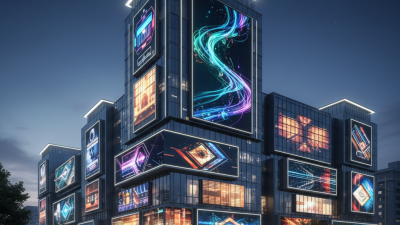
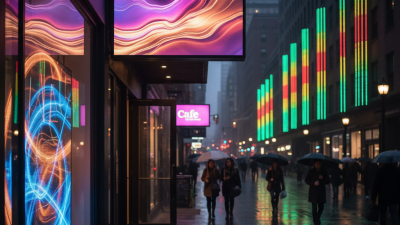
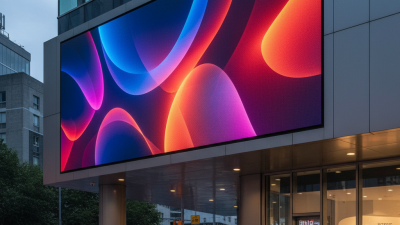
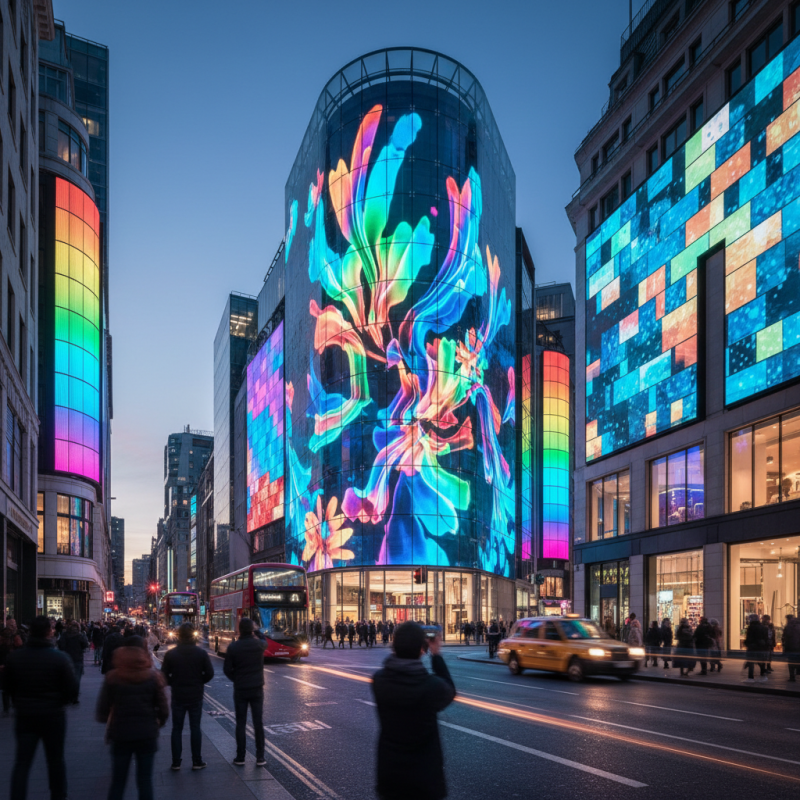
LED signs are becoming increasingly popular in various settings. These signs use light-emitting diodes to create vibrant displays. They can be found in storefronts, airports, and sports arenas. Their bright colors and dynamic visuals catch people's attention quickly. For businesses, this means increased visibility and potential customer engagement.
Common applications of LED signs include advertising and informing the public. In restaurants, LED displays showcase menus or daily specials. In malls, they provide directions or highlight promotions. They can convey important messages, like safety alerts, during emergencies. However, the effectiveness of an LED sign hinges on its design. A poorly designed sign may confuse rather than inform.
LED signs can be energy-efficient, but energy consumption varies. High-quality displays last longer, though they may require more investment upfront. Additionally, maintenance is vital for keeping the display in top shape. Regular checks can prevent dark spots or flickering lights. Overall, while LED signs offer many advantages, challenges remain in their implementation and upkeep.
The Technology Behind LED Signs: Components and Functionality
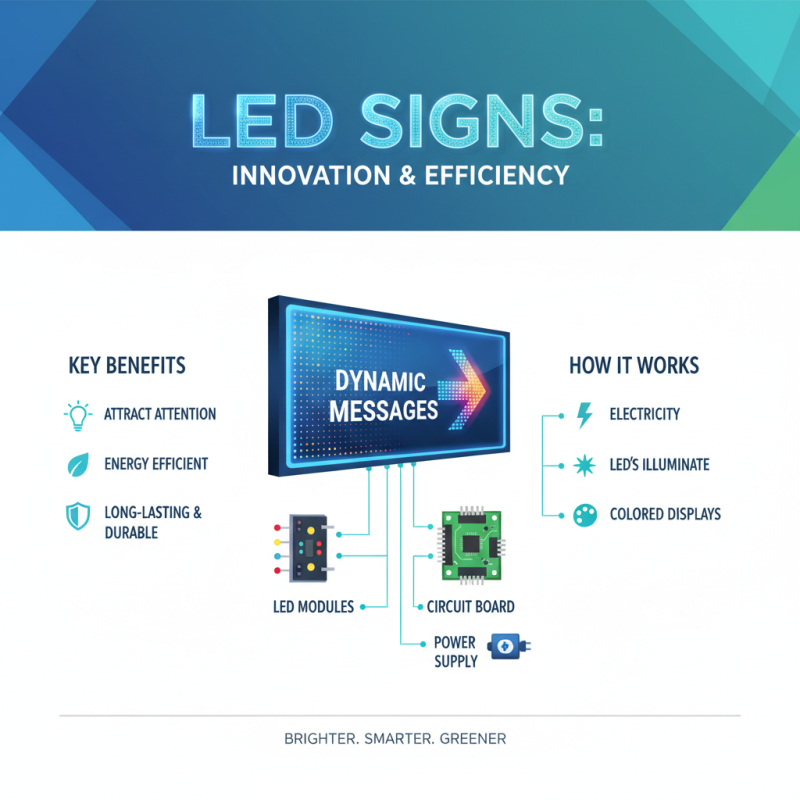
LED signs are an innovative way to catch attention. They use light-emitting diodes (LEDs) to create vibrant displays. This technology is not just about brightness; it's about efficiency and durability. The components involved include a circuit board, a power supply, and the LED modules themselves. When electricity passes through the LEDs, they illuminate in various colors. This makes it possible to display messages and images clearly.
The functionality of LED signs is fascinating. Many signs have programmable features, allowing for easy updates. This is ideal for businesses that need to change messages frequently. However, not all LED signs are created equal. Some might offer poor visibility in bright sunlight. Others may have limited color options or resolution issues. These factors can affect their effectiveness. Despite these challenges, LED signs continue to evolve and improve with technology. They require less maintenance than traditional signs, but they still need attention to function optimally.
How LED Signs Are Designed and Manufactured
LED signs are becoming increasingly popular for their vibrant displays and energy efficiency. The design and manufacturing of LED signs involve several key steps. Engineers start with choosing high-quality LED chips. These chips emit light when an electric current passes through them. The placement of these chips is crucial. A well-designed layout can ensure an even distribution of light.
Manufacturing takes place in clean, controlled environments. This helps to minimize contamination that could affect the performance of the signs. Circuit boards are created with precision. They connect the LED chips to the power source. Water and dust resistance are also important. Designers often enhance LED signs with coatings that extend their lifespan.
Tip: When choosing LED signs, consider the brightness level. Too bright can cause glare, while too dim may not attract attention.
Public reports show that properly designed LED signs can improve visibility by over 50%. Despite these advantages, some designs may lack clarity. This can lead to confusion. Always review design choices carefully. Each aspect, from color choices to font size, matters significantly.
Tip: Test your sign in various lighting conditions to ensure it meets visibility needs.
LED Signs Performance Metrics
The Advantages of Using LED Signs Over Traditional Signage
LED signs are revolutionizing the way businesses communicate. Unlike traditional signage, LED signs are vibrantly lit and can display dynamic content. This allows for a more eye-catching approach, drawing in potential customers effectively. According to a study by the University of San Diego, LED signs can increase foot traffic by up to 40%. That’s a significant boost when competing for attention.
Operating costs are another advantage. LED signs are energy-efficient and have a long lifespan, lasting up to 100,000 hours. Traditional signs often require frequent maintenance and replacement, leading to higher costs over time. A report from the U.S. Department of Energy indicates that using LED technology can reduce lighting energy use by 75%. This means more savings on electricity bills and lower environmental impact.
Tips: Keep your messaging clear and concise. Complicated information can confuse viewers. Also, consider regularly changing your display content. This keeps your audience engaged and encourages repeat visits. The bright illumination often reflects poorly if not maintained properly, so ensure regular cleaning and upkeep of your signage. The right approach can maximize the effectiveness of your LED displays.
Maintenance and Troubleshooting for LED Signs
Maintenance of LED signs is crucial for ensuring longevity and optimal performance. Regular cleaning is necessary to prevent dust and debris buildup. Use a soft cloth and a mild cleaner to wipe the surfaces. Avoid abrasive materials; they could scratch the display.
Troubleshooting common issues is also important. If the display flickers or parts are dim, check the power supply first. A faulty connection might be the culprit. Additionally, inspect the LED modules for any signs of damage or burnout. Replacing individual LED units is often easier than replacing the entire sign.
Tips: Schedule routine inspections. This helps identify potential issues early. Keep a log of maintenance activities for future reference. Consider using surge protectors to prevent power issues. Remember, some problems require professional help. Don't hesitate to seek expert advice when needed.
What is Led Signs and How Do They Work? - Maintenance and Troubleshooting for LED Signs
| Aspect |
Description |
| Definition |
LED signs are electronic display boards that utilize light-emitting diodes (LEDs) to convey information. |
| How They Work |
LEDs light up when an electric current flows through them, allowing for dynamic and colorful displays. |
| Types |
Common types include single color, tri-color, and full-color LED signs. |
| Applications |
Used in advertising, informational displays, traffic signals, and more. |
| Maintenance Tips |
Regularly clean the surfaces, check for loose connections, and inspect for burnt-out LEDs. |
| Troubleshooting |
If the sign does not operate, check the power supply and controller first. |
| Lifespan |
Typically, LED signs have a lifespan of 50,000 to 100,000 hours under normal usage. |