Indoor Signs Tips for Effective Wayfinding in Your Space?
Indoor signs play a crucial role in guiding people through various spaces. Whether in hospitals, schools, or shopping malls, effective wayfinding is essential. Clear signage helps visitors navigate complex layouts and find their intended destinations.
Imagine stepping into a large office building. Confusing hallways and unmarked doors can lead to frustration. Indoor signs can ease this burden by providing visible direction. They should be strategically placed for maximum visibility and understanding.
While designing indoor signs, it's important to consider their size, color, and wording. Signs need to stand out but also fit the environment. Reflecting on user experience can help improve sign effectiveness. Sometimes, signs can be overlooked or misinterpreted, highlighting areas where improvement is needed.
Understanding Wayfinding: The Importance of Indoor Signage
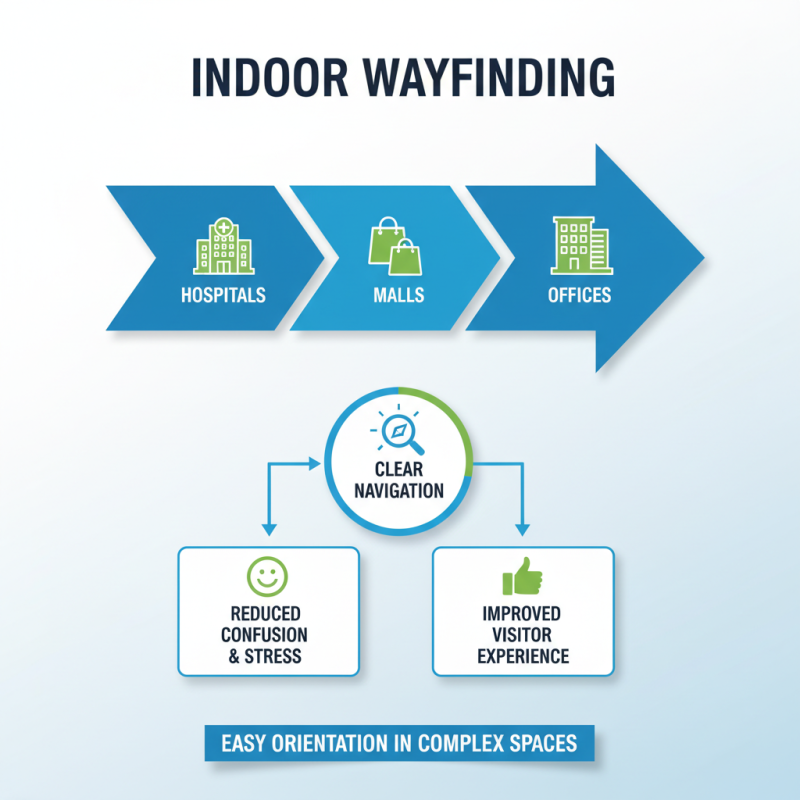
Indoor signage plays a crucial role in wayfinding. It guides people through complex spaces like hospitals, malls, and offices. Effective signage reduces confusion and enhances the visitor experience. When signs are clear and informative, people can navigate easily. This is especially important in large or busy environments.
Tips for effective indoor signage include using bold fonts and high-contrast colors. These elements improve readability from a distance. Symbols can be more effective than words, especially in multilingual settings. Keep menus and lists simple. Too much information can overwhelm visitors.
Consider the layout of your space. Signs should be strategically placed at decision points. People will not always know where to go next. If signs are too hidden or cluttered, confusion can arise. Reflecting on where your signs are placed will improve overall wayfinding.
Design Principles for Effective Indoor Signs
Creating effective indoor signs requires attention to design principles. Color choices play a crucial role in wayfinding. Using high-contrast colors ensures visibility. Consider the environment where signs will be placed. For example, a sign in a dimly lit hallway may need brighter colors to stand out.
Typography is equally important. Choose clear, legible fonts that are easy to read at a distance. Avoid overly decorative fonts that can confuse viewers. Signs should convey information quickly. Complicated messages often lead to frustration. Icons can simplify directions. They transcend language barriers and enhance understanding.
Testing signs in real situations can reveal their effectiveness. Gather feedback from users. Not every sign will work as intended. Some may mislead rather than guide. Regularly assess the clarity and visibility of your signage. Adjustments may be necessary to improve wayfinding. Observing how people navigate your space can offer valuable insights.
Types of Indoor Signs and Their Uses in Different Spaces
Indoor signs play a vital role in effective wayfinding. Their design and placement can significantly affect how visitors navigate a space. For instance, hospitals benefit from clear directional signs. These help guide patients and visitors to specific departments quickly. Simple colors and symbols can aid understanding, especially in stressful environments.
In offices, different types of signage serve various purposes. Wayfinding signs point to conference rooms and restrooms. Informational signs display important policies or emergency exits. However, sometimes, these signs are overlooked. Employees might not notice subtle colors or fonts. This can lead to confusion, highlighting the need for more prominent designs.
Retail spaces rely on signage for promotions and navigation. Clear labels on products and directional signs enhance customer experience. Yet, cluttered signage can overwhelm shoppers. It’s essential to find a balance that captures attention without causing chaos. Regularly assessing sign effectiveness can lead to improved layouts in the future.
Color and Typography Considerations for Enhancing Clarity
When creating indoor signs, color and typography play crucial roles in wayfinding. The right colors can guide people effectively through a space. For example, warm colors like red and orange can catch attention quickly. Cooler colors, such as blue and green, may convey calmness and trust. However, overly bright colors can be distracting or overwhelming. Finding a balance is essential.
Typography also affects clarity. A clean, sans-serif font is often easier to read from a distance. Letter spacing and size matter too. If letters are too close together, it may become difficult to read. Signs should not be cluttered with too much text. A single, clear message works best. Yet, many people still create signs that confuse rather than inform.
Using visuals can help, but be cautious. Icons should be straightforward and universally understood. Complex images can lead to misinterpretation. It’s also essential to test your signs with real users. Observing their reactions could reveal unexpected struggles. This reflection helps improve future designs. Ultimately, indoor signs should serve as helpful guides, not sources of frustration.
Integrating Technology into Indoor Wayfinding Solutions
Integrating technology into indoor wayfinding can enhance navigation in complex spaces. Digital signage, for instance, offers real-time updates. Users can find their way using interactive maps displayed on screens. These maps are helpful, yet not always perfect. Sometimes, they can be difficult to understand at a glance, leading to confusion.
Mobile apps can also aid wayfinding. Users can receive directions directly on their smartphones. However, these apps depend on reliable internet connections. In areas with poor connectivity, this technology may fail. The user experience can suffer, leaving people lost and frustrated.
QR codes are another useful wayfinding tool. They provide instant access to maps and information. But users must be familiar with scanning codes. Some may find it challenging or time-consuming. As we integrate technology into indoor environments, we must keep user comfort in mind. It’s essential to refine these solutions to meet diverse needs. Testing and feedback are critical for improvement.
Indoor Wayfinding Solutions: Effectiveness of Various Methods