Top 10 Essential Business Signage Types You Need Today?
In the competitive landscape of modern business, effective Business Signage is vital for success. Experts emphasize its importance in attracting customers and enhancing brand recognition. John Smith, a renowned signage consultant, states, "Your signage speaks before you do; make it count." This highlights the critical role that signs play in establishing first impressions.
Every business needs clear and appealing signage. It not only directs customers but also communicates the brand's message. A well-placed sign can change the trajectory of a business's growth. Without it, potential customers may walk right past. Research shows that 70% of consumers believe signage reflects the quality of a business. Ignoring this may lead to missed opportunities.
Choosing the right types of Business Signage can be overwhelming. Different businesses have unique needs, and one size doesn't fit all. Assessing what resonates with your target audience is key. It's a process fraught with challenges, yet the rewards can be substantial. In the end, effective signage is more than just decoration; it’s a powerful tool for communication.

Types of Business Signage: An Overview of Essential Options
When it comes to effective communication in business, signage plays a crucial role. Various types of business signage serve different purposes.
Storefront signs, for instance, are often the first interaction potential customers have with a business. They should be eye-catching and reflect the brand's identity. This type of signage can attract foot traffic and create a welcoming atmosphere.
Directional signs are another essential component. They guide customers through complex spaces, ensuring a smooth experience. Clear and informative signs reduce confusion and enhance customer satisfaction. Moreover, promotional signs can dynamically showcase sales or special events. These signs can create urgency and encourage immediate purchases.
While digital signage offers flexibility, it comes with challenges. Maintenance and updates can be a logistical headache. Non-digital signs also require care; fading or damage can undermine their effectiveness. It's essential to regularly assess the condition of all signage. This thoughtful reflection ensures the signs continue to represent the brand accurately and effectively.
Importance of Outdoor Signage for Enhancing Business Visibility
Outdoor signage is crucial for businesses aiming to improve their visibility. Research shows that about 76% of customers enter a store based solely on its signage. This statistic highlights the power of well-designed outdoor signs. Effective signage not only draws in foot traffic but also enhances brand recognition. When done right, these signs convey key information quickly and attractively.
Moreover, businesses can benefit significantly from quality outdoor signage. According to a study by the Sign Research Foundation, businesses with effective signs can increase their sales by nearly 30%. This information suggests that investing in outdoor signage is more than just an aesthetic choice; it’s a financial tactic.
However, not all signage achieves its potential. Poor visibility or outdated designs can deter customers rather than attract them. It's essential to continuously evaluate the effectiveness of your signage. Regular updates and maintenance can keep your signs relevant and appealing. By reflecting on the effectiveness of your outdoor signage, businesses can enhance their visibility and connect better with their audience.
Exploring Indoor Signage: Navigating Customer Experience Effectively
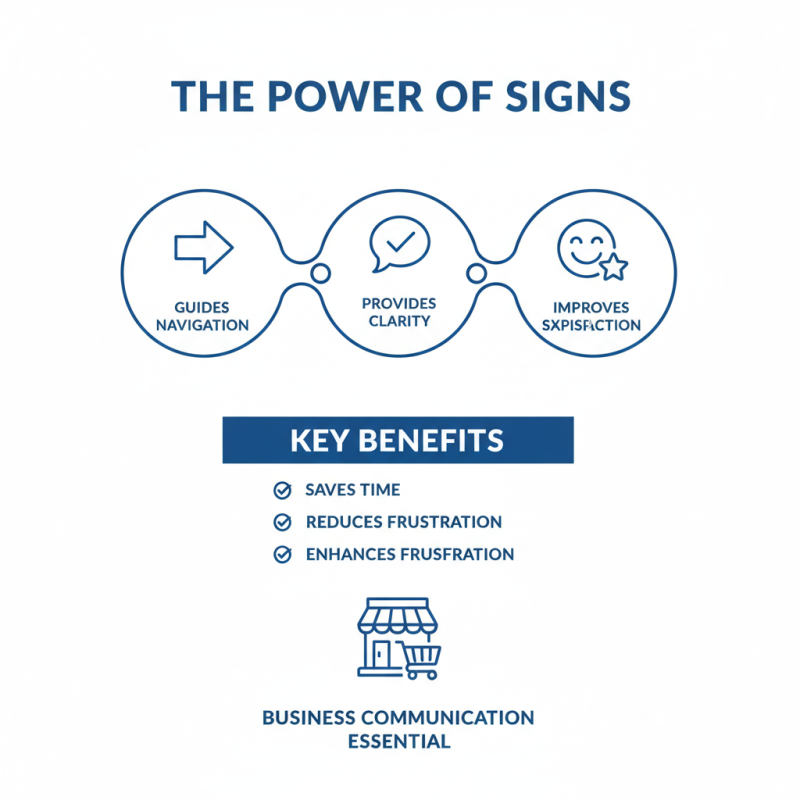
Indoor signage plays a crucial role in shaping customer experiences. Clear and effective signs guide customers through your space. They help in reducing confusion and enhancing satisfaction. Think about how a well-placed directional sign can lead to improved navigation in your store or office. Signage helps customers feel more comfortable and informed.
Tips: Use bold colors for visibility. Ensure the font is easy to read from a distance. Incorporate symbols or icons. This can be particularly helpful for multilingual environments where language barriers exist. Don’t underestimate the power of lighting. Well-lit signs draw attention and create a welcoming atmosphere.
Consider the layout of your signage. Signs should be intuitive and placed where they are most impactful. However, overdoing it can clutter the space. Too many signs can overwhelm customers instead of assisting them. Reflect on the balance between information and aesthetics in your signage design. Making subtle adjustments can lead to better customer engagement.
Top 10 Essential Business Signage Types You Need Today
| Signage Type |
Purpose |
Benefits |
Recommended Location |
| Directional Signage |
Guide customers through your space |
Improves navigation and reduces confusion |
Hallways, entrance points |
| Informational Signage |
Provide essential information |
Enhances customer knowledge |
Reception areas, waiting rooms |
| Promotional Signage |
Highlight special offers |
Increases sales and foot traffic |
Near product displays, storefronts |
| Safety Signage |
Inform about safety protocols |
Reduces accident likelihood |
Workplace, entrances, restrooms |
| Branding Signage |
Represent your brand identity |
Builds brand recognition |
Exterior and interior walls |
| Menu Boards |
Display food and drink options |
Attracts customers' attention |
Restaurants, cafes |
| Event Signage |
Guide attendees during events |
Enhances experience and organization |
Conference centers, exhibition halls |
| Window Displays |
Showcase products or services |
Attracts walk-by traffic |
Storefront windows |
| Digital Signage |
Dynamic content display |
Flexible and eye-catching |
Lobbies, communication areas |
| Wayfinding Signage |
Direct customers to specific locations |
Improves accessibility |
Complex facilities, malls |
Creative Signage Solutions: Innovations to Stand Out in the Market
In today’s competitive market, creative signage solutions are key to capture attention. Businesses are turning to innovative designs that stand apart from the traditional. Think beyond basic signs; illuminated options and 3D elements can draw in customers. Unique typography and bold colors create a visual impact that resonates.
Material choice also matters. Sustainable options are gaining popularity. Using eco-friendly materials can enhance a brand’s image. Interactive elements, like QR codes, engage customers more effectively. They can connect potential clients to digital content, driving interaction and sales.
However, the focus on innovation should not overlook clarity. Signs must convey information quickly. Overly complicated designs can confuse rather than inform. It’s essential to find that balance between creativity and communication. Regular updates reflect changes in products and services. Staying relevant keeps your business in customers' minds.