Top Tips for Effective Outdoor Wall Signage You Must Know?
Outdoor Wall Signage plays a critical role in capturing consumer attention. According to a study by the Sign Research Foundation, businesses with proper signage can see a 20-50% increase in sales. This astonishing statistic highlights the importance of effective design and placement. The right signage not only promotes visibility but also enhances brand identity.
Expert Bob Anderson, a leading figure in the signage industry, emphasizes, “Good signage is essential for communicating your brand effectively.” His insight reflects how outdoor wall signage must not only be eye-catching but also convey a clear message. Many businesses, however, overlook the basics. They often rush through design, neglecting factors like readability and color psychology.
Inadequate signage can confuse potential customers. It may lead them to miss essential information about your business. Reflecting on these details can make a significant difference. Overall, effective outdoor wall signage combines creativity and strategy, making it vital for success in a competitive market.
Understanding the Importance of Outdoor Wall Signage in Branding
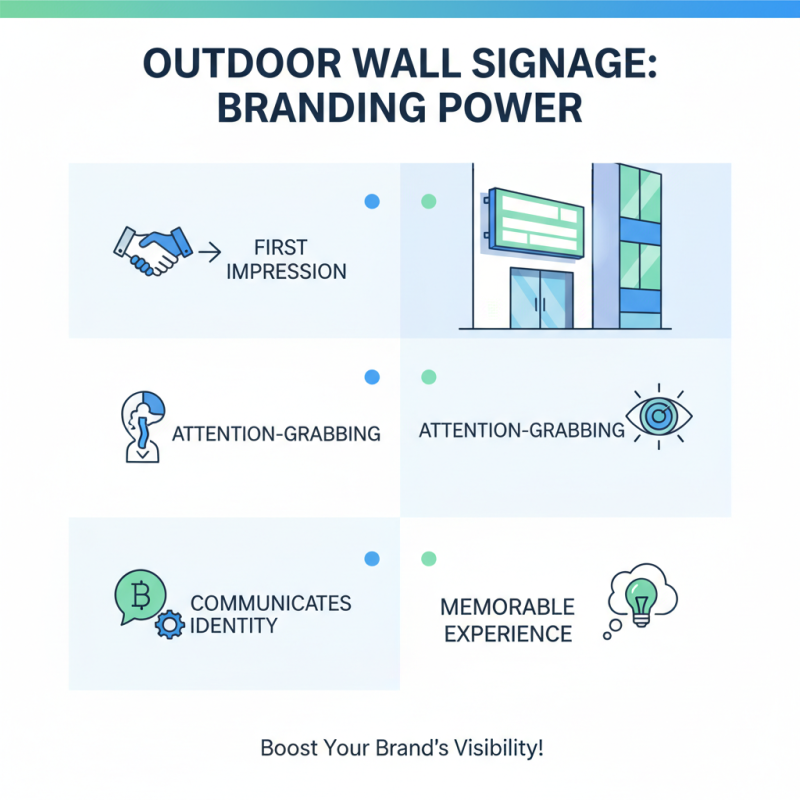
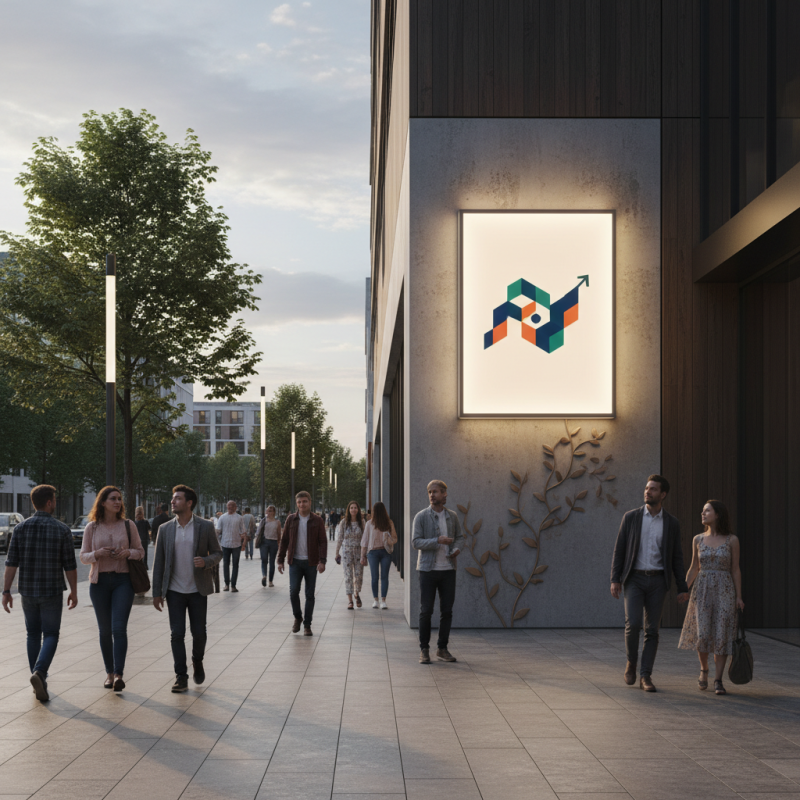
Outdoor wall signage plays a crucial role in branding. It serves as your business's first impression. When strategically placed, it grabs the attention of passersby. A well-crafted sign can communicate your brand identity effectively. It helps create a memorable experience for potential customers.
To maximize the impact of outdoor signage, consider the placement carefully. Choose high-traffic areas where visibility is optimal. Ensure your message is clear and concise. Use bold colors and contrasting backgrounds to enhance readability. Think about engaging graphics that reflect your brand's personality.
Consistency is key in branding. Your outdoor signage should align with your online presence and printed materials. This cohesion builds trust and recognition. Take the time to evaluate the effectiveness of your signage periodically. You may need to make adjustments based on surrounding changes or feedback. Embrace the process, and learn from what works and what doesn’t.
Choosing the Right Materials for Durability and Visibility
Choosing the right materials for outdoor wall signage is critical for both durability and visibility. According to the Sign Research Foundation, effective signage can increase sales by up to 20%. This fact emphasizes the importance of selecting materials that can withstand weather conditions and ensure readability.
For example, using high-density polyurethane for signs can provide resistance against UV rays and moisture. This material won’t fade easily, ensuring your message remains visible. Additionally, aluminum is another excellent choice for outdoor signage. It is lightweight yet robust, making it less prone to rust. Different finishes, like reflective coatings, can enhance visibility day and night.
Tip: Consider the environment where your sign will be placed. Signs in high-traffic areas might require more durable materials.
Reflective vinyl is a top contender when visibility is paramount. The 3M Company reports that reflective signage can increase visibility by up to 900% in low-light conditions. A well-placed sign with the right material can grab attention even at dusk.
Tip: Always test materials for your specific location. Local climate can dictate how long a sign lasts. Be proactive in evaluating durability versus cost.
Top Tips for Effective Outdoor Wall Signage
This chart illustrates the importance of various factors in choosing outdoor wall signage materials for durability and visibility. The data represents the percentage of professionals who prioritize each factor when selecting materials.
Design Principles for Effective Outdoor Wall Signage
Effective outdoor wall signage is vital for visibility and branding. According to a 2021 study by Nielsen, nearly 76% of people remember a company's signage. When designing, focus on readability and simplicity. A clear message in bold colors stands out against any backdrop. Incorporate high-contrast colors to enhance legibility. Stick to a limited color palette for a cohesive look.
Tips: Use large fonts for crucial information. Aim for a type size that can be read from at least 50 feet away. Images and logos should be simple yet impactful. According to a survey by the Sign Research Foundation, signs with images are 40% more effective than text-only designs.
Think carefully about placement. Ideal spots are at eye level and facing high traffic areas. Surrounding elements can either enhance or distract from your sign. Conduct a visibility test in various lighting conditions to ensure it’s always eye-catching. Remember, ongoing maintenance is key. Weather can quickly fade colors and obscure messages, requiring regular updates. This can often be overlooked.
Placement Strategies to Maximize Impact and Engagement
Outdoor wall signage is vital for effective communication. To maximize impact and engagement, focus on placement strategies. Choose locations that are visible from a distance. High-traffic areas capture attention quickly. Consider the level of foot and vehicle traffic when deciding on placement.
High visibility doesn’t always guarantee engagement. Evaluate your target audience's journey. Signs near entry points or popular gathering spots should be prioritized. Take note of nearby distractions. A sign obscured by trees or competing advertisements will lose effectiveness. Sometimes, even the best-designed signs fail to resonate.
Don't forget about lighting and timing. Signs that are well-lit during evening hours receive more attention. Experiment with different placements and observe the interactions. Gathering feedback can highlight areas needing improvement. Adjustments may lead to better performance over time. Keep track of engagement metrics; they inform future signage strategies.
Maintenance Tips to Ensure Longevity of Your Signage
Outdoor wall signage serves as a vital communication tool. To ensure its longevity, proper maintenance is essential. Regularly cleaning your signs can prevent dirt accumulation, which may damage the material over time. According to the International Sign Association, well-maintained signage can last up to 50% longer than neglected ones.
One effective tip is to inspect your signage regularly for any signs of wear. This can help you catch issues like fading paint or rust early. Consider using protective coatings, which can extend the life of your signage. A study by the Sign Research Foundation emphasizes the impact of environmental factors on signage durability. Signs exposed to harsh weather conditions may need extra attention.
Investing time in maintenance might seem tedious, but it saves money long-term. Reinventing signage every few years is costly. Ensure the colors remain vibrant and check for structural integrity. Remember, signage reflects your brand. Poor maintenance can affect public perception. Being proactive in caring for your signage reflects professionalism and commitment to quality.
Top Tips for Effective Outdoor Wall Signage You Must Know
| Tip |
Description |
Maintenance Frequency |
Estimated Lifespan |
| Choose the Right Material |
Select durable materials that withstand weather conditions, such as aluminum or acrylic. |
Annually |
5-10 years |
| Regular Cleaning |
Clean the sign regularly to remove dirt and debris, ensuring visibility. |
Bi-monthly |
N/A |
| Check for Damage |
Inspect the sign for any damage or wear and address issues promptly. |
Quarterly |
N/A |
| Proper Lighting |
Ensure the sign is well-lit during nighttime to maintain visibility. |
Monthly |
N/A |
| Seasonal Inspection |
Conduct thorough inspections after seasonal changes for wear and tear. |
Seasonally |
N/A |