How to Choose Effective Office Signage for Your Business?
In today's competitive business landscape, effective office signage is crucial for enhancing brand visibility and guiding customers. According to a study by the American Sign Museum, about 85% of consumers rely on signs to find a business. This statistic underscores the importance of well-designed office signage in attracting clients and improving overall customer experience.
Office signage serves multiple purposes, including providing directions, conveying information, and reinforcing brand identity. Engaging visuals and clear messages are vital for effective communication. A report from the International Sign Association notes that effective signage can increase sales by up to 20%. Choosing the right materials, fonts, and colors can significantly influence these outcomes.
However, many businesses overlook the impact of their signage. Poorly designed signs can mislead customers and create confusion. It’s essential to continually assess your signage strategy to ensure it aligns with your business goals. Failing to do so may result in missed opportunities and a lack of brand awareness. Investing in quality office signage is not just a minor detail; it’s a strategic decision with long-term implications.

Understanding the Importance of Office Signage for Business Success
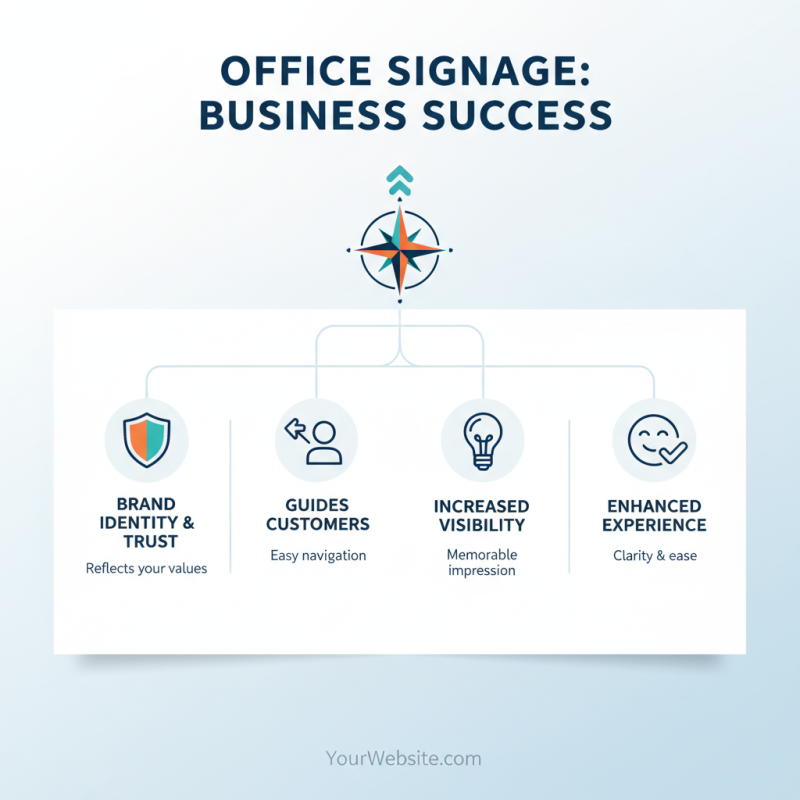
Office signage plays a crucial role in shaping a business's identity and guiding customers. It communicates essential information about your brand. Well-designed signs can enhance visibility and make a lasting impression. They help customers navigate your space with ease. This clarity can greatly improve the overall experience.
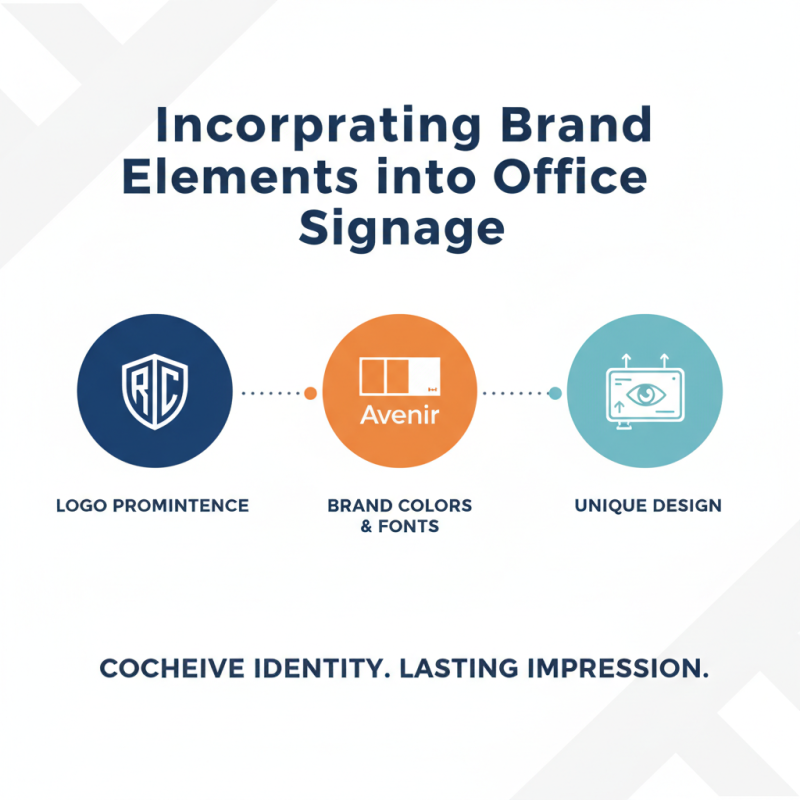
Effective signage also reinforces brand consistency. When signs align with brand colors and logos, they create a cohesive identity. This can lead to increased trust and recognition among customers. However, many businesses overlook the need for regular updates. Faded or outdated signs may send the wrong message. It's essential to regularly assess the relevance and condition of your signage.
Understanding the psychological impact of signage is vital. Colors and fonts can evoke different emotions. For example, warm colors can create a welcoming atmosphere. On the other hand, sharp or overly complex designs might confuse visitors. Balancing aesthetics with functionality requires ongoing reflection. A deep understanding of your audience can guide your choices towards more effective signage.
Identifying Your Target Audience for Effective Signage Design
Identifying your target audience is crucial for designing effective office signage. Understanding who will use your space allows for tailored communication. Different audiences have various needs. A client-focused sign should convey professionalism, while a casual space might benefit from vibrant colors and fun fonts.
Consider the demographics of your visitors. Are they corporate clients or creative professionals? Mature audiences might prefer elegance over bold, quirky designs. Engaging employees can bring a sense of ownership to the space. Signs that reflect team values can foster a positive culture.
Get feedback from your audience. What works for your clients might not resonate with your staff. Continuous improvement is essential in signage design. Monitor the effectiveness of your signs. Are they easy to read? Do they convey the intended message? Reflect on these questions to enhance your signage strategy continually.
Choosing the Right Materials and Technology for Office Signs
Choosing the right materials and technology for office signs can greatly impact your business's visibility and professionalism. When selecting materials, consider factors like durability, aesthetics, and maintenance. For instance, metal signs often convey a sense of strength and reliability, while acrylic signs offer a modern touch. Each material has its unique appeal and functionality, which can influence how clients perceive your brand.
Technology also plays a crucial role in effective signage. Digital displays can grab attention and communicate messages dynamically. However, they require careful management and might not fit every budget. On the other hand, traditional vinyl graphics are cost-effective and customizable. Reflect on your business needs and the message you want to convey. What works well for one company may not suit another.
Balancing design with practical considerations can be tricky. Sometimes, the best-looking sign may not be the most effective in terms of visibility or legibility. Think about the lighting and location of your signs, as these factors can influence their effectiveness. Regularly assess whether your signage meets the evolving needs of your business. Constant improvement is key to ensuring your office signage remains relevant and impactful.
Office Signage Material Comparison
Ensuring Compliance with Legal and Safety Regulations in Signage Design
Choosing effective office signage involves more than aesthetics. Compliance with legal and safety regulations is critical. Signage should meet local codes and industry standards. For instance, make sure to include Braille for accessibility. Every employee and visitor should navigate safely.
Tips for compliance include consulting local signage regulations. Each area might have different requirements. Ensure your signs are clear and visible. Consider reflective materials for outdoor signs. This can enhance visibility at night.
Remember to think about safety. Signs indicating emergency exits must be obvious. Keep them free from obstructions. Regularly assess your signage for wear and tear. Don’t neglect maintenance; damaged signs can create confusion. Effective signage balances aesthetics and compliance. Reflect on how well your signs convey important information.