How to Create Effective Building Signs for Your Business?
Effective building signs are crucial for any business. They serve as the first impression for potential customers and can significantly impact foot traffic. A well-designed sign captures attention and communicates your brand identity.
When creating building signs, consider the visibility, design, and the message you want to convey. A catchy slogan or a simple logo can make a strong impact. However, think about how your design stands out from competitors. Colors, fonts, and shapes should reflect your business values.
Remember, building signs are not just about aesthetics. They also guide customers to your location. Poor visibility or unclear messages can confuse patrons. A well-placed sign can make a lasting impression, while a poorly designed one may lead to missed opportunities. Reflect on your design choices and how they align with your business goals.
Understanding the Importance of Effective Building Signs for Businesses
Effective building signs play a crucial role in a business's success. They are often the first impression customers have of your brand. A well-designed sign can attract attention, convey information, and enhance your brand identity. Poor signage can lead to confusion or frustration. Think of how easy it is to miss a poorly lit or misplaced sign.
Colors, fonts, and placement matter greatly. Bright colors can draw in a crowd. However, if they clash or are too many, it can become overwhelming. Fonts should be easy to read, even from a distance. A complex design might look attractive but can lose its purpose. People passing by may not pause to decipher intricate details.
Businesses must reflect on their current signage. Is it making a strong statement? Or is it blending into the background? Signs should evolve as businesses grow. An outdated sign can send the wrong message. Regularly assessing and updating signage can improve visibility and relevance. How does your sign portray your brand today?
Key Elements for Designing Attractive and Compliant Building Signs
When creating building signs for a business, several key elements come into play. It's important to choose the right materials. Durable materials withstand the elements. Wood can look elegant but might falter in bad weather. Metal offers a sleek appearance but may need upkeep to prevent rust. Consider your location’s climate when selecting materials.
Color plays a vital role in attracting attention. Bright colors stand out against dull backgrounds. However, it's crucial to ensure readability. Dark text on a light background works well. It’s essential to avoid overcomplicating designs. Simplicity often leads to clarity. Complex graphics can confuse viewers. Signs should send a clear message quickly.
Compliance with local regulations is a necessity. Before finalizing a design, check the guidelines in your area. Some places have restrictions on size and lighting. Ignoring these rules may lead to fines. It’s also wise to seek feedback on your design. Sometimes, what seems perfect may need adjustments. Test it with potential customers for effectiveness.
How to Create Effective Building Signs for Your Business? - Key Elements for Designing Attractive and Compliant Building Signs
| Element |
Description |
Considerations |
| Visibility |
Ensure signs are visible from a distance, considering sight lines and surroundings. |
Height, lighting conditions, and obstructions. |
| Typeface |
Choose a clear and readable typeface that reflects your brand. |
Legibility at various distances and sizes. |
| Color Scheme |
Use contrasting colors to enhance readability and attract attention. |
Psychology of colors and harmony with surroundings. |
| Size |
The size of the sign should be proportionate to the building and visible from the right distance. |
Regulatory limitations and site-specific factors. |
| Content |
Keep the message concise and focused on essential information. |
Avoid clutter and prioritize key messages. |
| Compliance |
Ensure all signage complies with local regulations and codes. |
Permits required and local zoning laws. |
Selecting the Right Materials: Durability vs. Aesthetics in Signage
Selecting the right materials for building signs is crucial. It involves a balance between durability and aesthetics. Many businesses prioritize durability, but visual appeal plays a significant role in attracting customers. According to a survey by the Sign Research Foundation, a well-designed sign can increase sales by up to 20%. This statistic underscores the importance of selecting materials that not only withstand the elements but also enhance the business's image.
For outdoor signs, materials like aluminum and Acrylic are popular. They resist weather damage while maintaining a professional look. However, some businesses opt for wood or vinyl, hoping for a rustic charm. Unfortunately, these materials may deteriorate faster. Businesses should consider their local climate. For instance, signs in humid areas might suffer from mold and fading. It's a trade-off that can affect visibility and brand perception.
Indoor signage often requires different considerations. Lightweight materials like foam board and digital displays offer versatility. However, their lifespan can be shorter than that of metal or glass signs. A recent report indicates that signs with lower durability can cost a business 40% more in replacements over time. Therefore, careful thought should be given to material choices. Creating effective signs requires a deeper analysis of both aesthetic goals and long-term maintenance needs.
Incorporating Branding Consistently Across All Signage Types
Creating effective building signs is crucial for your business. Consistency in branding across all signage types helps establish recognition and trust. Use your logo, colors, and fonts thoughtfully. This ensures that customers can associate the sign with your brand instantly. However, find the right balance; overdoing visual elements can confuse your audience.
Tips: Use contrasting colors to make your signs more readable. Test different designs to see what resonates most with your audience. Don’t hesitate to ask for feedback from employees or customers. Their perspectives can provide invaluable insights.
Incorporating branding is an ongoing process. Regularly review your signage to stay aligned with evolving trends. If your branding shifts, update your signs accordingly. A sign that feels outdated can detract from your business’s image. Remember, signs are often the first impression. They should reflect who you are.
Leveraging Technology: Digital Signs and Their Impact on Customer Engagement
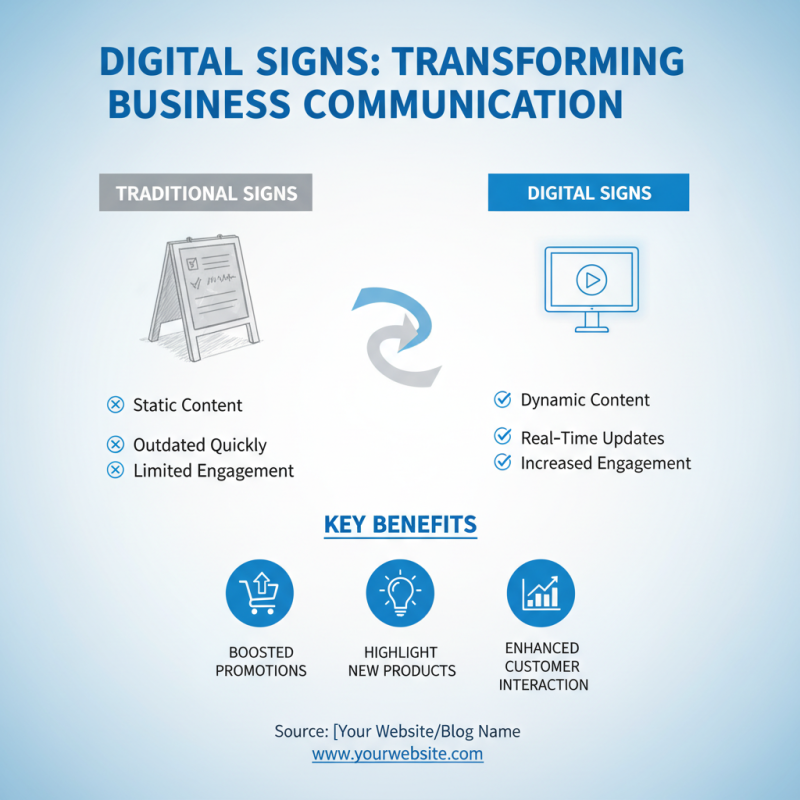
Digital signs are changing the way businesses communicate with their customers. Traditional signs often lack interactivity and can quickly become outdated. In contrast, digital signs offer dynamic content that can be updated in real time. Customers are more likely to engage with eye-catching visuals and animations. These signs can showcase promotions or highlight new products instantly.
Using technology effectively requires understanding your audience. Not every digital sign appeals to every customer. A flashy design may attract some, but it could overwhelm others. Businesses must strike a balance between creativity and clarity. Testing different designs helps identify what resonates. By observing customer reactions, companies can refine their approach.
Moreover, the placement of digital signs matters. A sign in a crowded area can draw attention, but if it’s too far away, it may go unnoticed. Regular maintenance is also essential. A broken sign reflects poorly on the brand. Businesses need to ensure their technology is working flawlessly to maintain customer trust. Engaging with customers through digital signs is a continuous process, filled with opportunities for growth and improvement.