How to Choose the Best Backlit Sign for Your Business?
Choosing the right backlit sign for your business is crucial. It can enhance visibility and attract more customers. According to industry expert John Smith, “A well-designed backlit sign can transform your storefront into a beacon.” His insight highlights the importance of strategic signage.
Backlit signs come in various types and styles. They can be used for branding or to promote specific products. When selecting a sign, consider size, brightness, and materials. Each element plays a role in how effectively your message is communicated. Yet, the choices can feel overwhelming.
Reflecting on your business's needs is essential. What image do you wish to project? Your sign should align with your brand identity. It’s worth exploring multiple options before making a decision. Quality backlit signs can be a significant investment. Take your time, and ensure your choice will serve its purpose well.
Understanding the Importance of Backlit Signs for Your Business
Backlit signs play a crucial role in enhancing visibility and attracting customers. According to a report by the Sign Research Foundation, 50% of customers admit they have discovered a business simply by its signage. This underscores the importance of having a well-designed backlit sign that captures attention, especially in busy urban environments.
Visibility is key—lighted signs can be seen from greater distances. Studies indicate that illuminated signs can increase foot traffic by up to 30%. Businesses that invest in effective backlit signage often notice an increase in sales, as customers are drawn to well-lit, engaging displays. However, design choices matter. A poorly executed sign can fail to communicate the brand’s message, leading to confusion rather than attraction.
Many businesses underestimate the long-term benefits of high-quality backlit signs. Although the initial investment can seem steep, the return on investment is significant. For example, well-placed and attractive signage can offer an impressive engagement rate. Yet, it's essential to ensure the design complements the brand identity. Ill-fitting styles can detract from professionalism. Therefore, careful planning and execution are necessary to create signs that truly resonate with the intended audience.
Identifying the Key Factors in Choosing Backlit Signs
Choosing the right backlit sign can enhance your business’s visibility and appeal. Key factors play a vital role in this decision. Understanding these factors helps you make informed choices.
Consider the location of your sign. Will it be indoors or outdoors? Outdoor signs need durability and weather resistance. Indoor signs can focus more on aesthetics. Evaluate your audience. Think about what will attract them. A clear understanding of your target demographic is crucial.
**Tip:** Always test your sign's brightness. Insufficient lighting can diminish visibility. Adjustments may be necessary based on the environment.
Materials also matter. Acrylic and vinyl are popular choices. Each has different durability and appearance. Choose materials that align with your brand's image.
**Tip:** Don't overlook installation. A poorly installed sign can lead to safety hazards. Assess whether you need professional help or can manage a DIY approach.
Think about maintenance too. Some signs require regular cleaning, while others are low-maintenance. Frequent upkeep can be time-consuming and costly. Reflect on what works best for your team.
Exploring Different Types of Backlit Signs Available
Backlit signs have become vital for businesses looking to enhance visibility. Different types of backlit signs cater to various needs and aesthetics. LED signs, for example, are energy-efficient and long-lasting. According to a report by the U.S. Small Business Administration, businesses that invest in quality signage can expect a return on investment of up to 150%. This underscores the importance of selecting the right backlit sign.
Another popular option is the illuminated menu board, often found in restaurants. These boards attract customers and increase orders. A survey indicated that 70% of patrons were influenced by visually appealing signage. Storefront displays utilizing lightboxes can create eye-catching effects, drawing attention to promotions or new arrivals. However, businesses sometimes overlook maintenance. Faded graphics can diminish effectiveness and turn potential customers away.
Translucent acrylic signs are another option. They provide sleek designs and vibrant colors. Their versatility allows for adaptability in different environments. A well-designed backlit sign can offer a unique brand representation. However, many businesses fail to regularly update their signage. Stagnant displays can lead to missed opportunities. Therefore, it’s crucial to choose wisely and reflect regularly on how the signage supports your brand identity.
Evaluating Material and Design Options for Durability
When choosing a backlit sign, material and design are crucial factors. Acrylic and polycarbonate are common options. They offer transparency and durability. Acrylic is lightweight, but it can scratch easily. Polycarbonate is stronger and impact-resistant, making it ideal for outdoor use. Think about where the sign will be placed. Will it face harsh weather? Your choice of material should reflect that need.
The design of the sign impacts visibility and aesthetic appeal. LED lighting is popular because it is energy-efficient and bright. However, think about the layout. Simple designs often communicate messages more effectively. Complex graphics can become cluttered and lose focus. Reflect on your brand's identity as you decide. The sign should resonate with your values.
Evaluate the longevity of materials and design elements. You may need to replace or repair signs periodically, which adds to costs. Consider the maintenance required for each material choice. Some might fade over time and require more frequent updates. Reflecting on these aspects will help ensure the sign aligns with your business needs and values.
Assessing Lighting Technology for Optimal Visibility and Impact
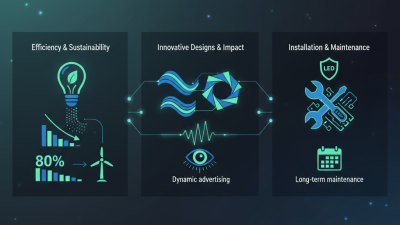
Selecting the right backlit sign for your business demands a keen understanding of lighting technology. The clarity and vibrancy of your signage significantly impact visibility. In fact, studies indicate that well-lit signs can boost customer visits by up to 30%. LED technology stands out due to its energy efficiency and longer lifespan. These signs consume 75% less energy than traditional lighting, making them eco-friendly and cost-effective.
Consider color temperature when choosing your lighting. Signs illuminated with a cooler tone tend to attract more attention than those with warm tones. A review from the American Sign Council highlights that visibility diminishes if the color contrasts poorly with the surrounding environment. For example, white signs against a bright background can become overlooked.
However, it’s essential to reflect on potential shortcomings. Overly bright signage can also deter customers. Dimming options should be considered for locations with varying levels of ambient light. Balancing brightness and aesthetic appeal is crucial. Failure to do so can lead to a negative impression. Utilizing the right technology while being mindful of these factors ensures your backlit sign creates a lasting impact on potential customers.