Why Choose Light Box for Your Business Marketing Needs?
In today's competitive business environment, effective marketing is essential. One emerging tool is the "Light Box." This innovative solution enhances brand visibility and engagement. According to a recent study by the Outdoor Advertising Association, bright and captivating displays can increase viewer engagement by up to 80%. Light Boxes not only attract attention but also convey a professional image.
However, it's crucial to consider how you use them. Poor placement or design can detract from your message. A well-placed Light Box should complement your overall marketing strategy. Research indicates that businesses utilizing illuminated signage see a 20% boost in sales on average. This statistic underscores the importance of strategic marketing decisions.
Investing in a Light Box is not just about aesthetics; it's about making a lasting impression. Businesses must ensure that their message is clear and impactful. While Light Boxes can significantly enhance visibility, effectiveness depends on thoughtful execution. Reflect on what approach works best for your brand.
Benefits of Using Light Boxes for Business Marketing
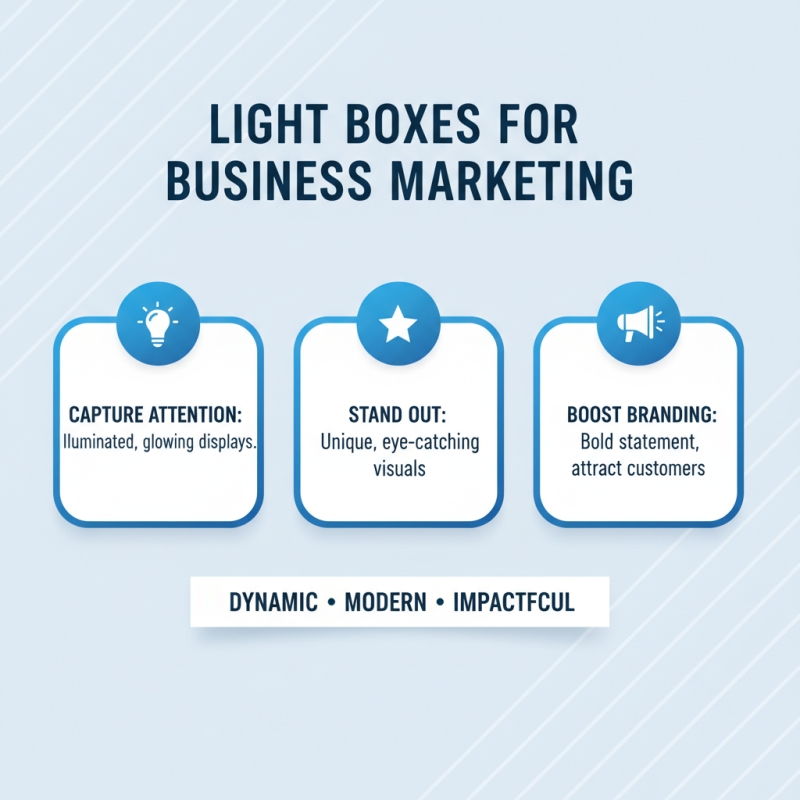
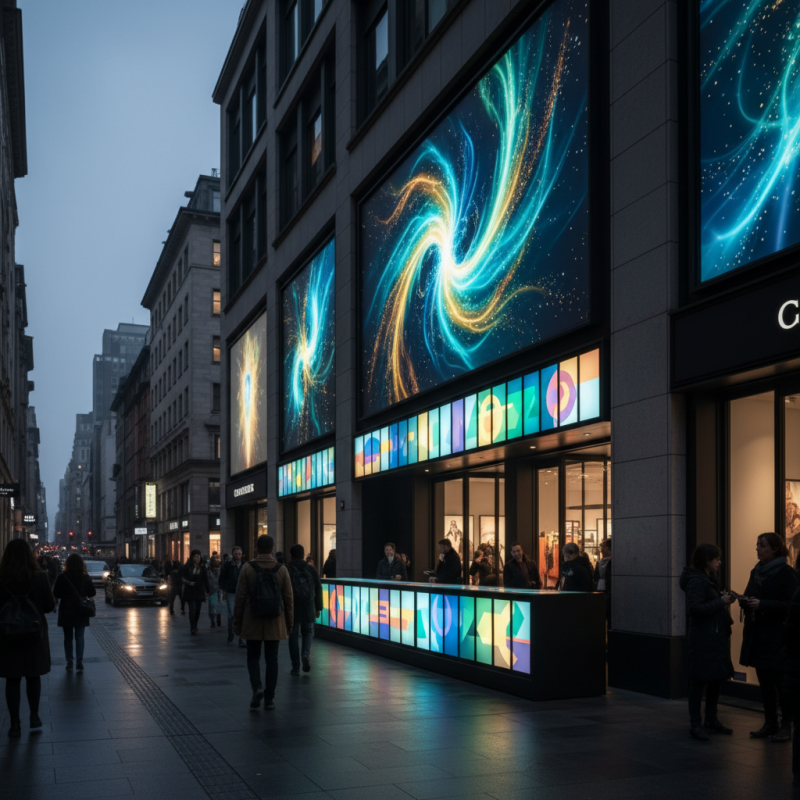
Light boxes have emerged as a dynamic tool in business marketing. They create vibrant, illuminated displays that capture attention. In a world flooded with advertising, standing out is crucial. A light box can be a game changer. Its bright visuals can draw in potential customers, making a bold statement about your brand.
The versatility of light boxes is noteworthy. They can be used in various settings, from retail spaces to trade shows. A well-placed light box can enhance your storefront and highlight sales. It serves both as an advertisement and an art piece. Businesses often find they gain more foot traffic with eye-catching displays. This increased visibility can translate into higher sales.
However, businesses must also consider placement and design. Not every light box fits all brands equally. The message should align with your overall marketing strategy. It’s essential to regularly evaluate the effectiveness of your display. If you notice stagnation in customer engagement, it may be time to rethink your approach. A light box should be a dynamic element that evolves with your business’s needs.
Understanding the Different Types of Light Boxes Available
Light boxes are versatile tools for business marketing. They come in various types, each designed to enhance visibility and attract customers. Common types include backlit displays, portable light boxes, and illuminated signs.
Backlit displays, often used in retail, effectively highlight key products. Portable light boxes are versatile, ideal for events and trade shows. Each type serves a unique purpose and can significantly impact customer engagement.
According to a report by the Outdoor Advertising Association, illuminated signs increase visibility by up to 50%. They are effective in drawing attention, especially in busy areas. The use of light boxes can lead to a noticeable boost in foot traffic. However, it's crucial to choose the right type based on your specific marketing goals.
Tip: Consider the location and audience for your light box. A well-placed light box in a high-traffic area can yield better results. Additionally, ensure the design is clean and eye-catching. A cluttered message can confuse potential customers. Remember, the effectiveness of a light box relies on clear communication. Keeping it simple often leads to stronger engagement. Analyze your results regularly to refine your strategy.
How Light Boxes Enhance Brand Visibility and Recognition
Light boxes have become essential tools for businesses aiming to boost their brand visibility. Research indicates that about 76% of consumers enter a store based on attractive signage. Light boxes, with their vibrant illumination, significantly enhance this aspect. They draw attention not only during the daytime but also at night. This 24/7 visibility increases the likelihood of customer engagement, making light boxes an effective marketing choice.
Implementing light boxes can elevate brand recognition. Consistent design and messaging in light boxes help reinforce brand identity. According to studies, cohesive branding can increase revenue by up to 23%. When people see your brand illuminated, it creates a lasting impression. They associate the vivid display with your business, helping to foster trust and loyalty.
Tips: Choose strategic locations for your light boxes to maximize exposure. Regularly update the visuals to maintain interest. Test different designs to see which attracts more attention. Remember, sometimes less is more. Avoid cluttering the space, as simplicity often leads to a more powerful visual impact.
Cost-Effectiveness of Light Boxes in Marketing Strategies
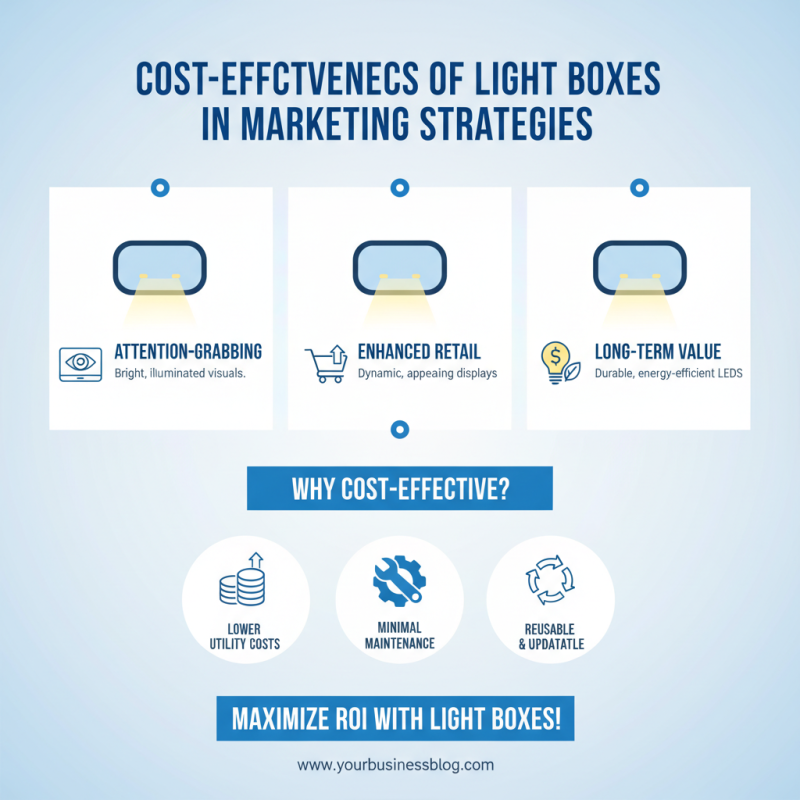
Light boxes are becoming popular tools for business marketing. They offer a unique way to capture attention. Light boxes provide bright visuals that draw in customers. With eye-catching displays, they can enhance any retail environment. But what makes them truly cost-effective?
The initial investment in light boxes can be high. However, their long-term benefits often outweigh the costs. Unlike traditional advertising methods, light boxes have low maintenance expenses. They use LED technology, which reduces energy consumption. As a result, businesses save on electricity bills while promoting their brand. Moreover, light boxes can last for years, making them a sustainable choice.
Marketing with light boxes can lead to increased sales. Their visibility can transform foot traffic into actual purchases. The right design makes products stand out and encourages consumer interaction. Businesses often find that light boxes improve their overall marketing returns. Yet, it's essential to reflect on the placement and design for maximum impact. A poorly positioned light box can do more harm than good. Thus, proper planning is crucial for effective use.
Tips for Designing an Effective Light Box for Your Business
When designing an effective light box for business marketing, clarity is crucial. Use bold, easily readable fonts. Limit text to essential information. This will ensure quick comprehension. Use vibrant colors that align with your brand. This helps create an inviting atmosphere. Consider the lighting; it can enhance or detract from your design.
Images play a significant role in a light box. Choose visuals that resonate with your target audience. High-quality graphics draw attention and elicit emotional responses. However, avoid overcrowding the space. Simplicity can often convey your message more powerfully. Sometimes, less truly is more.
Finally, think about placement. A light box in a high-traffic area captures more views. But think twice about the design elements. What works well in one location may not in another. Consistent testing and adjustments are essential. Always be open to refining your approach based on customer feedback. This iterative process can lead to a more impactful marketing tool.
Why Choose Light Box for Your Business Marketing Needs?
| Aspect |
Description |
Benefits |
| Visibility |
Light boxes can be illuminated to attract attention even in low-light environments. |
Increased foot traffic and visibility for marketing campaigns. |
| Versatility |
Light boxes can be used for various types of messages, including promotions, branding, and event announcements. |
Adaptable to different marketing needs and campaigns. |
| Customizability |
They can be customized in size, shape, and design to fit brand aesthetics. |
Enhanced branding and visual appeal. |
| Energy Efficiency |
Modern light boxes often use LED technology, which is energy-efficient. |
Lower energy costs and environmentally friendly. |
| Durability |
Made from sturdy materials that can withstand various weather conditions. |
Long-lasting marketing solution that accommodates outdoor use. |