What are the Best Led Signs for Businesses in 2026?
In the dynamic world of business, standing out is crucial. Led signs have emerged as a powerful tool for visibility and engagement. By 2026, these eye-catching displays will play an even more significant role. As companies seek innovative ways to attract customers, the right Led signs can make all the difference.
Choosing the best Led signs requires understanding various options available. Brightness, size, and customization are key factors. Businesses must consider their specific needs, such as location and target audience. However, navigating the market can be overwhelming. With countless designs and technologies, finding the ideal Led sign is not always straightforward.
As we explore the best options for 2026, it is important to reflect on what works. Are the latest features truly beneficial? Are businesses making informed decisions? The future of Led signs holds promise, but it also invites scrutiny. Success lies in balancing innovation with practicality, ensuring that investments yield real results.
Best LED Sign Types for Business Use in 2026
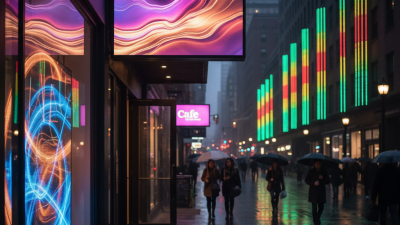
In 2026, businesses must choose LED signs wisely. LED signs enhance visibility and attract customers. A critical type is the digital message board. These boards are versatile and allow for real-time updates. They are ideal for restaurants and retail stores. Bright colors and animations can grab attention instantly.
Another effective option is neon-look LEDs. Although they mimic traditional neon signs, they are energy-efficient. They provide a modern twist to classical designs, improving brand aesthetics. However, the initial cost may give some businesses pause.
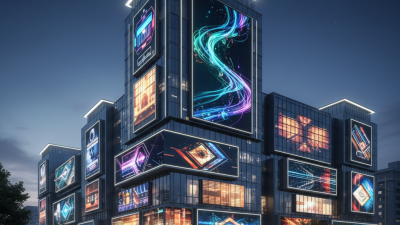
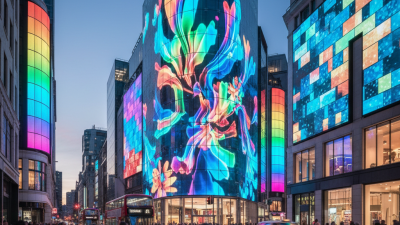
Countless companies rely on outdoor LED displays. These large signs can cover significant areas. They can be difficult to maintain, presenting challenges. Regular cleaning and upkeep are essential for prolonged use. Despite the concerns, well-maintained signs can significantly boost foot traffic. The choice of LED sign depends on the specific needs and budgets of businesses.
What are the Best Led Signs for Businesses in 2026? - Best LED Sign Types for Business Use in 2026
| Sign Type |
Brightness (Nits) |
Resolution |
Power Consumption (W) |
Average Lifespan (Years) |
| Standard LED Signs |
800 - 2000 |
32x16 pixels |
50 |
5 |
| Retail Store LED Displays |
1200 - 3000 |
64x32 pixels |
100 |
7 |
| Programmable LED Signs |
1000 - 2500 |
32x16 pixels |
40 |
6 |
| Full-Color Digital Displays |
1500 - 5000 |
128x64 pixels |
120 |
10 |
| Outdoor LED Boards |
1200 - 6000 |
128x64 pixels |
150 |
8 |
Key Benefits of Using LED Signs for Marketing Effectiveness
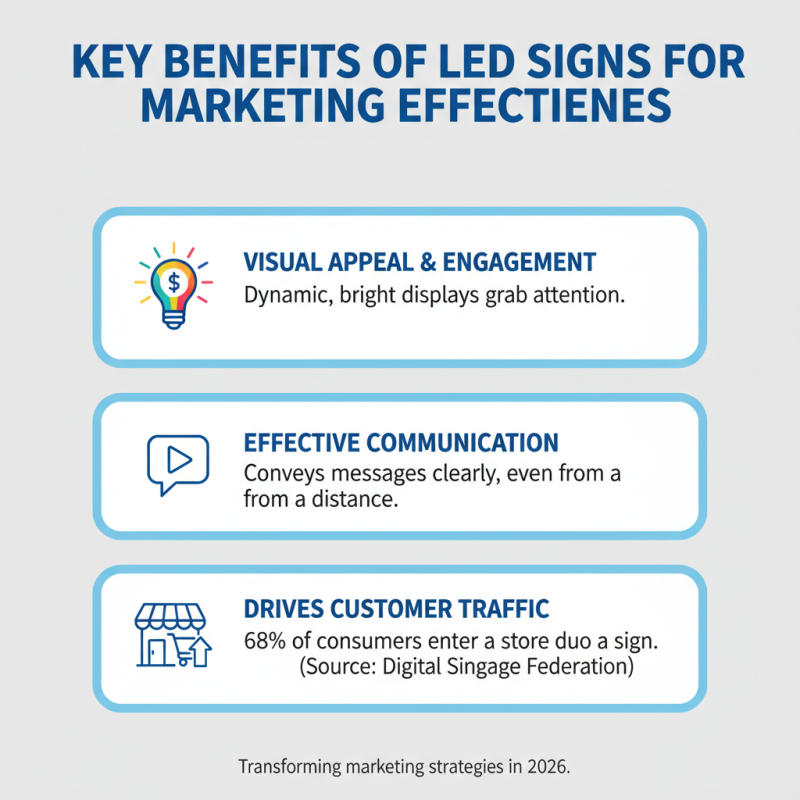
LED signs are transforming marketing strategies for businesses in 2026. They are not just visually appealing; they are effective communication tools. A study by the Digital Signage Federation found that 68% of consumers have reported entering a store because they saw its sign. This shows the power of LED signage in attracting potential customers.
These signs provide real-time updates for promotions or announcements. Research indicates that businesses using LED signs can boost their on-site sales by 20-50%. This surge in customer engagement is attributed to the dynamic nature of LED displays. They allow businesses to showcase vibrant colors and animations that capture attention, making marketing messages more memorable.
**Tip:** Choose the right location for your LED sign. Visibility from a distance is key to attracting foot traffic.
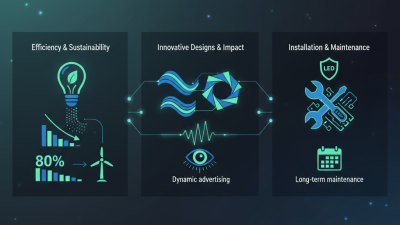
Moreover, LED signs are energy efficient. They consume significantly less power than traditional signage, aligning with global sustainability trends. This eco-friendliness can resonate with modern consumers who value corporate responsibility.
**Tip:** Consider integrating your LED displays with social media. This connection brings your digital marketing efforts into the physical space.
Adopting LED signage requires careful planning. It’s essential to consider design, messaging frequency, and placement. Striking the right balance can be challenging yet rewarding. Investing in LED signs is not just about visibility; it’s about creating an impactful customer experience.
Technological Advances in LED Signage: Trends and Innovations
In 2026, LED signage technology continues to evolve. Businesses now benefit from improved energy efficiency and vibrant displays. Advanced color calibration techniques ensure consistent brightness and hue accuracy. These innovations enhance visibility, attracting more foot traffic. Dynamic images and videos can now be integrated seamlessly. This allows for more engaging marketing strategies.
The use of AI and machine learning provides vital insights. Businesses can analyze viewer engagement in real-time. This data helps in refining marketing efforts. High-resolution displays become more affordable, increasing access for smaller businesses. There's also a growing trend toward eco-friendly materials and manufacturing processes. This shift is important for sustainability.
However, challenges remain. Not all businesses can adapt quickly to these changes. The learning curve may deter some from investing. Maintenance costs for advanced displays can be significant. Continual advancements mean that today’s cutting-edge technology may quickly become outdated. Ultimately, while LED signs offer exciting possibilities, business owners must weigh their options carefully.
Cost Analysis: ROI of LED Signs vs Traditional Advertising Methods
In 2026, LED signs remain a crucial investment for businesses. A recent industry report indicates that LED signage can increase brand visibility by up to 47%. This visual advantage translates directly into higher sales, making LED signs a powerful tool compared to traditional advertising methods.
Cost analysis plays a vital role in understanding ROI. Initial costs for LED signs can be significant. However, their longevity and low energy consumption create savings over time. Studies show that LED signs can reduce advertising costs by approximately 50-70% over five years compared to print ads. They also capture attention more effectively, leading to a 30% increase in foot traffic in some cases.
Tip: Consider the location of your sign. Placement can dramatically influence visibility and engagement. Research shows that signs located near sidewalks or busy intersections yield the best results.
Reflect on the importance of clear messaging. Complicated designs can distract customers and reduce effectiveness. Aim for simplicity and clarity to maximize impact. In conclusion, while LED signs initially require investment, their benefits in visibility and cost-effectiveness outweigh traditional methods.
Industry Case Studies: Successful LED Sign Implementations in 2026
In 2026, businesses have increasingly turned to LED signs for their advantages. A small café in Austin installed an interactive LED display. Customers can place their orders directly on the screen. This has increased efficiency and customer satisfaction. They saw a 25% rise in sales within months.
A local gym utilized LED signs for promoting special classes. The bright colors and animations captured attention. Members noted they felt more motivated to participate. This approach drove a 30% increase in class attendance. However, the gym faced challenges in keeping content fresh to maintain interest.
An online retailer adopted LED signs at physical pop-up locations. They showcased real-time inventory updates. Customers appreciated the dynamic approach. Yet, they struggled with technical glitches that at times displayed incorrect information. The retailer learned the need for ongoing maintenance to ensure effectiveness.
Best LED Sign Types for Businesses in 2026