2026 Top Office Signage Trends for Global Buyers to Know?
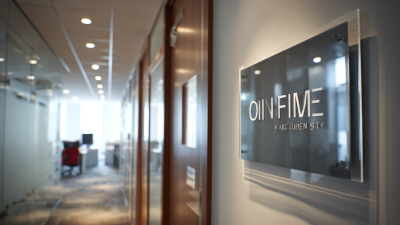
In the ever-evolving world of office signage, trends are crucial for businesses aiming to enhance their workspace. Renowned signage expert, Mark Reynolds, once stated, "Office signage should tell a story about your brand." This emphasizes the importance of effective communication through visual elements.
The landscape of office signage is shifting as companies embrace digital solutions and sustainability. Modern buyers need to understand how these trends can impact their environments. Think of bright digital displays that can easily convey messages or eco-friendly materials that promote sustainability. These are not just trends; they are reflections of a changing workplace.
However, not all businesses adapt seamlessly to these shifts. Budget constraints and outdated practices can stifle innovation. Companies often struggle to balance tradition with modernity. It’s essential to reflect on current signage practices and consider the future. Embracing new trends in office signage is not just about aesthetics; it's about creating a cohesive brand experience.
Emerging Technologies Influencing Office Signage in 2026
In 2026, office signage will reflect significant changes driven by emerging technologies. Digital signage will dominate, offering vibrant displays and dynamic content. With interactive screens, employees can engage directly with information. Touchless technology, like gesture recognition, will enhance user experience while minimizing contact.
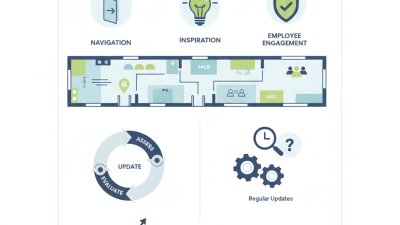
Augmented Reality (AR) will play a crucial role. Offices may incorporate AR-driven signs to provide real-time data. For example, employees could see office layouts or directions overlaid on their mobile devices. This fusion of physical and digital environments may revolutionize navigation in workplaces.
Sustainability will remain a core concern. While technology improves, the environmental impact can’t be ignored. Eco-friendly materials for signage will gain traction. Companies will need to reflect on their choices and adapt to new regulations. Balancing innovation and responsibility is essential for future signage solutions.
2026 Top Office Signage Trends for Global Buyers to Know
| Trend |
Description |
Impact on Office Design |
Technology Used |
| Digital Signage |
Utilizing LED screens for dynamic content display. |
Enhances engagement and facilitates real-time updates. |
Display Technology, Content Management Software |
| Wayfinding Solutions |
Interactive kiosks and mobile apps for navigation. |
Improves visitor experience and reduces confusion. |
GPS Technology, Mobile Apps |
| Sustainable Materials |
Use of eco-friendly materials for signage production. |
Contributes to corporate sustainability goals. |
Recycled Materials, Biodegradable Options |
| Augmented Reality (AR) |
Integration of AR for enhanced user interaction. |
Creates immersive experiences for employees and visitors. |
AR Technology, Smartphones |
| Personalization |
Custom signage solutions tailored to brand identity. |
Strengthens brand presence within the office space. |
Design Software, Print Technology |
Sustainable Materials and Eco-Friendly Practices in Signage Production
As we approach 2026, the demand for sustainable materials in office signage is growing. A recent report by the Global Signage Association reveals that over 70% of companies are prioritizing eco-friendly practices. This shift reflects broader environmental concerns. Buyers are looking for signs made from recycled materials or sustainably sourced wood. These materials have a smaller carbon footprint.
Another interesting trend is the use of biodegradable options. For example, signs made from cornstarch-based composites are gaining traction. These signs decompose naturally, offering a viable alternative to traditional plastics. Even though they are not widely available yet, awareness is increasing among buyers. Research shows that 60% of younger consumers prefer brands that use sustainable practices.
Investing in eco-friendly signage is not without challenges. Many manufacturers face supply chain issues. Finding reliable sources for sustainable materials can be tricky. Moreover, the cost of eco-friendly materials can be higher. Buyers need to weigh long-term savings against initial investments. A balance between budget and sustainability remains vital yet difficult for many. This is an ongoing conversation within the industry.
2026 Top Office Signage Trends for Global Buyers
Personalization and Customization: Meeting Diverse Buyer Needs
In the evolving world of office signage, personalization and customization are becoming paramount. A recent report indicates that nearly 70% of businesses want signage that reflects their unique brand identity. This is not just a trend; it’s a necessity. Custom signs can enhance workplace culture and improve employee engagement. Personal touches can make a significant difference in how a space is perceived.
However, implementing personalized signage presents challenges. Many organizations find it difficult to balance creativity with functionality. For instance, a vibrant, custom design may overshadow essential directional information. Research shows that clear signage improves navigation and reduces frustration by 30%. Suppliers face pressure to blend aesthetics with clarity while catering to diverse business needs.
Another aspect to consider is the growing demand for sustainable materials. Reports suggest that over 60% of buyers prefer eco-friendly options. This requires manufacturers to innovate continuously. They must source materials that align with buyer values, creating both beautiful and responsible signage. Balancing personalization with sustainability is an ongoing struggle for many in the industry, leading to reflective moments on how to innovate without compromising core values.
Digital Signage Innovations for Enhanced Workplace Communication
Digital signage is redefining workplace communication in 2026. Innovations in technology are making it easier to share information. These improvements enhance collaboration and streamline operations in offices worldwide.
Interactive screens are one of the notable trends. They allow employees to engage directly. Touchscreens can display schedules, announcements, or even feedback options. This fosters a lively environment, yet reliance on technology can lead to distractions.
What about content? It must be adaptable and relevant. Regular updates keep messages fresh. Employees can feel disconnected if information becomes stale. For effective communication, consider integrating real-time data feeds and social media updates. This deepens engagement but can also overwhelm if not managed well.
Encouraging teams to provide input on signage can lead to more tailored content. This promotes ownership and feeling valued, creating a better workplace atmosphere. However, it demands careful planning to avoid conflicting messages. Aim for clarity and coherence above all else.
Aesthetic Trends in Office Signage: Colors, Fonts, and Design Styles
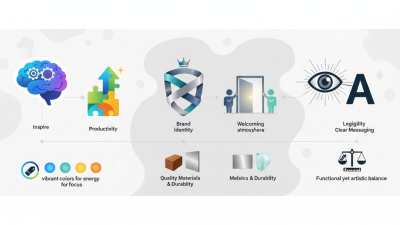
In 2026, office signage will emphasize aesthetics more than ever. Vibrant colors will dominate, with a reported 70% of companies opting for shades that enhance visibility and brand identity. Blue remains popular for its calming effect, while bold hues like orange are chosen for their energizing qualities. This shift towards colorful signage reflects a broader trend of creating welcoming workspaces.
Fonts are crucial for effective signage, especially in open office plans. A recent study indicates that sans-serif fonts, like Helvetica and Arial, account for 60% of corporate signage choices. These fonts offer clarity and modern appeal. However, companies should be cautious. Overusing decorative fonts can lead to poor readability. Striking the right balance between creativity and functionality is key.
Design styles are evolving, too. Minimalism continues to reign, with about 65% of businesses favoring clean lines and simplicity. Yet, many struggle. Combining minimalism with personality without cluttering the space is a challenge. Companies must reflect their culture without overwhelming the viewer. This tension between uniqueness and simplicity will be a focal point in the coming years.